


Your brand photos don’t match who you’ve become because you kept evolving and the images stayed frozen at the moment the shutter clicked.
A photograph holds one version of you, and every season of growth after that day widens the gap between the person in the frame and the person doing the work.
I call that gap the identity lag, and closing it is most of what my work as a photographer has become.
If you wince a little every time you send someone your website, you already know the feeling.
The photos are fine. And they are wrong anyway.
The photos froze. You didn’t.
I have spent twenty-five years behind a camera, first shooting campaigns for brands like Nike and Coca-Cola, and later building the visual identities of entrepreneurs and thought leaders.
And I know the identity lag from the inside, because I lived it before I ever named it.
For years my entire identity was the global commercial photographer, the guy ping-ponging between big sets around the world, and when social media disrupted the industry, the work dried up and I crashed with it.
Cue, my first dark night of the soul.
I remember crying my eyes out in the bathroom downstairs while a house party carried on above me, asking who I was without who I was shooting.
The years that followed rebuilt me from the inside, starting with an emotional intelligence training that cracked me open.
I started a podcast to channel the creative energy that suddenly had nowhere else to go, and without realizing it, I began an inner journey that would change everything about how I work.
The person had changed, and everything the world could see of me had stayed the same.
My images and my positioning still broadcast an identity I had already put down.
I was a different human introducing himself with an outdated photograph.
Then my friend Lewis Howes asked me to shoot his new website, and that session pulled me into personal-brand photography, where I eventually developed the style I now call Elevated Realism.
The clients who found me after that all carried some version of the same gap I had lived.
They had done the inner work. They had the depth and the reputation, and nothing left to prove.
And their photos showed a person from a few seasons ago.
That holds at every level of recognition, from founders you have never heard of to the most recognized names I have photographed.
The lag only cares about one thing: whether the outside stopped updating while the inside kept moving. Success doesn’t exempt you.
The identity lag, defined
The identity lag is the distance between who you are now and the version of you your images still broadcast.
Every photo is a time capsule.
It holds more than the haircut and the wardrobe. It holds the self-concept you carried that day, and self-concept photographs whether you want it to or not.
The confidence you had, or hadn’t grown into yet. It is all in the frame.
Then you kept going.
Maybe you wrote the book. Maybe you rebuilt the business, or finally found the voice that sounds like you.
The camera captured a person who no longer exists, and the internet keeps introducing that person as you.
That mismatch has a cost, because people feel your brand before they read a word of it.
Your images carry a signal that lands in the first half-second, something I call the Visual Frequency of Authority, and an outdated image transmits an outdated signal.
When the signal says a few seasons ago and your work says now, the audience feels the incoherence even if they could never articulate it.
Four signs the lag is real
1. You hesitate before sending your own link.
Small tell, huge signal.
Some part of you knows the site is about to introduce someone you used to be, so you add a disclaimer, or you apologize for the photos before anyone has said a thing.
2. People keep telling you that you’re different in person.
“You’re so much warmer than I expected” sounds like a compliment, and it is actually a diagnosis.
It means the in-person you and the photographed you are two different people, and everyone who meets you can feel the distance between them.
3. Your photos match a level you’ve already left.
They fit the offer you sold three years ago and the audience you had back then.
You’ve since raised the level of your work, and the images still dress you as the earlier version.
4. You keep meaning to reshoot and never book it.
Part of the delay is calendar.
The deeper part is doubt, because you suspect a new shoot in the same old style will just produce a newer photo of the same stranger.
That suspicion is correct, which brings us to the real problem.
The two traps that keep the gap open
Most people who feel the lag try to fix it with one of two moves.
The first move is going more polished. Studio lighting and heavier retouching, the power pose against the seamless backdrop.
Those images read as staged and a little untouchable, and staged creates distance, which is the opposite of what a brand image is for.
The second move is going more casual. Phone-candid and deliberately unproduced, the messy-desk kind of real.
Those images read as forgettable, and forgettable positions no one.
Both moves fail for the same reason: they answer a style question when the question is congruence.
The gap came from the images no longer matching the person, and no amount of polish, more or less, touches that.
So the fix has to be built around matching, and that is exactly what Elevated Realism is for.
Elevated Realism is the visual style I developed for this problem, and it fuses aspiration with authenticity so the image shows the real you at your next level instead of a stranger in good lighting.
It is real life shaped with intention. Composed enough to position you, human enough to connect.
The path I walk clients through
Closing the identity lag is a coherence practice, because coherence is the outer world finally matching the inner one.
You can start this path before you ever book a shoot.
First, name who you’ve become. Say the current version of yourself out loud in plain words, what you do now and the level you play at. If you can’t articulate the person, no photographer can photograph them.
Second, audit the gap. Open your own website the way a stranger would and ask one question: does this person match the one who showed up to my last client call? Write down every place the answer is no.
Third, shoot toward who you’re already becoming. The aspiration in a great brand image is honest, because it comes from clarity about who you are already becoming rather than a fantasy version that doesn’t exist. That is the elevated half.
Fourth, keep the human in the frame. Natural expression and lived-in moments, the small unguarded things that make a face read as a person. That is the half that lets people connect instead of just admire.
Fifth, make the new signal consistent. One updated image is a moment, and a consistent body of them is a brand, so the tone has to hold everywhere someone meets you before they meet you.
When those pieces land together, something settles.
You stop flinching at your own website. You send the link without the disclaimer.
The photos finally introduce the person who actually shows up, and that congruence does more for your authority than any credential, because people trust their own first impression when the image and the human agree.
I have watched that shift in clients for years, and I lived it myself.
The day your outside catches up with your inside, you stop performing your brand and start inhabiting it, and that is the point of the whole exercise.
FAQ
Why don’t my brand photos match who I am anymore?
Because a photograph freezes one version of you and you kept evolving after it was taken. Every photo holds the self-concept you carried that day, and every season of growth since then widens the distance between the person in the frame and the person doing the work. The mismatch means you grew. The fix is imagery that catches up to who you’ve become.
What is the identity lag in personal branding?
The identity lag is the distance between who you are now and the version of you your images still broadcast. It opens because identity moves faster than visuals, and it costs you because people feel your brand in the first half-second, before any credential reaches them. An outdated image transmits an outdated signal, and audiences sense the incoherence even when they can’t articulate it.
How do I know it’s time for new brand photos?
Four reliable signs: you hesitate before sending your own link, people keep saying you’re different in person, your images match a level you’ve already left, and you keep meaning to reshoot without ever booking it. Any one of them means the gap is open. The calendar matters less than the distance between you and the person in the frame.
Will a new photoshoot automatically fix photos that don’t feel like me?
Only if the shoot is built around who you’ve become. A reshoot in the same old style produces a newer photo of the same stranger, which is why so many people update their images and still feel the mismatch. The direction has to start from your current identity, which is why the shoots I direct treat the session as a brand decision and begin with who you are now.
Should my brand photos show who I am now or who I’m becoming?
Both at once, and that fusion is the heart of Elevated Realism. The aspirational half shows you at your next level, which stays honest when it comes from clarity about who you are already becoming. The human half keeps natural expression and lived-in moments in the frame, so people meet a real person they can connect with rather than a poster they can only admire.
How often should you update brand photos?
Update them when identity shifts, since the gap matters more than the calendar. A new level of work or a season of real inner change will each open a lag between you and your images. When you notice the signs, the wince at your own link or the “different in person” comments, the photos are due.
Three things to take with you:
- The lag is structural, so drop the shame about it. Photos freeze and identity keeps moving, and the gap only means you grew after the shutter clicked.
- Congruence closes the gap, and style alone can’t. More polish creates distance and more casual creates forgettability, so the fix is an image that finally matches the person, which is the entire job of Elevated Realism.
- Honest aspiration is clarity about who you are already becoming. Shoot toward that person, and keep the human visible in the frame so people connect instead of just admiring.
If your photos feel behind who you’ve become, that gap is worth closing on purpose. I send a weekly note on building coherence between who you are and how you’re seen, and you can join it below. If you want your next set of images directed to match the person you’ve become, that shoot is the work I do, and you can start the conversation here.


LET'S CONSPIRE & CREATE
CULTIVATING YOUR VISUAL UNIQUENESS AND STREAMLINING YOUR BRAND'S EVOLUTION

Your brand photos don’t match who you’ve become because you kept evolving and the images stayed frozen at the moment the shutter clicked.
A photograph holds one version of you, and every season of growth after that day widens the gap between the person in the frame and the person doing the work.
I call that gap the identity lag, and closing it is most of what my work as a photographer has become.
If you wince a little every time you send someone your website, you already know the feeling.
The photos are fine. And they are wrong anyway.
The photos froze. You didn’t.
I have spent twenty-five years behind a camera, first shooting campaigns for brands like Nike and Coca-Cola, and later building the visual identities of entrepreneurs and thought leaders.
And I know the identity lag from the inside, because I lived it before I ever named it.
For years my entire identity was the global commercial photographer, the guy ping-ponging between big sets around the world, and when social media disrupted the industry, the work dried up and I crashed with it.
Cue, my first dark night of the soul.
I remember crying my eyes out in the bathroom downstairs while a house party carried on above me, asking who I was without who I was shooting.
The years that followed rebuilt me from the inside, starting with an emotional intelligence training that cracked me open.
I started a podcast to channel the creative energy that suddenly had nowhere else to go, and without realizing it, I began an inner journey that would change everything about how I work.
The person had changed, and everything the world could see of me had stayed the same.
My images and my positioning still broadcast an identity I had already put down.
I was a different human introducing himself with an outdated photograph.
Then my friend Lewis Howes asked me to shoot his new website, and that session pulled me into personal-brand photography, where I eventually developed the style I now call Elevated Realism.
The clients who found me after that all carried some version of the same gap I had lived.
They had done the inner work. They had the depth and the reputation, and nothing left to prove.
And their photos showed a person from a few seasons ago.
That holds at every level of recognition, from founders you have never heard of to the most recognized names I have photographed.
The lag only cares about one thing: whether the outside stopped updating while the inside kept moving. Success doesn’t exempt you.
The identity lag, defined
The identity lag is the distance between who you are now and the version of you your images still broadcast.
Every photo is a time capsule.
It holds more than the haircut and the wardrobe. It holds the self-concept you carried that day, and self-concept photographs whether you want it to or not.
The confidence you had, or hadn’t grown into yet. It is all in the frame.
Then you kept going.
Maybe you wrote the book. Maybe you rebuilt the business, or finally found the voice that sounds like you.
The camera captured a person who no longer exists, and the internet keeps introducing that person as you.
That mismatch has a cost, because people feel your brand before they read a word of it.
Your images carry a signal that lands in the first half-second, something I call the Visual Frequency of Authority, and an outdated image transmits an outdated signal.
When the signal says a few seasons ago and your work says now, the audience feels the incoherence even if they could never articulate it.
Four signs the lag is real
1. You hesitate before sending your own link.
Small tell, huge signal.
Some part of you knows the site is about to introduce someone you used to be, so you add a disclaimer, or you apologize for the photos before anyone has said a thing.
2. People keep telling you that you’re different in person.
“You’re so much warmer than I expected” sounds like a compliment, and it is actually a diagnosis.
It means the in-person you and the photographed you are two different people, and everyone who meets you can feel the distance between them.
3. Your photos match a level you’ve already left.
They fit the offer you sold three years ago and the audience you had back then.
You’ve since raised the level of your work, and the images still dress you as the earlier version.
4. You keep meaning to reshoot and never book it.
Part of the delay is calendar.
The deeper part is doubt, because you suspect a new shoot in the same old style will just produce a newer photo of the same stranger.
That suspicion is correct, which brings us to the real problem.
The two traps that keep the gap open
Most people who feel the lag try to fix it with one of two moves.
The first move is going more polished. Studio lighting and heavier retouching, the power pose against the seamless backdrop.
Those images read as staged and a little untouchable, and staged creates distance, which is the opposite of what a brand image is for.
The second move is going more casual. Phone-candid and deliberately unproduced, the messy-desk kind of real.
Those images read as forgettable, and forgettable positions no one.
Both moves fail for the same reason: they answer a style question when the question is congruence.
The gap came from the images no longer matching the person, and no amount of polish, more or less, touches that.
So the fix has to be built around matching, and that is exactly what Elevated Realism is for.
Elevated Realism is the visual style I developed for this problem, and it fuses aspiration with authenticity so the image shows the real you at your next level instead of a stranger in good lighting.
It is real life shaped with intention. Composed enough to position you, human enough to connect.
The path I walk clients through
Closing the identity lag is a coherence practice, because coherence is the outer world finally matching the inner one.
You can start this path before you ever book a shoot.
First, name who you’ve become. Say the current version of yourself out loud in plain words, what you do now and the level you play at. If you can’t articulate the person, no photographer can photograph them.
Second, audit the gap. Open your own website the way a stranger would and ask one question: does this person match the one who showed up to my last client call? Write down every place the answer is no.
Third, shoot toward who you’re already becoming. The aspiration in a great brand image is honest, because it comes from clarity about who you are already becoming rather than a fantasy version that doesn’t exist. That is the elevated half.
Fourth, keep the human in the frame. Natural expression and lived-in moments, the small unguarded things that make a face read as a person. That is the half that lets people connect instead of just admire.
Fifth, make the new signal consistent. One updated image is a moment, and a consistent body of them is a brand, so the tone has to hold everywhere someone meets you before they meet you.
When those pieces land together, something settles.
You stop flinching at your own website. You send the link without the disclaimer.
The photos finally introduce the person who actually shows up, and that congruence does more for your authority than any credential, because people trust their own first impression when the image and the human agree.
I have watched that shift in clients for years, and I lived it myself.
The day your outside catches up with your inside, you stop performing your brand and start inhabiting it, and that is the point of the whole exercise.
FAQ
Why don’t my brand photos match who I am anymore?
Because a photograph freezes one version of you and you kept evolving after it was taken. Every photo holds the self-concept you carried that day, and every season of growth since then widens the distance between the person in the frame and the person doing the work. The mismatch means you grew. The fix is imagery that catches up to who you’ve become.
What is the identity lag in personal branding?
The identity lag is the distance between who you are now and the version of you your images still broadcast. It opens because identity moves faster than visuals, and it costs you because people feel your brand in the first half-second, before any credential reaches them. An outdated image transmits an outdated signal, and audiences sense the incoherence even when they can’t articulate it.
How do I know it’s time for new brand photos?
Four reliable signs: you hesitate before sending your own link, people keep saying you’re different in person, your images match a level you’ve already left, and you keep meaning to reshoot without ever booking it. Any one of them means the gap is open. The calendar matters less than the distance between you and the person in the frame.
Will a new photoshoot automatically fix photos that don’t feel like me?
Only if the shoot is built around who you’ve become. A reshoot in the same old style produces a newer photo of the same stranger, which is why so many people update their images and still feel the mismatch. The direction has to start from your current identity, which is why the shoots I direct treat the session as a brand decision and begin with who you are now.
Should my brand photos show who I am now or who I’m becoming?
Both at once, and that fusion is the heart of Elevated Realism. The aspirational half shows you at your next level, which stays honest when it comes from clarity about who you are already becoming. The human half keeps natural expression and lived-in moments in the frame, so people meet a real person they can connect with rather than a poster they can only admire.
How often should you update brand photos?
Update them when identity shifts, since the gap matters more than the calendar. A new level of work or a season of real inner change will each open a lag between you and your images. When you notice the signs, the wince at your own link or the “different in person” comments, the photos are due.
Three things to take with you:
- The lag is structural, so drop the shame about it. Photos freeze and identity keeps moving, and the gap only means you grew after the shutter clicked.
- Congruence closes the gap, and style alone can’t. More polish creates distance and more casual creates forgettability, so the fix is an image that finally matches the person, which is the entire job of Elevated Realism.
- Honest aspiration is clarity about who you are already becoming. Shoot toward that person, and keep the human visible in the frame so people connect instead of just admiring.
If your photos feel behind who you’ve become, that gap is worth closing on purpose. I send a weekly note on building coherence between who you are and how you’re seen, and you can join it below. If you want your next set of images directed to match the person you’ve become, that shoot is the work I do, and you can start the conversation here.
8/24/26
Why Your Brand Photos Don’t Match Who You’ve Become
infuse your vision with a fresh breath of creativity and vitality
BOOK A BRAND PHOTOSHOOT


GET THE DETAILS
GET THE DETAILS
infuse your vision with a fresh breath of creativity and vitality

PODCAST
BRAND INTELLIGENCE
CREATIVE INTELLIGENCE
LIFE INTELLIGENCE

masterfully aligning perception and reality through personal branding
masterfully aligning perception and reality through personal branding
Your brand photos don’t match who you’ve become because you kept evolving and the images stayed frozen at the moment the shutter clicked.
A photograph holds one version of you, and every season of growth after that day widens the gap between the person in the frame and the person doing the work.
I call that gap the identity lag, and closing it is most of what my work as a photographer has become.
If you wince a little every time you send someone your website, you already know the feeling.
The photos are fine. And they are wrong anyway.
The photos froze. You didn’t.
I have spent twenty-five years behind a camera, first shooting campaigns for brands like Nike and Coca-Cola, and later building the visual identities of entrepreneurs and thought leaders.
And I know the identity lag from the inside, because I lived it before I ever named it.
For years my entire identity was the global commercial photographer, the guy ping-ponging between big sets around the world, and when social media disrupted the industry, the work dried up and I crashed with it.
Cue, my first dark night of the soul.
I remember crying my eyes out in the bathroom downstairs while a house party carried on above me, asking who I was without who I was shooting.
The years that followed rebuilt me from the inside, starting with an emotional intelligence training that cracked me open.
I started a podcast to channel the creative energy that suddenly had nowhere else to go, and without realizing it, I began an inner journey that would change everything about how I work.
The person had changed, and everything the world could see of me had stayed the same.
My images and my positioning still broadcast an identity I had already put down.
I was a different human introducing himself with an outdated photograph.
Then my friend Lewis Howes asked me to shoot his new website, and that session pulled me into personal-brand photography, where I eventually developed the style I now call Elevated Realism.
The clients who found me after that all carried some version of the same gap I had lived.
They had done the inner work. They had the depth and the reputation, and nothing left to prove.
And their photos showed a person from a few seasons ago.
That holds at every level of recognition, from founders you have never heard of to the most recognized names I have photographed.
The lag only cares about one thing: whether the outside stopped updating while the inside kept moving. Success doesn’t exempt you.
The identity lag, defined
The identity lag is the distance between who you are now and the version of you your images still broadcast.
Every photo is a time capsule.
It holds more than the haircut and the wardrobe. It holds the self-concept you carried that day, and self-concept photographs whether you want it to or not.
The confidence you had, or hadn’t grown into yet. It is all in the frame.
Then you kept going.
Maybe you wrote the book. Maybe you rebuilt the business, or finally found the voice that sounds like you.
The camera captured a person who no longer exists, and the internet keeps introducing that person as you.
That mismatch has a cost, because people feel your brand before they read a word of it.
Your images carry a signal that lands in the first half-second, something I call the Visual Frequency of Authority, and an outdated image transmits an outdated signal.
When the signal says a few seasons ago and your work says now, the audience feels the incoherence even if they could never articulate it.
Four signs the lag is real
1. You hesitate before sending your own link.
Small tell, huge signal.
Some part of you knows the site is about to introduce someone you used to be, so you add a disclaimer, or you apologize for the photos before anyone has said a thing.
2. People keep telling you that you’re different in person.
“You’re so much warmer than I expected” sounds like a compliment, and it is actually a diagnosis.
It means the in-person you and the photographed you are two different people, and everyone who meets you can feel the distance between them.
3. Your photos match a level you’ve already left.
They fit the offer you sold three years ago and the audience you had back then.
You’ve since raised the level of your work, and the images still dress you as the earlier version.
4. You keep meaning to reshoot and never book it.
Part of the delay is calendar.
The deeper part is doubt, because you suspect a new shoot in the same old style will just produce a newer photo of the same stranger.
That suspicion is correct, which brings us to the real problem.
The two traps that keep the gap open
Most people who feel the lag try to fix it with one of two moves.
The first move is going more polished. Studio lighting and heavier retouching, the power pose against the seamless backdrop.
Those images read as staged and a little untouchable, and staged creates distance, which is the opposite of what a brand image is for.
The second move is going more casual. Phone-candid and deliberately unproduced, the messy-desk kind of real.
Those images read as forgettable, and forgettable positions no one.
Both moves fail for the same reason: they answer a style question when the question is congruence.
The gap came from the images no longer matching the person, and no amount of polish, more or less, touches that.
So the fix has to be built around matching, and that is exactly what Elevated Realism is for.
Elevated Realism is the visual style I developed for this problem, and it fuses aspiration with authenticity so the image shows the real you at your next level instead of a stranger in good lighting.
It is real life shaped with intention. Composed enough to position you, human enough to connect.
The path I walk clients through
Closing the identity lag is a coherence practice, because coherence is the outer world finally matching the inner one.
You can start this path before you ever book a shoot.
First, name who you’ve become. Say the current version of yourself out loud in plain words, what you do now and the level you play at. If you can’t articulate the person, no photographer can photograph them.
Second, audit the gap. Open your own website the way a stranger would and ask one question: does this person match the one who showed up to my last client call? Write down every place the answer is no.
Third, shoot toward who you’re already becoming. The aspiration in a great brand image is honest, because it comes from clarity about who you are already becoming rather than a fantasy version that doesn’t exist. That is the elevated half.
Fourth, keep the human in the frame. Natural expression and lived-in moments, the small unguarded things that make a face read as a person. That is the half that lets people connect instead of just admire.
Fifth, make the new signal consistent. One updated image is a moment, and a consistent body of them is a brand, so the tone has to hold everywhere someone meets you before they meet you.
When those pieces land together, something settles.
You stop flinching at your own website. You send the link without the disclaimer.
The photos finally introduce the person who actually shows up, and that congruence does more for your authority than any credential, because people trust their own first impression when the image and the human agree.
I have watched that shift in clients for years, and I lived it myself.
The day your outside catches up with your inside, you stop performing your brand and start inhabiting it, and that is the point of the whole exercise.
FAQ
Why don’t my brand photos match who I am anymore?
Because a photograph freezes one version of you and you kept evolving after it was taken. Every photo holds the self-concept you carried that day, and every season of growth since then widens the distance between the person in the frame and the person doing the work. The mismatch means you grew. The fix is imagery that catches up to who you’ve become.
What is the identity lag in personal branding?
The identity lag is the distance between who you are now and the version of you your images still broadcast. It opens because identity moves faster than visuals, and it costs you because people feel your brand in the first half-second, before any credential reaches them. An outdated image transmits an outdated signal, and audiences sense the incoherence even when they can’t articulate it.
How do I know it’s time for new brand photos?
Four reliable signs: you hesitate before sending your own link, people keep saying you’re different in person, your images match a level you’ve already left, and you keep meaning to reshoot without ever booking it. Any one of them means the gap is open. The calendar matters less than the distance between you and the person in the frame.
Will a new photoshoot automatically fix photos that don’t feel like me?
Only if the shoot is built around who you’ve become. A reshoot in the same old style produces a newer photo of the same stranger, which is why so many people update their images and still feel the mismatch. The direction has to start from your current identity, which is why the shoots I direct treat the session as a brand decision and begin with who you are now.
Should my brand photos show who I am now or who I’m becoming?
Both at once, and that fusion is the heart of Elevated Realism. The aspirational half shows you at your next level, which stays honest when it comes from clarity about who you are already becoming. The human half keeps natural expression and lived-in moments in the frame, so people meet a real person they can connect with rather than a poster they can only admire.
How often should you update brand photos?
Update them when identity shifts, since the gap matters more than the calendar. A new level of work or a season of real inner change will each open a lag between you and your images. When you notice the signs, the wince at your own link or the “different in person” comments, the photos are due.
Three things to take with you:
- The lag is structural, so drop the shame about it. Photos freeze and identity keeps moving, and the gap only means you grew after the shutter clicked.
- Congruence closes the gap, and style alone can’t. More polish creates distance and more casual creates forgettability, so the fix is an image that finally matches the person, which is the entire job of Elevated Realism.
- Honest aspiration is clarity about who you are already becoming. Shoot toward that person, and keep the human visible in the frame so people connect instead of just admiring.
If your photos feel behind who you’ve become, that gap is worth closing on purpose. I send a weekly note on building coherence between who you are and how you’re seen, and you can join it below. If you want your next set of images directed to match the person you’ve become, that shoot is the work I do, and you can start the conversation here.
8/24/26
Why Your Brand Photos Don’t Match Who You’ve Become
When you need a trusted creative partner in the room.
Take the Fit Check
Be seen at the level you’re stepping into.

Hey! I'm Nick.
PHOTOGRAPHER
BRAND ALCHEMIST
TEACHER
At vero eos et accusamus et iusto odio dignissimos ducimus qui blanditiis praesentium voluptatum deleniti atque corrupti quos dolores et quas molestias excepturi sint occaecati cupiditate non provident, similique sunt in culpa qui officia deserunt mollitia.
Build authority from the inside out.
Emanate is a creative-direction-led photography experience for entrepreneurs, speakers, and thought leaders in a moment of expansion. This isn’t about better photos. It’s about aligning how you’re seen with who you’ve become. For seasons of rebrand, visibility, and next-level leadership.

Magnetic Authority is a self-guided container for people who feel visible, but not fully anchored.
If your message keeps shifting, your brand feels inconsistent, or your presence doesn’t match your capability yet. This is where you build the foundation before you scale.
Take the Fit Check
Start Here
For founders, creatives, and leaders who want a trusted long-term partner. This isn’t coaching or traditional consulting.
It’s an ongoing creative partnership focused on bringing your personal brand identity to life.
Your brand. Your website. Your visuals.
All shaped as a direct extension of who you are. The work also includes a bespoke process of identifying and aligning the right experts when needed, so nothing gets built out of sync with your core.
Explore the Partnership

Quiet. Precise. Highly Selective.
NEXT post
PREVIOUS post
read the latest
Brand guidelines are static rules for the surface. A Brand Brain is a living codification of identity a team or an AI can generate from. The difference, defined.
We trained six styles of kung fu in one month. Sampling that widely taught me how a creative actually finds the practice worth years: breadth first, the pull as data, then depth.
Travel makes you more creative because unfamiliar places wake up your perception. Why the effect works, and how to bring the sharpened eye home with you.
Your brand photos lag behind you because you kept evolving and the images stayed frozen. Why the gap opens, how to spot it, and what closes it.
The kung fu school had rules: locked-in weekdays, dawn starts, push-ups for lateness. A month inside taught me that constraints you choose are what make depth possible.
A daily creative practice is making one real thing every day, however small, to stay in a proactive state. A working definition, and how to build one that lasts.

AI describes your brand by averaging your public record. How to codify one identity, repeat it everywhere, and get the machines to echo you back accurately.

I’ve photographed Justin Bieber several times and seen fame up close. His stripped-down Coachella set showed the thing I keep relearning about creative work: production amplifies, and only artistry carries.

You recover from creative burnout by treating it as a nervous system state: build real down-cycles, read your own signals, and return to the work you love.
A magnetic personal brand comes from coherence and one clear through-line. Here is how entrepreneurs build one, in order, and the trap that keeps most brands scattered.
I spent a month training kung fu in Wudang at 47, the oldest and slowest learner in the room. What being a beginner again in midlife taught me about pace, comparison, and starting anyway.
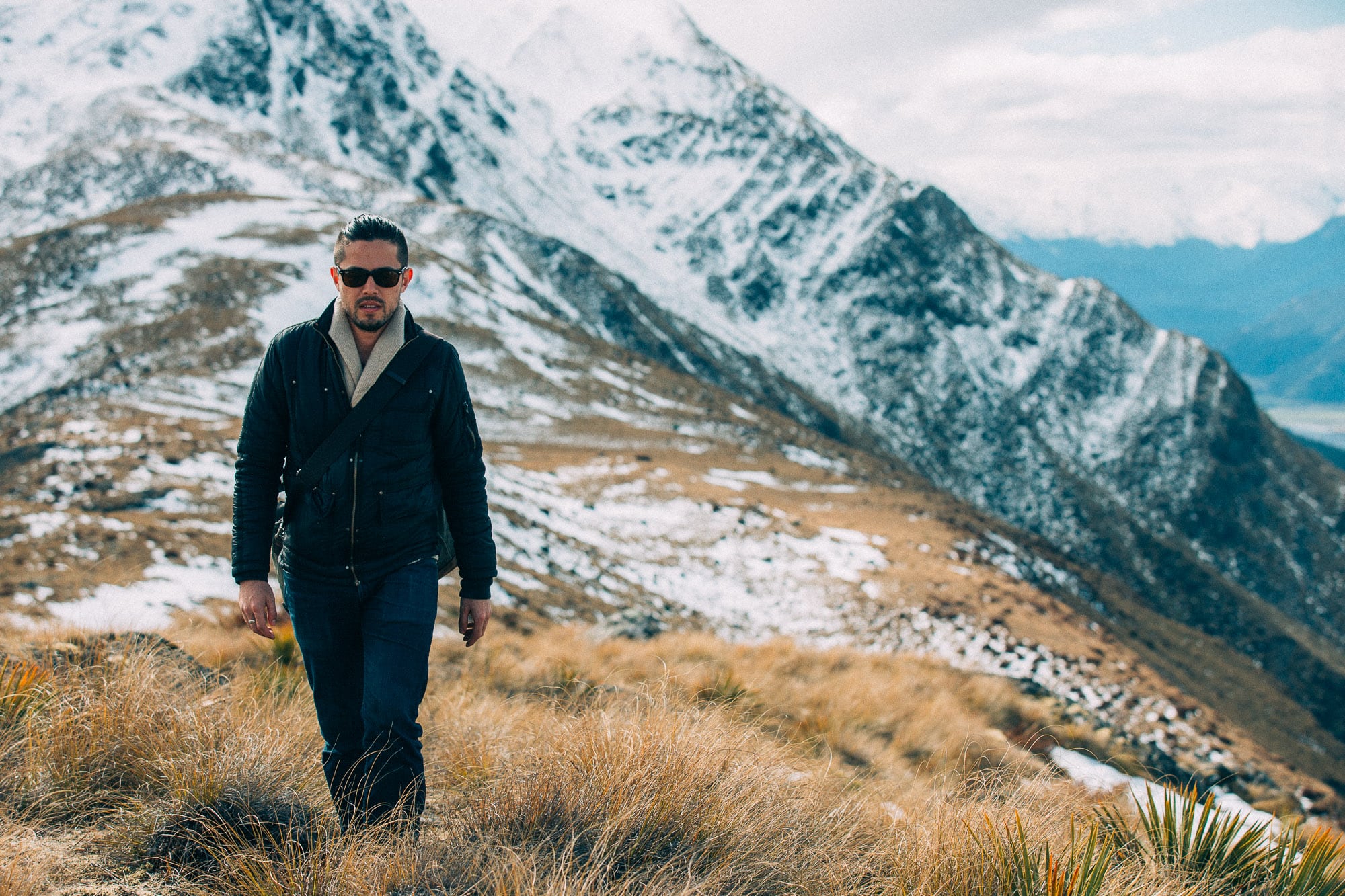
You develop taste through thousands of reps of looking closely and deciding what works. A photographer’s honest answer on how taste gets built.
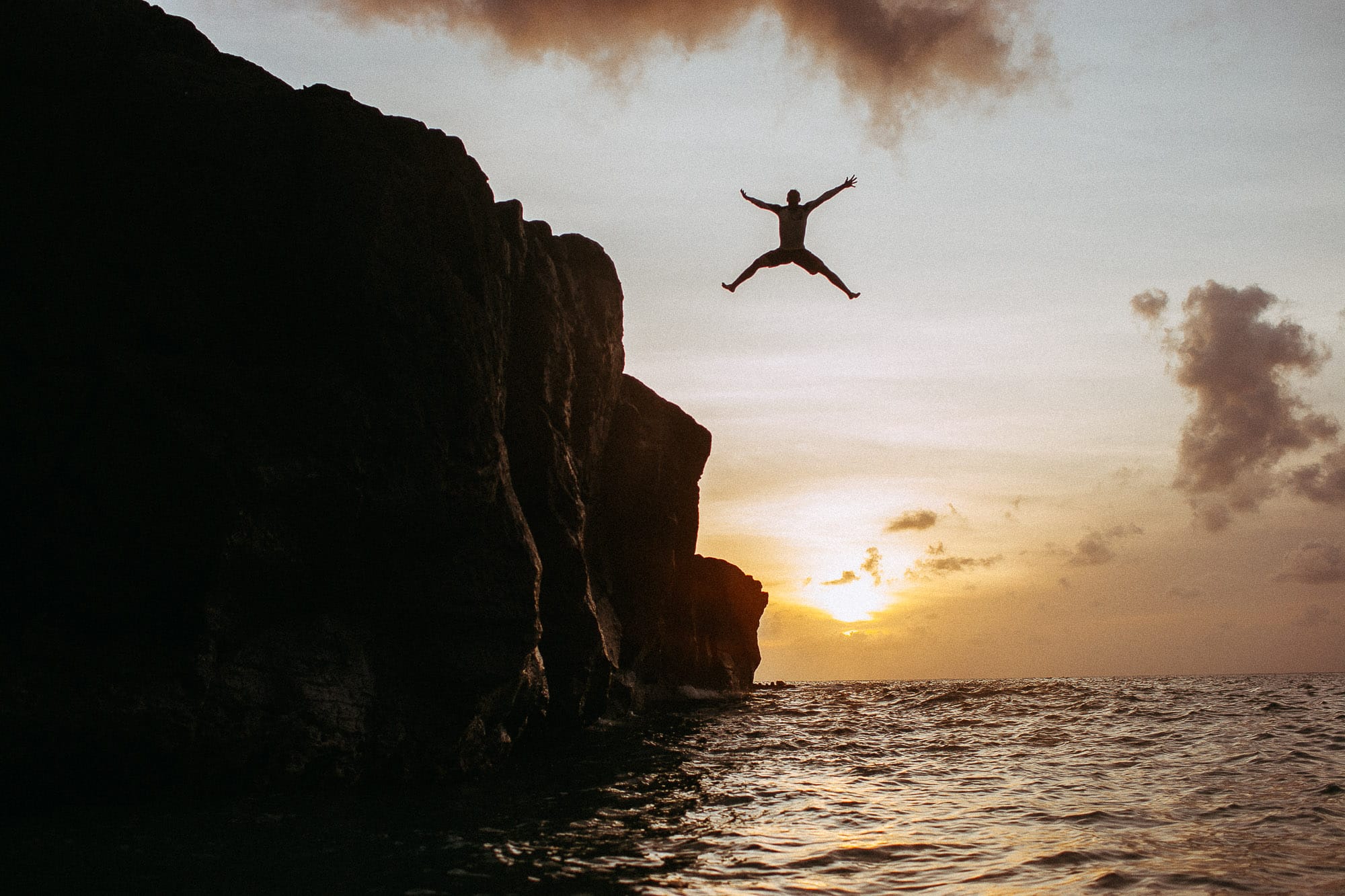
You make a personal brand more coherent by naming the identity underneath it, distilling a one or two word through-line, and bringing the four layers into agreement. The full path, in order.

About the Blogger
I was born in a low middle class conservative religious family in the suburbs of Seattle. Art was and always has been my passion, and more than that a way of life. Starting as a graphic designer, I taught myself photography, built a commercial/editorial business shooting for the worlds biggest brands like Nike, Coca-Cola, Adidas and more. I've also had the opportunity to photograph the world's biggest celebrities like Justin Bieber, Usher, Jessica Alba and more. I've curated a lifestyle around creativity and have learned a lot along the way which I get to share here.
I was born in a low middle class conservative religious family in the suburbs of Seattle. Art was and always has been my passion, and more than that a way of life. Starting as a graphic designer, I taught myself photography, built a commercial/editorial business shooting for the worlds biggest brands like Nike, Coca-Cola, Adidas and more. I've also had the opportunity to photograph the world's biggest celebrities like Justin Bieber, Usher, Jessica Alba and more. I've curated a lifestyle around creativity and have learned a lot along the way which I get to share here.
