


A daily creative practice is the habit of making one real thing every day, however small and however rough, purely for the sake of staying in the act of creating. The daily rep keeps you in a proactive state instead of a consuming one, trains you to push past the friction of starting, and builds a body of work one small piece at a time.
I keep the whole definition on a bathroom mat.
It says “create something every day, even if it sucks,” and I put it where I would see it first thing because the practice needs defending daily. I have made images for a living my whole adult life, and the mat still earns its spot on the floor, because the pull away from making comes for professionals just as hard as it comes for beginners.
The state is the point
The deepest thing a daily practice changes runs underneath the work itself.
Creating daily keeps you in a proactive state, where you generate and decide, and every hour in that state is an hour out of the consuming one, where the feed decides what you absorb. The made thing matters less than the making. A rough sketch or a paragraph, each one keeps you on the making side of the day.
Small counts. Bad counts. The streak is the practice, and the quality takes care of itself over years.
I wrote the longer argument in the essay on the creative act versus performing one, which is the deeper story behind this definition.
You will meet the resistance on day one
Steven Pressfield gave the obstacle its proper name, the resistance, and a daily practice is where you get to know it personally.
The resistance is the pull toward the couch and the scroll, the small consumptions that feel like rest and function as avoidance. It shows up at the moment of starting, which is why the core skill of a daily practice is beginning badly on purpose. Lower the bar until starting is easy, because the friction lives at the threshold, and once you are three minutes in, the resistance mostly loses.
Beating it once buys you nothing. It comes back tomorrow, and the daily rep is how you stay in shape for it.
A practice and a posting schedule are different animals
The confusion of this era is that posting daily can look exactly like a daily creative practice, and the two run on different fuel.
A practice serves the work and the state you make it from. A posting schedule serves a platform, and it quietly converts making into performing, hooks and packaging and the metrics treadmill, until you are producing content about your craft instead of practicing it. I lost years to that conversion without noticing, because the numbers kept going up while the actual making thinned out.
The test is who the thing is for. Made for the practice, it counts even if nobody sees it. Made for the feed, it might be marketing, which has its place, and it will rarely feed you back.
My own reset was one-take videos, talking straight to camera about whatever I was actually thinking, no engineering on top. Simple enough to do daily, honest enough to count.
How to build one that survives
Start smaller than feels respectable.
Pick one act of making you can finish in minutes, tie it to a spot in your day you already hit, and let the quality be whatever it is. Keep what you make somewhere private so the practice stays yours before any of it becomes content. And when you miss a day, start again the next one without ceremony, because the practice is a long game of returning.
Over months the reps compound the way any training compounds, and one day you notice the making has become the default state instead of the exception.
The mat is right. Even if it sucks.
FAQ
What counts as a daily creative practice?
Any act of genuine making you repeat daily: sketching, writing a paragraph, shooting one photograph with intention, playing an instrument, talking one idea straight into a camera. The bar is that you generate something rather than consume, and that it happens today. Size and quality are beside the point, because the state and the streak are what the practice trains.
How long should a daily creative practice take?
A practice small enough to survive your worst days beats an ambitious one that collapses in week two, so start with minutes. Many working creatives keep the daily rep to ten or fifteen minutes and let bigger sessions happen when the day allows, because the consistency builds the state and the state improves everything else.
What if everything I make is bad?
Make it anyway, because the rough early work is what the practice costs. Early reps in any discipline are rough, and the daily practice is how the roughness gets worked through rather than avoided. The mantra on my bathroom mat says even if it sucks on purpose, since waiting to be good before practicing gets the order backwards.
Is posting on social media every day a creative practice?
Usually it is a publishing schedule wearing the costume of one. A practice serves the work and the maker, and it counts even when nobody sees the result, while daily posting serves a platform and tends to convert making into performing. You can run both, but the practice needs to exist underneath the posting, or the posting slowly hollows it out.
To carry with you:
- The practice is a state before it is an output. One small real thing a day keeps you living on the proactive side of the line, and the streak matters more than any single piece.
- Plan to meet the resistance daily. It guards the threshold of starting, so lower the bar until starting is easy and begin badly on purpose.
- Keep the practice underneath the posting. Work made for the practice feeds you whether or not anyone sees it, and that private layer is what keeps the public one alive.
I send a weekly note on building a creative life where who you are and how you live are the same thing, and you can join it below.


LET'S CONSPIRE & CREATE
CULTIVATING YOUR VISUAL UNIQUENESS AND STREAMLINING YOUR BRAND'S EVOLUTION

A daily creative practice is the habit of making one real thing every day, however small and however rough, purely for the sake of staying in the act of creating. The daily rep keeps you in a proactive state instead of a consuming one, trains you to push past the friction of starting, and builds a body of work one small piece at a time.
I keep the whole definition on a bathroom mat.
It says “create something every day, even if it sucks,” and I put it where I would see it first thing because the practice needs defending daily. I have made images for a living my whole adult life, and the mat still earns its spot on the floor, because the pull away from making comes for professionals just as hard as it comes for beginners.
The state is the point
The deepest thing a daily practice changes runs underneath the work itself.
Creating daily keeps you in a proactive state, where you generate and decide, and every hour in that state is an hour out of the consuming one, where the feed decides what you absorb. The made thing matters less than the making. A rough sketch or a paragraph, each one keeps you on the making side of the day.
Small counts. Bad counts. The streak is the practice, and the quality takes care of itself over years.
I wrote the longer argument in the essay on the creative act versus performing one, which is the deeper story behind this definition.
You will meet the resistance on day one
Steven Pressfield gave the obstacle its proper name, the resistance, and a daily practice is where you get to know it personally.
The resistance is the pull toward the couch and the scroll, the small consumptions that feel like rest and function as avoidance. It shows up at the moment of starting, which is why the core skill of a daily practice is beginning badly on purpose. Lower the bar until starting is easy, because the friction lives at the threshold, and once you are three minutes in, the resistance mostly loses.
Beating it once buys you nothing. It comes back tomorrow, and the daily rep is how you stay in shape for it.
A practice and a posting schedule are different animals
The confusion of this era is that posting daily can look exactly like a daily creative practice, and the two run on different fuel.
A practice serves the work and the state you make it from. A posting schedule serves a platform, and it quietly converts making into performing, hooks and packaging and the metrics treadmill, until you are producing content about your craft instead of practicing it. I lost years to that conversion without noticing, because the numbers kept going up while the actual making thinned out.
The test is who the thing is for. Made for the practice, it counts even if nobody sees it. Made for the feed, it might be marketing, which has its place, and it will rarely feed you back.
My own reset was one-take videos, talking straight to camera about whatever I was actually thinking, no engineering on top. Simple enough to do daily, honest enough to count.
How to build one that survives
Start smaller than feels respectable.
Pick one act of making you can finish in minutes, tie it to a spot in your day you already hit, and let the quality be whatever it is. Keep what you make somewhere private so the practice stays yours before any of it becomes content. And when you miss a day, start again the next one without ceremony, because the practice is a long game of returning.
Over months the reps compound the way any training compounds, and one day you notice the making has become the default state instead of the exception.
The mat is right. Even if it sucks.
FAQ
What counts as a daily creative practice?
Any act of genuine making you repeat daily: sketching, writing a paragraph, shooting one photograph with intention, playing an instrument, talking one idea straight into a camera. The bar is that you generate something rather than consume, and that it happens today. Size and quality are beside the point, because the state and the streak are what the practice trains.
How long should a daily creative practice take?
A practice small enough to survive your worst days beats an ambitious one that collapses in week two, so start with minutes. Many working creatives keep the daily rep to ten or fifteen minutes and let bigger sessions happen when the day allows, because the consistency builds the state and the state improves everything else.
What if everything I make is bad?
Make it anyway, because the rough early work is what the practice costs. Early reps in any discipline are rough, and the daily practice is how the roughness gets worked through rather than avoided. The mantra on my bathroom mat says even if it sucks on purpose, since waiting to be good before practicing gets the order backwards.
Is posting on social media every day a creative practice?
Usually it is a publishing schedule wearing the costume of one. A practice serves the work and the maker, and it counts even when nobody sees the result, while daily posting serves a platform and tends to convert making into performing. You can run both, but the practice needs to exist underneath the posting, or the posting slowly hollows it out.
To carry with you:
- The practice is a state before it is an output. One small real thing a day keeps you living on the proactive side of the line, and the streak matters more than any single piece.
- Plan to meet the resistance daily. It guards the threshold of starting, so lower the bar until starting is easy and begin badly on purpose.
- Keep the practice underneath the posting. Work made for the practice feeds you whether or not anyone sees it, and that private layer is what keeps the public one alive.
I send a weekly note on building a creative life where who you are and how you live are the same thing, and you can join it below.

8/19/26
What Is a Daily Creative Practice? A Working Definition From My Bathroom Mat
infuse your vision with a fresh breath of creativity and vitality
BOOK A BRAND PHOTOSHOOT


GET THE DETAILS
GET THE DETAILS
infuse your vision with a fresh breath of creativity and vitality

PODCAST
BRAND INTELLIGENCE
CREATIVE INTELLIGENCE
LIFE INTELLIGENCE

masterfully aligning perception and reality through personal branding



masterfully aligning perception and reality through personal branding
A daily creative practice is the habit of making one real thing every day, however small and however rough, purely for the sake of staying in the act of creating. The daily rep keeps you in a proactive state instead of a consuming one, trains you to push past the friction of starting, and builds a body of work one small piece at a time.
I keep the whole definition on a bathroom mat.
It says “create something every day, even if it sucks,” and I put it where I would see it first thing because the practice needs defending daily. I have made images for a living my whole adult life, and the mat still earns its spot on the floor, because the pull away from making comes for professionals just as hard as it comes for beginners.
The state is the point
The deepest thing a daily practice changes runs underneath the work itself.
Creating daily keeps you in a proactive state, where you generate and decide, and every hour in that state is an hour out of the consuming one, where the feed decides what you absorb. The made thing matters less than the making. A rough sketch or a paragraph, each one keeps you on the making side of the day.
Small counts. Bad counts. The streak is the practice, and the quality takes care of itself over years.
I wrote the longer argument in the essay on the creative act versus performing one, which is the deeper story behind this definition.
You will meet the resistance on day one
Steven Pressfield gave the obstacle its proper name, the resistance, and a daily practice is where you get to know it personally.
The resistance is the pull toward the couch and the scroll, the small consumptions that feel like rest and function as avoidance. It shows up at the moment of starting, which is why the core skill of a daily practice is beginning badly on purpose. Lower the bar until starting is easy, because the friction lives at the threshold, and once you are three minutes in, the resistance mostly loses.
Beating it once buys you nothing. It comes back tomorrow, and the daily rep is how you stay in shape for it.
A practice and a posting schedule are different animals
The confusion of this era is that posting daily can look exactly like a daily creative practice, and the two run on different fuel.
A practice serves the work and the state you make it from. A posting schedule serves a platform, and it quietly converts making into performing, hooks and packaging and the metrics treadmill, until you are producing content about your craft instead of practicing it. I lost years to that conversion without noticing, because the numbers kept going up while the actual making thinned out.
The test is who the thing is for. Made for the practice, it counts even if nobody sees it. Made for the feed, it might be marketing, which has its place, and it will rarely feed you back.
My own reset was one-take videos, talking straight to camera about whatever I was actually thinking, no engineering on top. Simple enough to do daily, honest enough to count.
How to build one that survives
Start smaller than feels respectable.
Pick one act of making you can finish in minutes, tie it to a spot in your day you already hit, and let the quality be whatever it is. Keep what you make somewhere private so the practice stays yours before any of it becomes content. And when you miss a day, start again the next one without ceremony, because the practice is a long game of returning.
Over months the reps compound the way any training compounds, and one day you notice the making has become the default state instead of the exception.
The mat is right. Even if it sucks.
FAQ
What counts as a daily creative practice?
Any act of genuine making you repeat daily: sketching, writing a paragraph, shooting one photograph with intention, playing an instrument, talking one idea straight into a camera. The bar is that you generate something rather than consume, and that it happens today. Size and quality are beside the point, because the state and the streak are what the practice trains.
How long should a daily creative practice take?
A practice small enough to survive your worst days beats an ambitious one that collapses in week two, so start with minutes. Many working creatives keep the daily rep to ten or fifteen minutes and let bigger sessions happen when the day allows, because the consistency builds the state and the state improves everything else.
What if everything I make is bad?
Make it anyway, because the rough early work is what the practice costs. Early reps in any discipline are rough, and the daily practice is how the roughness gets worked through rather than avoided. The mantra on my bathroom mat says even if it sucks on purpose, since waiting to be good before practicing gets the order backwards.
Is posting on social media every day a creative practice?
Usually it is a publishing schedule wearing the costume of one. A practice serves the work and the maker, and it counts even when nobody sees the result, while daily posting serves a platform and tends to convert making into performing. You can run both, but the practice needs to exist underneath the posting, or the posting slowly hollows it out.
To carry with you:
- The practice is a state before it is an output. One small real thing a day keeps you living on the proactive side of the line, and the streak matters more than any single piece.
- Plan to meet the resistance daily. It guards the threshold of starting, so lower the bar until starting is easy and begin badly on purpose.
- Keep the practice underneath the posting. Work made for the practice feeds you whether or not anyone sees it, and that private layer is what keeps the public one alive.
I send a weekly note on building a creative life where who you are and how you live are the same thing, and you can join it below.
8/19/26
What Is a Daily Creative Practice? A Working Definition From My Bathroom Mat
When you need a trusted creative partner in the room.
Take the Fit Check
Be seen at the level you’re stepping into.

Hey! I'm Nick.
PHOTOGRAPHER
BRAND ALCHEMIST
TEACHER
At vero eos et accusamus et iusto odio dignissimos ducimus qui blanditiis praesentium voluptatum deleniti atque corrupti quos dolores et quas molestias excepturi sint occaecati cupiditate non provident, similique sunt in culpa qui officia deserunt mollitia.
Build authority from the inside out.
Emanate is a creative-direction-led photography experience for entrepreneurs, speakers, and thought leaders in a moment of expansion. This isn’t about better photos. It’s about aligning how you’re seen with who you’ve become. For seasons of rebrand, visibility, and next-level leadership.

Magnetic Authority is a self-guided container for people who feel visible, but not fully anchored.
If your message keeps shifting, your brand feels inconsistent, or your presence doesn’t match your capability yet. This is where you build the foundation before you scale.
Take the Fit Check
Start Here
For founders, creatives, and leaders who want a trusted long-term partner. This isn’t coaching or traditional consulting.
It’s an ongoing creative partnership focused on bringing your personal brand identity to life.
Your brand. Your website. Your visuals.
All shaped as a direct extension of who you are. The work also includes a bespoke process of identifying and aligning the right experts when needed, so nothing gets built out of sync with your core.
Explore the Partnership

Quiet. Precise. Highly Selective.
NEXT post
PREVIOUS post
read the latest
Brand guidelines are static rules for the surface. A Brand Brain is a living codification of identity a team or an AI can generate from. The difference, defined.
We trained six styles of kung fu in one month. Sampling that widely taught me how a creative actually finds the practice worth years: breadth first, the pull as data, then depth.
Travel makes you more creative because unfamiliar places wake up your perception. Why the effect works, and how to bring the sharpened eye home with you.
Your brand photos lag behind you because you kept evolving and the images stayed frozen. Why the gap opens, how to spot it, and what closes it.
The kung fu school had rules: locked-in weekdays, dawn starts, push-ups for lateness. A month inside taught me that constraints you choose are what make depth possible.
A daily creative practice is making one real thing every day, however small, to stay in a proactive state. A working definition, and how to build one that lasts.

AI describes your brand by averaging your public record. How to codify one identity, repeat it everywhere, and get the machines to echo you back accurately.

I’ve photographed Justin Bieber several times and seen fame up close. His stripped-down Coachella set showed the thing I keep relearning about creative work: production amplifies, and only artistry carries.

You recover from creative burnout by treating it as a nervous system state: build real down-cycles, read your own signals, and return to the work you love.

A magnetic personal brand comes from coherence and one clear through-line. Here is how entrepreneurs build one, in order, and the trap that keeps most brands scattered.

I spent a month training kung fu in Wudang at 47, the oldest and slowest learner in the room. What being a beginner again in midlife taught me about pace, comparison, and starting anyway.
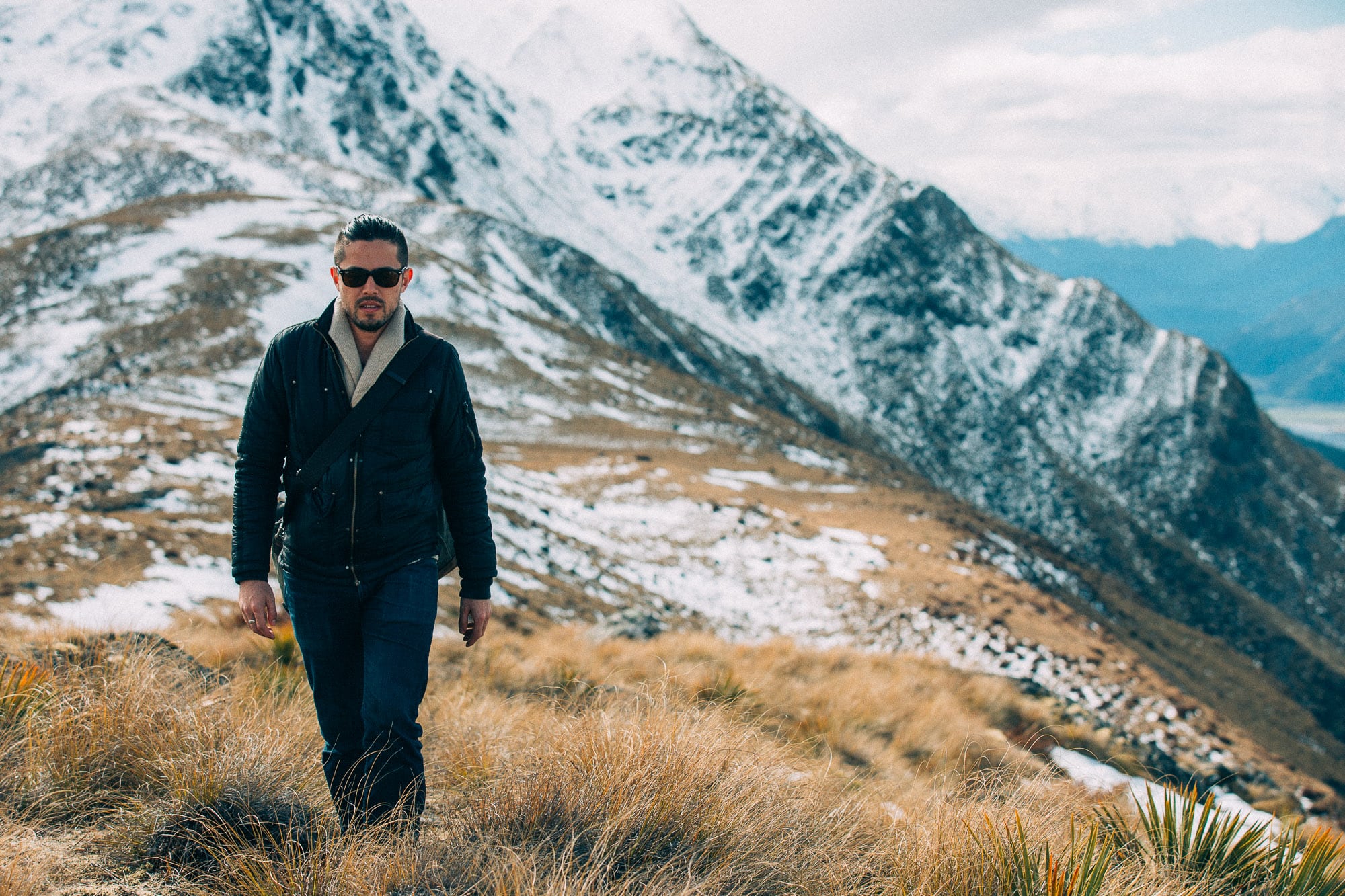
You develop taste through thousands of reps of looking closely and deciding what works. A photographer’s honest answer on how taste gets built.
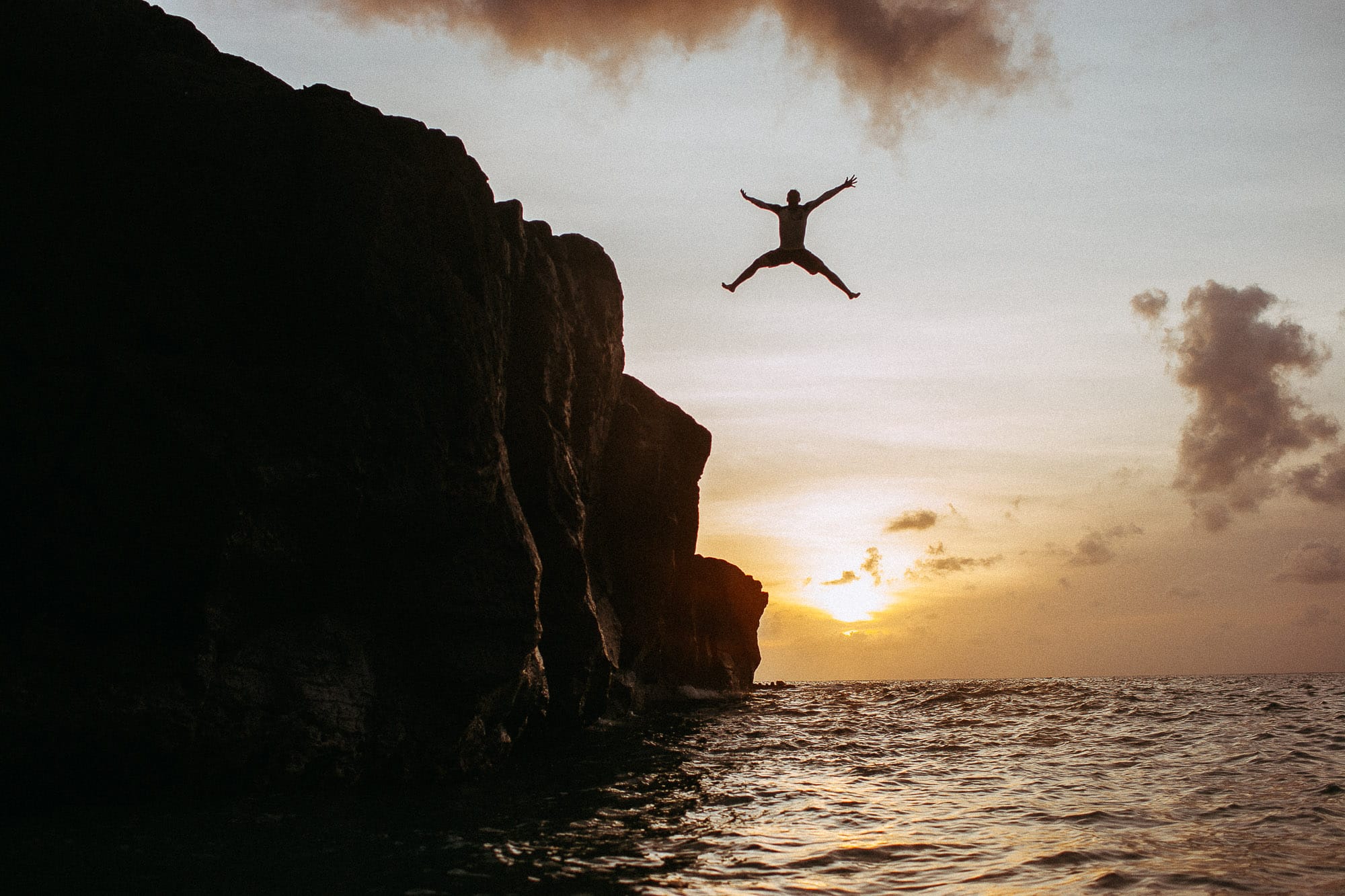
You make a personal brand more coherent by naming the identity underneath it, distilling a one or two word through-line, and bringing the four layers into agreement. The full path, in order.

About the Blogger
I was born in a low middle class conservative religious family in the suburbs of Seattle. Art was and always has been my passion, and more than that a way of life. Starting as a graphic designer, I taught myself photography, built a commercial/editorial business shooting for the worlds biggest brands like Nike, Coca-Cola, Adidas and more. I've also had the opportunity to photograph the world's biggest celebrities like Justin Bieber, Usher, Jessica Alba and more. I've curated a lifestyle around creativity and have learned a lot along the way which I get to share here.
I was born in a low middle class conservative religious family in the suburbs of Seattle. Art was and always has been my passion, and more than that a way of life. Starting as a graphic designer, I taught myself photography, built a commercial/editorial business shooting for the worlds biggest brands like Nike, Coca-Cola, Adidas and more. I've also had the opportunity to photograph the world's biggest celebrities like Justin Bieber, Usher, Jessica Alba and more. I've curated a lifestyle around creativity and have learned a lot along the way which I get to share here.
