


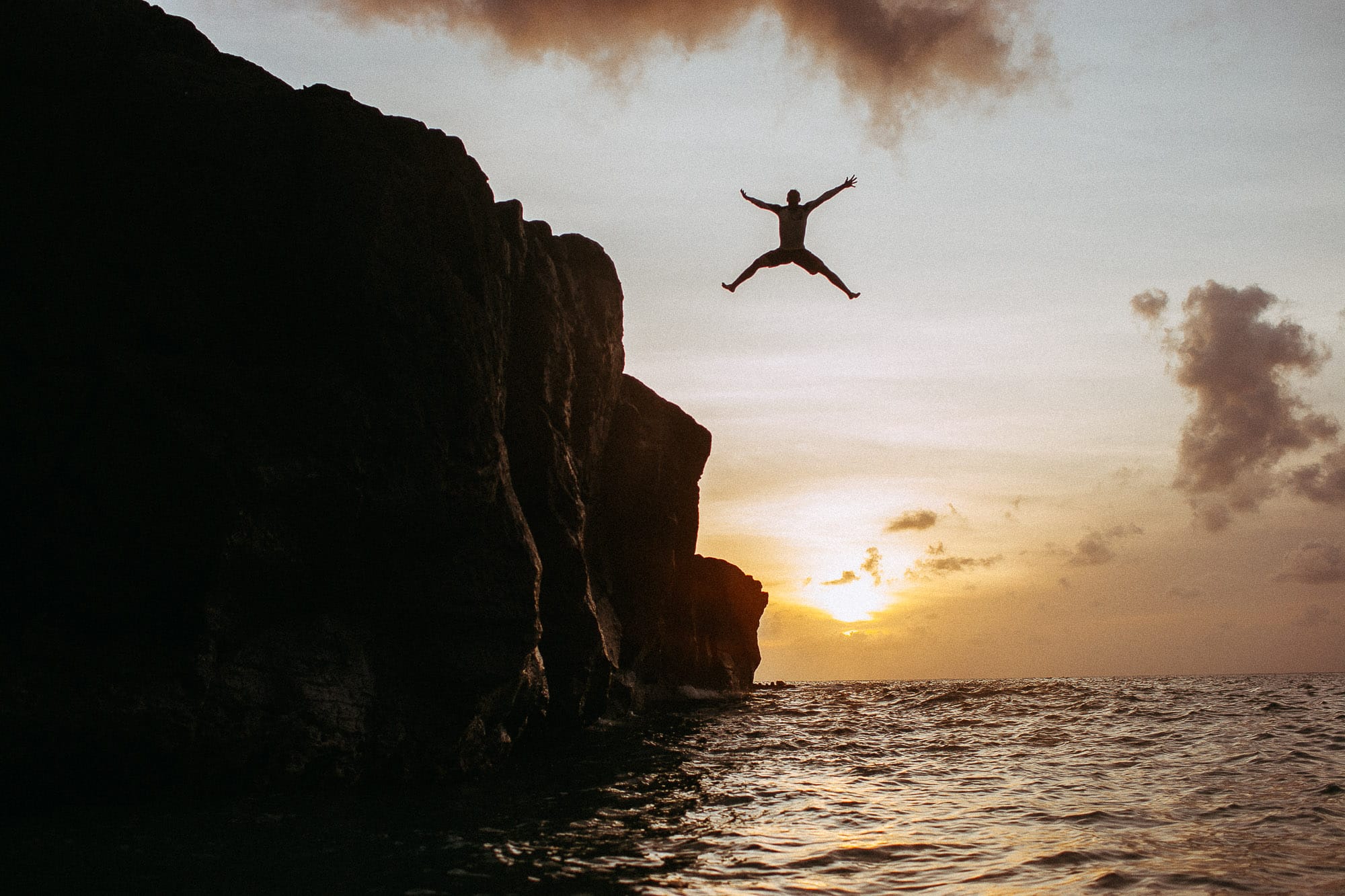
Travel makes you more creative because unfamiliar places switch your perception back on. At home, your brain runs the familiar streets on autopilot and your eye goes half asleep, while in a new place nothing is automatic yet, so you notice light, faces, rhythm, and detail at full strength. That recalibrated seeing comes home with you, and it upgrades everything you make next.
I have tested this answer for twenty-five years with a camera in my hand.
The shooting life took me almost everywhere, for brands and for people, and the pattern held the entire time. The work made right after time in an unfamiliar place carried something extra, and long stretches of staying put slowly flattened it back out. Eventually I stopped treating travel as the break between projects and started treating it as the input the projects run on, which is the argument of the longer essay on travel as creative input.
The first-day effect
The clearest version of the phenomenon happens on your first day in a country you have never seen.
Your perception turns all the way up because nothing has become invisible yet. The quality of the light, the way people stand near each other, the food, the sounds of the street, all of it arrives in full resolution, and you feel more awake than you have in months. Photographers chase that state on purpose, and the state belongs to anyone paying attention.
Familiarity is what dulls the eye, quietly and automatically, at home.
Your brain is built to stop rendering what it has already filed as known. Whatever surrounds you daily fades into a sketch of itself, and creative work made entirely inside that sketch starts drawing from a shrinking pool. An unfamiliar place forces the rendering back on, and that forced reawakening is the creative engine of travel.
More than scenery gets through
The deeper creative payoff of travel came, for me, from proximity to lives unlike mine.
Moving through other cultures, and traveling close to people whose realities I could never have imagined from the outside, rearranged what I thought I knew about people, including myself. That rearrangement keeps feeding the work years after any trip ends, because creative work is ultimately made out of your understanding of people, and travel widens that understanding faster than nearly anything else.
You leave to see a place, and you come back having seen people more clearly.
The well and the valve
Creative output gets all the attention, and creative input quietly decides its ceiling.
Every maker draws on a pool of seen and understood things, and constant production drains it while new experience refills it. Travel is one of the widest intake valves there is, which is why the trip that looks like indulgence on the schedule keeps showing up, invisibly, inside years of subsequent work, the way water is invisible in fruit.
Protect the input and the output mostly takes care of itself.
Bringing the effect home
The honest caveat, and the practical opportunity, is that distance is a tool rather than the mechanism.
The mechanism is perception running off autopilot, and you can trigger a smaller dose of it without a passport. Take an unfamiliar route through your own city and look at it. Sit in a neighborhood you never visit with a notebook or a camera, as a beginner at reading the place. Deliberate unfamiliarity in small doses keeps the eye from fully falling asleep between bigger trips.
And when you do travel, travel like a creative. Leave room to wander with no deliverable attached, let the place set the pace, and use the camera to look harder instead of to produce. The goal is to come home seeing differently, because the sharpened seeing, applied to your ordinary life and your next project, is where the creative return actually gets paid.
FAQ
Why does travel make you more creative?
Because unfamiliar places switch perception back on. At home the brain runs familiar surroundings on autopilot and the eye stops noticing, while in a new place nothing is automatic, so you take in light, detail, and human behavior at full strength. That recalibrated seeing carries into the work you make after you return, which is why travel earns its place as creative input rather than time off.
Do you have to travel far for the creative benefits?
The mechanism travels light, because perception wakes up wherever familiarity breaks, so an unfamiliar neighborhood, route, or setting in your own city triggers a smaller dose of the same effect. Far and different is the strong version, because more of your autopilot breaks at once, but deliberate small unfamiliarity keeps the eye awake between trips.
How is traveling as a creative different from a vacation?
A vacation is built for comfort and escape, while creative travel is built for perception. Traveling as a creative means leaving room to wander without a deliverable, being a beginner at reading the place, and using a camera or notebook to look harder rather than to produce. Rest can happen on the same trip, but the creative return comes from the attention.
How do you keep the creative boost after coming home?
Apply the sharpened seeing on purpose before it fades. Make something soon after returning, while your perception is still turned up, and point the travel-trained attention at your ordinary surroundings, which briefly look unfamiliar again. Pairing trips with a regular practice of small deliberate unfamiliarity at home stretches the effect across the months between them.
Worth keeping:
- Unfamiliarity is the switch that turns perception back on, and the sharpened seeing comes home with you if you use it before it fades.
- Input decides the ceiling on output, and travel is one of the widest intake valves a creative life has.
Small doses count too. Unfamiliar routes, unvisited neighborhoods, and beginner attention keep the eye awake between the bigger trips.
I send a weekly note on building a creative life where who you are and how you live are the same thing, and you can join it below.


LET'S CONSPIRE & CREATE
CULTIVATING YOUR VISUAL UNIQUENESS AND STREAMLINING YOUR BRAND'S EVOLUTION

Travel makes you more creative because unfamiliar places switch your perception back on. At home, your brain runs the familiar streets on autopilot and your eye goes half asleep, while in a new place nothing is automatic yet, so you notice light, faces, rhythm, and detail at full strength. That recalibrated seeing comes home with you, and it upgrades everything you make next.
I have tested this answer for twenty-five years with a camera in my hand.
The shooting life took me almost everywhere, for brands and for people, and the pattern held the entire time. The work made right after time in an unfamiliar place carried something extra, and long stretches of staying put slowly flattened it back out. Eventually I stopped treating travel as the break between projects and started treating it as the input the projects run on, which is the argument of the longer essay on travel as creative input.
The first-day effect
The clearest version of the phenomenon happens on your first day in a country you have never seen.
Your perception turns all the way up because nothing has become invisible yet. The quality of the light, the way people stand near each other, the food, the sounds of the street, all of it arrives in full resolution, and you feel more awake than you have in months. Photographers chase that state on purpose, and the state belongs to anyone paying attention.
Familiarity is what dulls the eye, quietly and automatically, at home.
Your brain is built to stop rendering what it has already filed as known. Whatever surrounds you daily fades into a sketch of itself, and creative work made entirely inside that sketch starts drawing from a shrinking pool. An unfamiliar place forces the rendering back on, and that forced reawakening is the creative engine of travel.
More than scenery gets through
The deeper creative payoff of travel came, for me, from proximity to lives unlike mine.
Moving through other cultures, and traveling close to people whose realities I could never have imagined from the outside, rearranged what I thought I knew about people, including myself. That rearrangement keeps feeding the work years after any trip ends, because creative work is ultimately made out of your understanding of people, and travel widens that understanding faster than nearly anything else.
You leave to see a place, and you come back having seen people more clearly.
The well and the valve
Creative output gets all the attention, and creative input quietly decides its ceiling.
Every maker draws on a pool of seen and understood things, and constant production drains it while new experience refills it. Travel is one of the widest intake valves there is, which is why the trip that looks like indulgence on the schedule keeps showing up, invisibly, inside years of subsequent work, the way water is invisible in fruit.
Protect the input and the output mostly takes care of itself.
Bringing the effect home
The honest caveat, and the practical opportunity, is that distance is a tool rather than the mechanism.
The mechanism is perception running off autopilot, and you can trigger a smaller dose of it without a passport. Take an unfamiliar route through your own city and look at it. Sit in a neighborhood you never visit with a notebook or a camera, as a beginner at reading the place. Deliberate unfamiliarity in small doses keeps the eye from fully falling asleep between bigger trips.
And when you do travel, travel like a creative. Leave room to wander with no deliverable attached, let the place set the pace, and use the camera to look harder instead of to produce. The goal is to come home seeing differently, because the sharpened seeing, applied to your ordinary life and your next project, is where the creative return actually gets paid.
FAQ
Why does travel make you more creative?
Because unfamiliar places switch perception back on. At home the brain runs familiar surroundings on autopilot and the eye stops noticing, while in a new place nothing is automatic, so you take in light, detail, and human behavior at full strength. That recalibrated seeing carries into the work you make after you return, which is why travel earns its place as creative input rather than time off.
Do you have to travel far for the creative benefits?
The mechanism travels light, because perception wakes up wherever familiarity breaks, so an unfamiliar neighborhood, route, or setting in your own city triggers a smaller dose of the same effect. Far and different is the strong version, because more of your autopilot breaks at once, but deliberate small unfamiliarity keeps the eye awake between trips.
How is traveling as a creative different from a vacation?
A vacation is built for comfort and escape, while creative travel is built for perception. Traveling as a creative means leaving room to wander without a deliverable, being a beginner at reading the place, and using a camera or notebook to look harder rather than to produce. Rest can happen on the same trip, but the creative return comes from the attention.
How do you keep the creative boost after coming home?
Apply the sharpened seeing on purpose before it fades. Make something soon after returning, while your perception is still turned up, and point the travel-trained attention at your ordinary surroundings, which briefly look unfamiliar again. Pairing trips with a regular practice of small deliberate unfamiliarity at home stretches the effect across the months between them.
Worth keeping:
- Unfamiliarity is the switch that turns perception back on, and the sharpened seeing comes home with you if you use it before it fades.
- Input decides the ceiling on output, and travel is one of the widest intake valves a creative life has.
Small doses count too. Unfamiliar routes, unvisited neighborhoods, and beginner attention keep the eye awake between the bigger trips.
I send a weekly note on building a creative life where who you are and how you live are the same thing, and you can join it below.
8/26/26
Why Does Travel Make You More Creative? A Photographer’s Answer
infuse your vision with a fresh breath of creativity and vitality
BOOK A BRAND PHOTOSHOOT


GET THE DETAILS
GET THE DETAILS
infuse your vision with a fresh breath of creativity and vitality

PODCAST
BRAND INTELLIGENCE
CREATIVE INTELLIGENCE
LIFE INTELLIGENCE

masterfully aligning perception and reality through personal branding

masterfully aligning perception and reality through personal branding
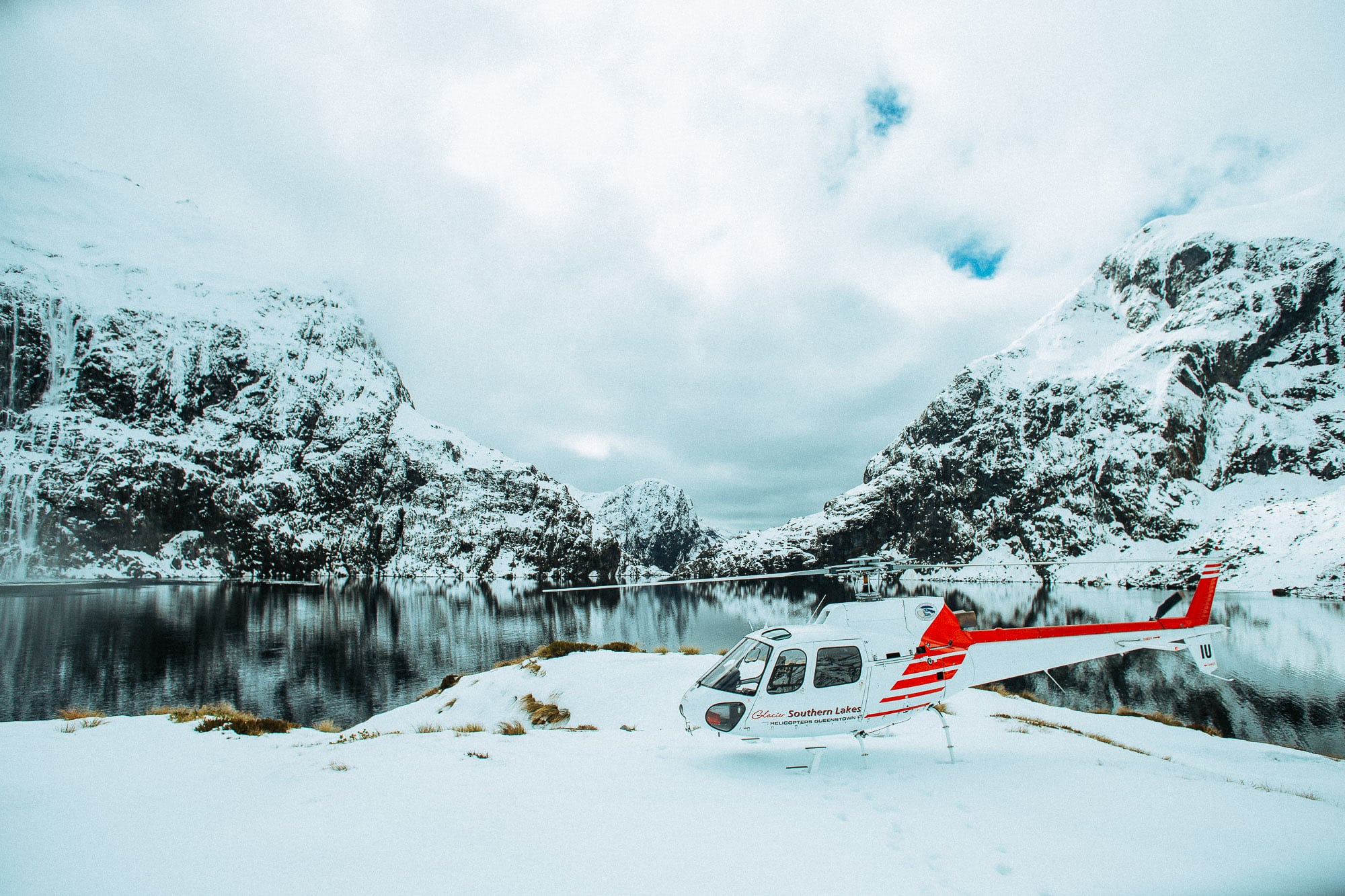
Travel makes you more creative because unfamiliar places switch your perception back on. At home, your brain runs the familiar streets on autopilot and your eye goes half asleep, while in a new place nothing is automatic yet, so you notice light, faces, rhythm, and detail at full strength. That recalibrated seeing comes home with you, and it upgrades everything you make next.
I have tested this answer for twenty-five years with a camera in my hand.
The shooting life took me almost everywhere, for brands and for people, and the pattern held the entire time. The work made right after time in an unfamiliar place carried something extra, and long stretches of staying put slowly flattened it back out. Eventually I stopped treating travel as the break between projects and started treating it as the input the projects run on, which is the argument of the longer essay on travel as creative input.
The first-day effect
The clearest version of the phenomenon happens on your first day in a country you have never seen.
Your perception turns all the way up because nothing has become invisible yet. The quality of the light, the way people stand near each other, the food, the sounds of the street, all of it arrives in full resolution, and you feel more awake than you have in months. Photographers chase that state on purpose, and the state belongs to anyone paying attention.
Familiarity is what dulls the eye, quietly and automatically, at home.
Your brain is built to stop rendering what it has already filed as known. Whatever surrounds you daily fades into a sketch of itself, and creative work made entirely inside that sketch starts drawing from a shrinking pool. An unfamiliar place forces the rendering back on, and that forced reawakening is the creative engine of travel.
More than scenery gets through
The deeper creative payoff of travel came, for me, from proximity to lives unlike mine.
Moving through other cultures, and traveling close to people whose realities I could never have imagined from the outside, rearranged what I thought I knew about people, including myself. That rearrangement keeps feeding the work years after any trip ends, because creative work is ultimately made out of your understanding of people, and travel widens that understanding faster than nearly anything else.
You leave to see a place, and you come back having seen people more clearly.
The well and the valve
Creative output gets all the attention, and creative input quietly decides its ceiling.
Every maker draws on a pool of seen and understood things, and constant production drains it while new experience refills it. Travel is one of the widest intake valves there is, which is why the trip that looks like indulgence on the schedule keeps showing up, invisibly, inside years of subsequent work, the way water is invisible in fruit.
Protect the input and the output mostly takes care of itself.
Bringing the effect home
The honest caveat, and the practical opportunity, is that distance is a tool rather than the mechanism.
The mechanism is perception running off autopilot, and you can trigger a smaller dose of it without a passport. Take an unfamiliar route through your own city and look at it. Sit in a neighborhood you never visit with a notebook or a camera, as a beginner at reading the place. Deliberate unfamiliarity in small doses keeps the eye from fully falling asleep between bigger trips.
And when you do travel, travel like a creative. Leave room to wander with no deliverable attached, let the place set the pace, and use the camera to look harder instead of to produce. The goal is to come home seeing differently, because the sharpened seeing, applied to your ordinary life and your next project, is where the creative return actually gets paid.
FAQ
Why does travel make you more creative?
Because unfamiliar places switch perception back on. At home the brain runs familiar surroundings on autopilot and the eye stops noticing, while in a new place nothing is automatic, so you take in light, detail, and human behavior at full strength. That recalibrated seeing carries into the work you make after you return, which is why travel earns its place as creative input rather than time off.
Do you have to travel far for the creative benefits?
The mechanism travels light, because perception wakes up wherever familiarity breaks, so an unfamiliar neighborhood, route, or setting in your own city triggers a smaller dose of the same effect. Far and different is the strong version, because more of your autopilot breaks at once, but deliberate small unfamiliarity keeps the eye awake between trips.
How is traveling as a creative different from a vacation?
A vacation is built for comfort and escape, while creative travel is built for perception. Traveling as a creative means leaving room to wander without a deliverable, being a beginner at reading the place, and using a camera or notebook to look harder rather than to produce. Rest can happen on the same trip, but the creative return comes from the attention.
How do you keep the creative boost after coming home?
Apply the sharpened seeing on purpose before it fades. Make something soon after returning, while your perception is still turned up, and point the travel-trained attention at your ordinary surroundings, which briefly look unfamiliar again. Pairing trips with a regular practice of small deliberate unfamiliarity at home stretches the effect across the months between them.
Worth keeping:
- Unfamiliarity is the switch that turns perception back on, and the sharpened seeing comes home with you if you use it before it fades.
- Input decides the ceiling on output, and travel is one of the widest intake valves a creative life has.
Small doses count too. Unfamiliar routes, unvisited neighborhoods, and beginner attention keep the eye awake between the bigger trips.
I send a weekly note on building a creative life where who you are and how you live are the same thing, and you can join it below.
8/26/26
Why Does Travel Make You More Creative? A Photographer’s Answer
When you need a trusted creative partner in the room.
Take the Fit Check
Be seen at the level you’re stepping into.

Hey! I'm Nick.
PHOTOGRAPHER
BRAND ALCHEMIST
TEACHER
At vero eos et accusamus et iusto odio dignissimos ducimus qui blanditiis praesentium voluptatum deleniti atque corrupti quos dolores et quas molestias excepturi sint occaecati cupiditate non provident, similique sunt in culpa qui officia deserunt mollitia.
Build authority from the inside out.
Emanate is a creative-direction-led photography experience for entrepreneurs, speakers, and thought leaders in a moment of expansion. This isn’t about better photos. It’s about aligning how you’re seen with who you’ve become. For seasons of rebrand, visibility, and next-level leadership.

Magnetic Authority is a self-guided container for people who feel visible, but not fully anchored.
If your message keeps shifting, your brand feels inconsistent, or your presence doesn’t match your capability yet. This is where you build the foundation before you scale.
Take the Fit Check
Start Here
For founders, creatives, and leaders who want a trusted long-term partner. This isn’t coaching or traditional consulting.
It’s an ongoing creative partnership focused on bringing your personal brand identity to life.
Your brand. Your website. Your visuals.
All shaped as a direct extension of who you are. The work also includes a bespoke process of identifying and aligning the right experts when needed, so nothing gets built out of sync with your core.
Explore the Partnership

Quiet. Precise. Highly Selective.
NEXT post
PREVIOUS post
read the latest
Brand guidelines are static rules for the surface. A Brand Brain is a living codification of identity a team or an AI can generate from. The difference, defined.
We trained six styles of kung fu in one month. Sampling that widely taught me how a creative actually finds the practice worth years: breadth first, the pull as data, then depth.
Travel makes you more creative because unfamiliar places wake up your perception. Why the effect works, and how to bring the sharpened eye home with you.
Your brand photos lag behind you because you kept evolving and the images stayed frozen. Why the gap opens, how to spot it, and what closes it.
The kung fu school had rules: locked-in weekdays, dawn starts, push-ups for lateness. A month inside taught me that constraints you choose are what make depth possible.
A daily creative practice is making one real thing every day, however small, to stay in a proactive state. A working definition, and how to build one that lasts.

AI describes your brand by averaging your public record. How to codify one identity, repeat it everywhere, and get the machines to echo you back accurately.

I’ve photographed Justin Bieber several times and seen fame up close. His stripped-down Coachella set showed the thing I keep relearning about creative work: production amplifies, and only artistry carries.

You recover from creative burnout by treating it as a nervous system state: build real down-cycles, read your own signals, and return to the work you love.
A magnetic personal brand comes from coherence and one clear through-line. Here is how entrepreneurs build one, in order, and the trap that keeps most brands scattered.
I spent a month training kung fu in Wudang at 47, the oldest and slowest learner in the room. What being a beginner again in midlife taught me about pace, comparison, and starting anyway.
You develop taste through thousands of reps of looking closely and deciding what works. A photographer’s honest answer on how taste gets built.
You make a personal brand more coherent by naming the identity underneath it, distilling a one or two word through-line, and bringing the four layers into agreement. The full path, in order.

About the Blogger
I was born in a low middle class conservative religious family in the suburbs of Seattle. Art was and always has been my passion, and more than that a way of life. Starting as a graphic designer, I taught myself photography, built a commercial/editorial business shooting for the worlds biggest brands like Nike, Coca-Cola, Adidas and more. I've also had the opportunity to photograph the world's biggest celebrities like Justin Bieber, Usher, Jessica Alba and more. I've curated a lifestyle around creativity and have learned a lot along the way which I get to share here.
I was born in a low middle class conservative religious family in the suburbs of Seattle. Art was and always has been my passion, and more than that a way of life. Starting as a graphic designer, I taught myself photography, built a commercial/editorial business shooting for the worlds biggest brands like Nike, Coca-Cola, Adidas and more. I've also had the opportunity to photograph the world's biggest celebrities like Justin Bieber, Usher, Jessica Alba and more. I've curated a lifestyle around creativity and have learned a lot along the way which I get to share here.
