


You got the photos back.
They’re professionally lit. Perfectly composed. Technically flawless.
But when you look at them, something feels wrong.
That person in the images looks like you. Same face. Same features. But the energy is off. The presence doesn’t match. When you see those photos, you don’t think “that’s me.” You think “that’s a version of me I was trying to be.”
This happens more than you realize.
Someone invests thousands in brand photography. The shoot feels good. The photographer is talented. The final gallery arrives and it’s… fine. Just fine.
The images are usable. You can put them on your website. But they don’t create the magnetism you were hoping for. They don’t capture the authority you know you carry.
Here’s why.
The Performance Problem
Most brand photoshoots are built on performance.
The photographer says “smile.” You smile.
They say “look confident.” You try to look confident.
They say “relax.” You try to relax while being hyper-aware of the camera pointed at you.
Every instruction asks you to manufacture an emotion. To perform a version of yourself you think looks professional.
The camera captures that performance.

And performances always feel hollow.
When you look at those images later, you’re seeing someone trying. Trying to look confident. Trying to appear approachable. Trying to embody authority.
The trying is what makes them feel wrong.
Because the real you doesn’t try. You just are.
What’s Actually Being Photographed
Here’s what most people miss.
Photography doesn’t capture what you look like.
It captures your state.
Your internal state in the moment the shutter clicks. If you’re anxious, the image shows anxiety. If you’re performing, the image shows performance. If you’re present, the image shows presence.
You can’t fake this.
The camera is more honest than you realize. It sees through the smile you’re forcing. It catches the tension in your shoulders. It registers the disconnect between your expression and your energy.
People feel that disconnect when they see the photos.
They might not be able to name it. But they sense something’s off. The images look professional but feel empty.
That emptiness is the gap between who you are and who you were trying to be when the photo was taken.
The Identity Mismatch
Most photographers ask the wrong questions.
They ask: “What do you want to look like?”
That question guarantees misalignment.
Because it assumes you need to look like something other than yourself. It puts you in performance mode before the shoot even starts.
The right question is: “Who are you when you’re in your deepest knowing?”
That person is the one worth photographing.
But you can’t access that person through posing. You can’t manufacture that presence. You have to create the conditions for it to emerge naturally.

Most photoshoots don’t create those conditions.
They rush. They direct. They optimize for efficiency over truth. The result is images that look professional but don’t feel true.
Why Technical Skill Isn’t Enough
You can hire the most technically skilled photographer in the world.
Perfect lighting. Professional equipment. Flawless retouching.
And still end up with images that don’t feel like you.
Because technical skill captures what’s in front of the camera. It doesn’t create what needs to be in front of the camera.
If you show up to the shoot disconnected from yourself, the photographer can’t fix that with better lighting.
If you’re performing a version of yourself you think looks professional, no amount of retouching will make that performance feel authentic.
The technical excellence just makes the misalignment more obvious.
The Wardrobe Trap
Here’s where a lot of shoots go wrong.
Someone gets told: “Dress professionally.”
So they wear clothes that fit the image of professional. Not clothes that feel like them.
They show up in a blazer they never wear. Or colors that look good but don’t match their energy. Or styles borrowed from someone else’s brand.
The discomfort shows.
Your wardrobe isn’t decoration. It’s an extension of your frequency.
When you wear something that doesn’t feel like you, your body knows. You hold yourself differently. Your energy contracts. The images capture that contraction.
The best brand photos come from people wearing what makes them feel most like themselves. Not most professional. Most aligned.
The Direction Style Matters
Some photographers direct by telling you exactly what to do.
“Put your hand here. Turn your head this way. Lift your chin.”
That might create technically good images. But it also keeps you in your head. Calculating. Adjusting. Performing.
The best direction doesn’t tell you what to do.
It creates conditions for you to be.
A photographer might say: “Think about the last time you knew you were right about something and no one believed you.”
That prompt accesses real emotion. Real memory. Real presence.
The images that come from that moment feel different. Because you weren’t posing. You were inhabiting.
The Time Pressure Effect
Most photoshoots are rushed.
Two hours. Maybe three. Get through multiple locations and wardrobe changes. Maximize output.
That pressure guarantees performance.
When you’re watching the clock, you can’t drop into presence. You’re managing time. Thinking about the next setup. Wondering if you’re getting enough variety.
All of that mental noise shows up in the images.
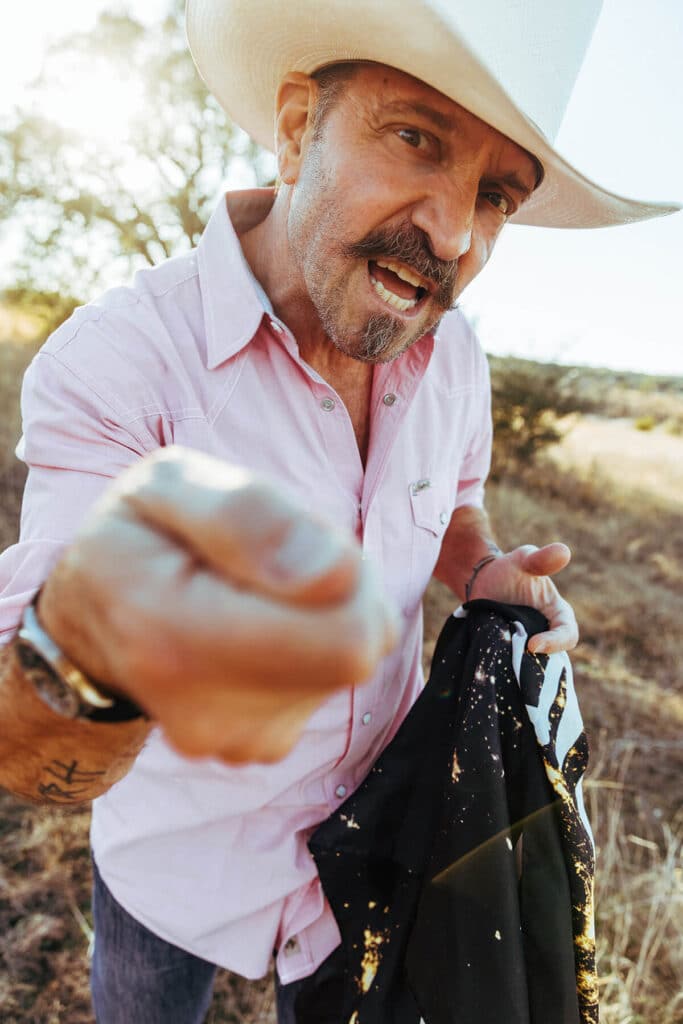
The best brand photography happens when time expands.
When there’s space to breathe. To let the performance layer fall away. To access the version of yourself that exists when you’re not trying.
That takes time most photographers don’t budget for.
What You’re Actually Seeing in Bad Photos
When brand photos don’t feel like you, you’re seeing one of three things.
First: You’re seeing fear.
Fear of being judged. Fear of looking stupid. Fear of not being enough. That fear creates a protective shell. The images capture the shell, not you.
Second: You’re seeing borrowed identity.
You’re trying to look like someone else’s version of authority. Corporate. Polished. “Professional.” That borrowed identity never fits quite right.
Third: You’re seeing the gap.
The gap between who you are privately and how you’re showing up publicly. When those don’t align, the images feel hollow.
The photos aren’t lying.
They’re showing you exactly what was true in that moment. If you weren’t present, they show absence. If you were performing, they show performance.
The Pre-Shoot Work Nobody Does
Here’s what most people skip.
They book a photoshoot. Show up. Hope for the best.
No identity work. No clarity on who they’re becoming. No exploration of the gap between their private self and their projected self.
The shoot becomes about manufacturing images instead of revealing truth.

The photographers who create images that feel true start weeks before the shoot.
They ask about your transformation. Your audience. Your authority. The message you’re here to carry.
They’re not asking about poses. They’re asking about identity.
That groundwork changes everything. Because by the time you show up to the shoot, you’re not trying to figure out who to be. You already know.
The Energy You Bring
Your state determines the outcome.
If you arrive anxious, the photos will carry anxiety. If you arrive performing, the photos will feel performed. If you arrive present, the photos will show presence.
Most people arrive in their head.
Thinking about whether they look good. Whether they’re doing it right. Whether the investment will be worth it.
All of that mental noise creates static.
The photographer can’t direct you out of that static. You have to arrive already clear. Already grounded. Already connected to who you are when you’re alone.
That’s why great brand photography starts with you, not the photographer.
The Location Choice Reveals Everything
Some people choose locations because they look good.
Urban brick wall. Clean studio. Scenic overlook.
The location becomes backdrop. Pretty but meaningless.
The best locations carry resonance.
They reflect something true about who you are. The environment you work in. The places you feel most alive. The settings that access your deepest knowing.
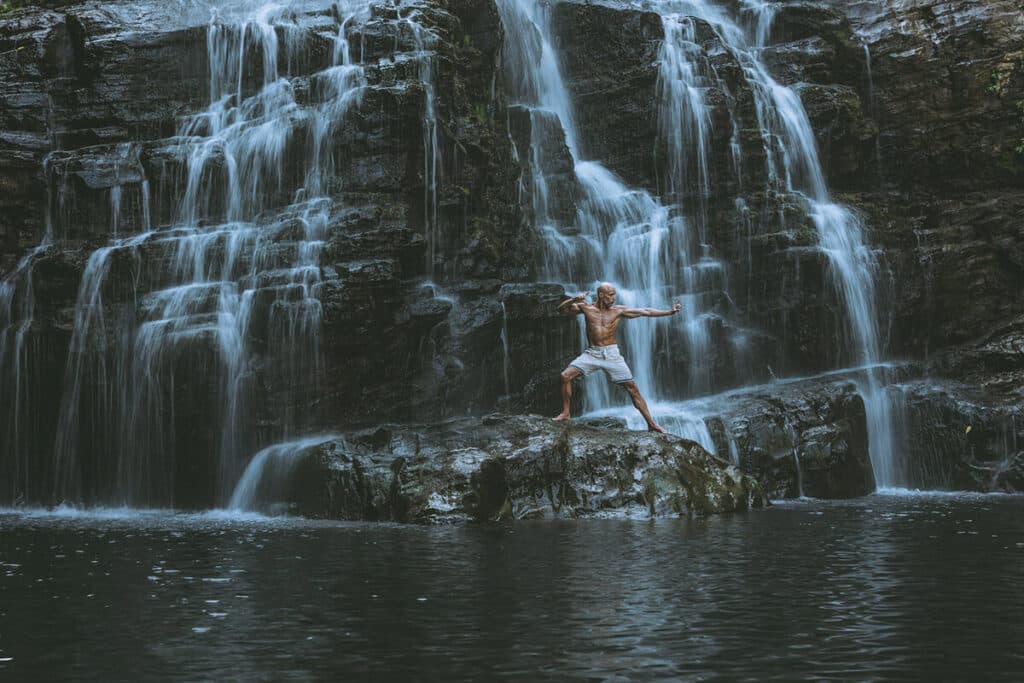
When the location matters to you, you show up differently.
You’re not posing in a generic setting. You’re inhabiting a space that holds meaning. That inhabitation is what the camera catches.
Why Retouching Can’t Fix This
Some people think the problem is post-production.
“If we just retouch this more…” “Can you make me look more confident?”
No.
Retouching can smooth skin. Adjust lighting. Remove distractions.
It can’t add presence that wasn’t there. It can’t manufacture authenticity. It can’t fix a performance problem.
The best retouching is invisible. It clarifies what was already true in the moment. It doesn’t try to create something that wasn’t.
If the foundation is misalignment, no amount of editing saves it.
The Photographer’s Role in This
Not all photographers understand this.
Some are order-takers. They show up. Shoot what you tell them. Deliver the files.
Those photographers can’t create images that feel true. Because they’re not looking for truth. They’re executing a transaction.
The photographers who create transformational images do something different.
They see you.
Not just what you look like. Who you are. The authority you’re claiming. The frequency you carry when you’re not performing.
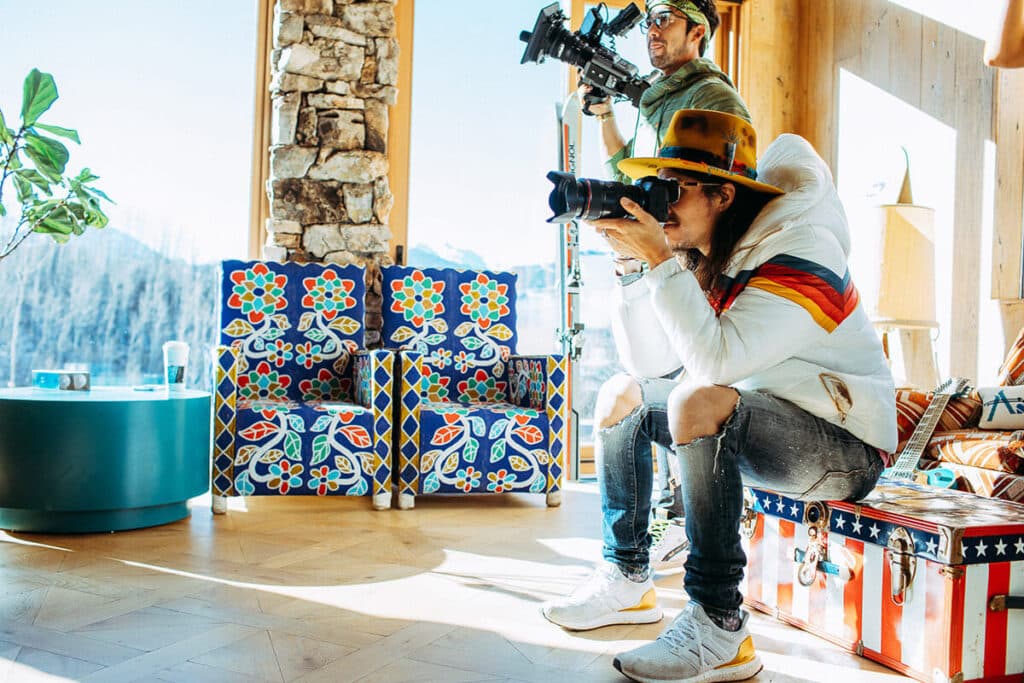
That seeing is the skill.
Anyone can learn camera settings. Not everyone can see past performance to presence. That ability to see is what you’re actually paying for.
The Question to Ask Before Booking
Before you book a brand photoshoot, ask yourself this.
“Do I trust myself enough to be seen?”
If the answer is no, the photos won’t work. No matter how talented the photographer.
Because you’ll show up armored. Protected. Performing.
And the images will capture that armor.
The work isn’t finding a better photographer. The work is doing the internal clearing that lets you be photographable.
That might mean therapy. Coaching. Identity work. Whatever helps you close the gap between your private knowing and your public presence.
Do that work first.
Then the photos become easy.
What Actually Makes Photos Feel True
Photos feel like you when three things align.
One: You’re embodying, not performing.
You’re present in your body. Connected to your knowing. Not trying to look like anything.
Two: The photographer is directing from truth, not aesthetics.
They’re creating conditions for presence. Not manufacturing poses.
Three: Everything reflects your actual frequency.
The locations. The wardrobe. The direction. The pacing. All of it matches who you are when you’re alone with yourself.
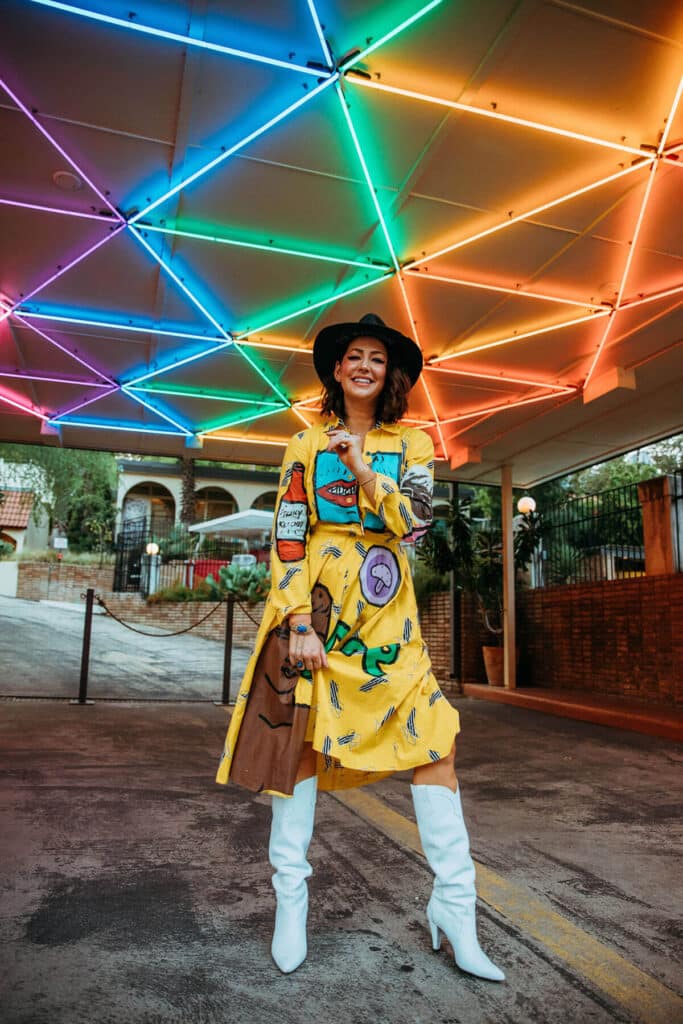
When those three elements converge, the images feel magnetic.
Not because they’re technically perfect. Because they’re true.
The Transformation Timeline
This shift doesn’t happen instantly.
You don’t wake up one day ready to be photographed with full presence.
It’s a journey.
First, you notice the performance. You see where you’re trying to be someone you’re not.
Then, you start closing the gaps. Private self, public self, projected self. You work toward alignment.
Finally, you show up to a shoot already embodied. Already clear. Already connected.
That’s when the images work.
Not because the photographer got better. Because you did.
Why This Matters Beyond Photos
The reason your brand photos don’t feel like you is the same reason your business might feel hard.
You’re operating from performance, not presence.
Trying to be what you think the market wants. Trying to look professional. Trying to project authority.
All that trying creates friction.
When you shift into embodiment, everything gets easier.
Your photos feel true. Your marketing feels natural. Your client conversations flow. Your pricing becomes obvious.
The photos are just the diagnostic tool.
They show you where the performance is hiding. Where you’re still trying instead of being.
The Real Fix
If your brand photos don’t feel like you, don’t blame the photographer.
Ask deeper questions.
Who were you being when those photos were taken? Were you present or performing? Were you connected to your authority or trying to manufacture it?
The photos are honest.
They showed exactly what was true in that moment. If you don’t like what you see, that’s information.
It’s showing you where the work is.
Not the photographic work. The identity work.
Close the gap between who you are alone and how you show up publicly. Let your private knowing surface. Stop performing professional and start embodying present.
Do that work first.
Then book the photographer.
3 Takeaways
- Brand photos feel wrong when you’re performing instead of embodying. The camera captures your state, not just your appearance. If you show up trying to look confident rather than being confident, the images will always feel hollow no matter how technically perfect they are.
- The problem isn’t the photographer’s skill—it’s the identity misalignment you brought to the shoot. When your private self, public self, and projected self aren’t aligned, the photos broadcast that split at scale. The work is internal before it’s visual.
- Great brand photography starts with identity work, not camera work. The shoots that produce images you love begin weeks before with questions about who you’re becoming, what authority you’re claiming, and what frequency you carry when you stop performing. That clarity creates the conditions for true images to emerge.


LET'S CONSPIRE & CREATE
CULTIVATING YOUR VISUAL UNIQUENESS AND STREAMLINING YOUR BRAND'S EVOLUTION

You got the photos back.
They’re professionally lit. Perfectly composed. Technically flawless.
But when you look at them, something feels wrong.
That person in the images looks like you. Same face. Same features. But the energy is off. The presence doesn’t match. When you see those photos, you don’t think “that’s me.” You think “that’s a version of me I was trying to be.”
This happens more than you realize.
Someone invests thousands in brand photography. The shoot feels good. The photographer is talented. The final gallery arrives and it’s… fine. Just fine.
The images are usable. You can put them on your website. But they don’t create the magnetism you were hoping for. They don’t capture the authority you know you carry.
Here’s why.
The Performance Problem
Most brand photoshoots are built on performance.
The photographer says “smile.” You smile.
They say “look confident.” You try to look confident.
They say “relax.” You try to relax while being hyper-aware of the camera pointed at you.
Every instruction asks you to manufacture an emotion. To perform a version of yourself you think looks professional.
The camera captures that performance.
And performances always feel hollow.
When you look at those images later, you’re seeing someone trying. Trying to look confident. Trying to appear approachable. Trying to embody authority.
The trying is what makes them feel wrong.
Because the real you doesn’t try. You just are.
What’s Actually Being Photographed
Here’s what most people miss.
Photography doesn’t capture what you look like.
It captures your state.
Your internal state in the moment the shutter clicks. If you’re anxious, the image shows anxiety. If you’re performing, the image shows performance. If you’re present, the image shows presence.
You can’t fake this.
The camera is more honest than you realize. It sees through the smile you’re forcing. It catches the tension in your shoulders. It registers the disconnect between your expression and your energy.
People feel that disconnect when they see the photos.
They might not be able to name it. But they sense something’s off. The images look professional but feel empty.
That emptiness is the gap between who you are and who you were trying to be when the photo was taken.
The Identity Mismatch
Most photographers ask the wrong questions.
They ask: “What do you want to look like?”
That question guarantees misalignment.
Because it assumes you need to look like something other than yourself. It puts you in performance mode before the shoot even starts.
The right question is: “Who are you when you’re in your deepest knowing?”
That person is the one worth photographing.
But you can’t access that person through posing. You can’t manufacture that presence. You have to create the conditions for it to emerge naturally.
Most photoshoots don’t create those conditions.
They rush. They direct. They optimize for efficiency over truth. The result is images that look professional but don’t feel true.
Why Technical Skill Isn’t Enough
You can hire the most technically skilled photographer in the world.
Perfect lighting. Professional equipment. Flawless retouching.
And still end up with images that don’t feel like you.
Because technical skill captures what’s in front of the camera. It doesn’t create what needs to be in front of the camera.
If you show up to the shoot disconnected from yourself, the photographer can’t fix that with better lighting.
If you’re performing a version of yourself you think looks professional, no amount of retouching will make that performance feel authentic.
The technical excellence just makes the misalignment more obvious.
The Wardrobe Trap
Here’s where a lot of shoots go wrong.
Someone gets told: “Dress professionally.”
So they wear clothes that fit the image of professional. Not clothes that feel like them.
They show up in a blazer they never wear. Or colors that look good but don’t match their energy. Or styles borrowed from someone else’s brand.
The discomfort shows.
Your wardrobe isn’t decoration. It’s an extension of your frequency.
When you wear something that doesn’t feel like you, your body knows. You hold yourself differently. Your energy contracts. The images capture that contraction.
The best brand photos come from people wearing what makes them feel most like themselves. Not most professional. Most aligned.
The Direction Style Matters
Some photographers direct by telling you exactly what to do.
“Put your hand here. Turn your head this way. Lift your chin.”
That might create technically good images. But it also keeps you in your head. Calculating. Adjusting. Performing.
The best direction doesn’t tell you what to do.
It creates conditions for you to be.
A photographer might say: “Think about the last time you knew you were right about something and no one believed you.”
That prompt accesses real emotion. Real memory. Real presence.
The images that come from that moment feel different. Because you weren’t posing. You were inhabiting.
The Time Pressure Effect
Most photoshoots are rushed.
Two hours. Maybe three. Get through multiple locations and wardrobe changes. Maximize output.
That pressure guarantees performance.
When you’re watching the clock, you can’t drop into presence. You’re managing time. Thinking about the next setup. Wondering if you’re getting enough variety.
All of that mental noise shows up in the images.
The best brand photography happens when time expands.
When there’s space to breathe. To let the performance layer fall away. To access the version of yourself that exists when you’re not trying.
That takes time most photographers don’t budget for.
What You’re Actually Seeing in Bad Photos
When brand photos don’t feel like you, you’re seeing one of three things.
First: You’re seeing fear.
Fear of being judged. Fear of looking stupid. Fear of not being enough. That fear creates a protective shell. The images capture the shell, not you.
Second: You’re seeing borrowed identity.
You’re trying to look like someone else’s version of authority. Corporate. Polished. “Professional.” That borrowed identity never fits quite right.
Third: You’re seeing the gap.
The gap between who you are privately and how you’re showing up publicly. When those don’t align, the images feel hollow.
The photos aren’t lying.
They’re showing you exactly what was true in that moment. If you weren’t present, they show absence. If you were performing, they show performance.
The Pre-Shoot Work Nobody Does
Here’s what most people skip.
They book a photoshoot. Show up. Hope for the best.
No identity work. No clarity on who they’re becoming. No exploration of the gap between their private self and their projected self.
The shoot becomes about manufacturing images instead of revealing truth.
The photographers who create images that feel true start weeks before the shoot.
They ask about your transformation. Your audience. Your authority. The message you’re here to carry.
They’re not asking about poses. They’re asking about identity.
That groundwork changes everything. Because by the time you show up to the shoot, you’re not trying to figure out who to be. You already know.
The Energy You Bring
Your state determines the outcome.
If you arrive anxious, the photos will carry anxiety. If you arrive performing, the photos will feel performed. If you arrive present, the photos will show presence.
Most people arrive in their head.
Thinking about whether they look good. Whether they’re doing it right. Whether the investment will be worth it.
All of that mental noise creates static.
The photographer can’t direct you out of that static. You have to arrive already clear. Already grounded. Already connected to who you are when you’re alone.
That’s why great brand photography starts with you, not the photographer.
The Location Choice Reveals Everything
Some people choose locations because they look good.
Urban brick wall. Clean studio. Scenic overlook.
The location becomes backdrop. Pretty but meaningless.
The best locations carry resonance.
They reflect something true about who you are. The environment you work in. The places you feel most alive. The settings that access your deepest knowing.
When the location matters to you, you show up differently.
You’re not posing in a generic setting. You’re inhabiting a space that holds meaning. That inhabitation is what the camera catches.
Why Retouching Can’t Fix This
Some people think the problem is post-production.
“If we just retouch this more…” “Can you make me look more confident?”
No.
Retouching can smooth skin. Adjust lighting. Remove distractions.
It can’t add presence that wasn’t there. It can’t manufacture authenticity. It can’t fix a performance problem.
The best retouching is invisible. It clarifies what was already true in the moment. It doesn’t try to create something that wasn’t.
If the foundation is misalignment, no amount of editing saves it.
The Photographer’s Role in This
Not all photographers understand this.
Some are order-takers. They show up. Shoot what you tell them. Deliver the files.
Those photographers can’t create images that feel true. Because they’re not looking for truth. They’re executing a transaction.
The photographers who create transformational images do something different.
They see you.
Not just what you look like. Who you are. The authority you’re claiming. The frequency you carry when you’re not performing.
That seeing is the skill.
Anyone can learn camera settings. Not everyone can see past performance to presence. That ability to see is what you’re actually paying for.
The Question to Ask Before Booking
Before you book a brand photoshoot, ask yourself this.
“Do I trust myself enough to be seen?”
If the answer is no, the photos won’t work. No matter how talented the photographer.
Because you’ll show up armored. Protected. Performing.
And the images will capture that armor.
The work isn’t finding a better photographer. The work is doing the internal clearing that lets you be photographable.
That might mean therapy. Coaching. Identity work. Whatever helps you close the gap between your private knowing and your public presence.
Do that work first.
Then the photos become easy.
What Actually Makes Photos Feel True
Photos feel like you when three things align.
One: You’re embodying, not performing.
You’re present in your body. Connected to your knowing. Not trying to look like anything.
Two: The photographer is directing from truth, not aesthetics.
They’re creating conditions for presence. Not manufacturing poses.
Three: Everything reflects your actual frequency.
The locations. The wardrobe. The direction. The pacing. All of it matches who you are when you’re alone with yourself.
When those three elements converge, the images feel magnetic.
Not because they’re technically perfect. Because they’re true.
The Transformation Timeline
This shift doesn’t happen instantly.
You don’t wake up one day ready to be photographed with full presence.
It’s a journey.
First, you notice the performance. You see where you’re trying to be someone you’re not.
Then, you start closing the gaps. Private self, public self, projected self. You work toward alignment.
Finally, you show up to a shoot already embodied. Already clear. Already connected.
That’s when the images work.
Not because the photographer got better. Because you did.
Why This Matters Beyond Photos
The reason your brand photos don’t feel like you is the same reason your business might feel hard.
You’re operating from performance, not presence.
Trying to be what you think the market wants. Trying to look professional. Trying to project authority.
All that trying creates friction.
When you shift into embodiment, everything gets easier.
Your photos feel true. Your marketing feels natural. Your client conversations flow. Your pricing becomes obvious.
The photos are just the diagnostic tool.
They show you where the performance is hiding. Where you’re still trying instead of being.
The Real Fix
If your brand photos don’t feel like you, don’t blame the photographer.
Ask deeper questions.
Who were you being when those photos were taken? Were you present or performing? Were you connected to your authority or trying to manufacture it?
The photos are honest.
They showed exactly what was true in that moment. If you don’t like what you see, that’s information.
It’s showing you where the work is.
Not the photographic work. The identity work.
Close the gap between who you are alone and how you show up publicly. Let your private knowing surface. Stop performing professional and start embodying present.
Do that work first.
Then book the photographer.
3 Takeaways
- Brand photos feel wrong when you’re performing instead of embodying. The camera captures your state, not just your appearance. If you show up trying to look confident rather than being confident, the images will always feel hollow no matter how technically perfect they are.
- The problem isn’t the photographer’s skill—it’s the identity misalignment you brought to the shoot. When your private self, public self, and projected self aren’t aligned, the photos broadcast that split at scale. The work is internal before it’s visual.
- Great brand photography starts with identity work, not camera work. The shoots that produce images you love begin weeks before with questions about who you’re becoming, what authority you’re claiming, and what frequency you carry when you stop performing. That clarity creates the conditions for true images to emerge.
3/04/26
Why Your Brand Photos Don’t Feel Like You
infuse your vision with a fresh breath of creativity and vitality
BOOK A BRAND PHOTOSHOOT


GET THE DETAILS
GET THE DETAILS
infuse your vision with a fresh breath of creativity and vitality

PODCAST
BRAND INTELLIGENCE
CREATIVE INTELLIGENCE
LIFE INTELLIGENCE

masterfully aligning perception and reality through personal branding
masterfully aligning perception and reality through personal branding
You got the photos back.
They’re professionally lit. Perfectly composed. Technically flawless.
But when you look at them, something feels wrong.
That person in the images looks like you. Same face. Same features. But the energy is off. The presence doesn’t match. When you see those photos, you don’t think “that’s me.” You think “that’s a version of me I was trying to be.”
This happens more than you realize.
Someone invests thousands in brand photography. The shoot feels good. The photographer is talented. The final gallery arrives and it’s… fine. Just fine.
The images are usable. You can put them on your website. But they don’t create the magnetism you were hoping for. They don’t capture the authority you know you carry.
Here’s why.
The Performance Problem
Most brand photoshoots are built on performance.
The photographer says “smile.” You smile.
They say “look confident.” You try to look confident.
They say “relax.” You try to relax while being hyper-aware of the camera pointed at you.
Every instruction asks you to manufacture an emotion. To perform a version of yourself you think looks professional.
The camera captures that performance.
And performances always feel hollow.
When you look at those images later, you’re seeing someone trying. Trying to look confident. Trying to appear approachable. Trying to embody authority.
The trying is what makes them feel wrong.
Because the real you doesn’t try. You just are.
What’s Actually Being Photographed
Here’s what most people miss.
Photography doesn’t capture what you look like.
It captures your state.
Your internal state in the moment the shutter clicks. If you’re anxious, the image shows anxiety. If you’re performing, the image shows performance. If you’re present, the image shows presence.
You can’t fake this.
The camera is more honest than you realize. It sees through the smile you’re forcing. It catches the tension in your shoulders. It registers the disconnect between your expression and your energy.
People feel that disconnect when they see the photos.
They might not be able to name it. But they sense something’s off. The images look professional but feel empty.
That emptiness is the gap between who you are and who you were trying to be when the photo was taken.
The Identity Mismatch
Most photographers ask the wrong questions.
They ask: “What do you want to look like?”
That question guarantees misalignment.
Because it assumes you need to look like something other than yourself. It puts you in performance mode before the shoot even starts.
The right question is: “Who are you when you’re in your deepest knowing?”
That person is the one worth photographing.
But you can’t access that person through posing. You can’t manufacture that presence. You have to create the conditions for it to emerge naturally.
Most photoshoots don’t create those conditions.
They rush. They direct. They optimize for efficiency over truth. The result is images that look professional but don’t feel true.
Why Technical Skill Isn’t Enough
You can hire the most technically skilled photographer in the world.
Perfect lighting. Professional equipment. Flawless retouching.
And still end up with images that don’t feel like you.
Because technical skill captures what’s in front of the camera. It doesn’t create what needs to be in front of the camera.
If you show up to the shoot disconnected from yourself, the photographer can’t fix that with better lighting.
If you’re performing a version of yourself you think looks professional, no amount of retouching will make that performance feel authentic.
The technical excellence just makes the misalignment more obvious.
The Wardrobe Trap
Here’s where a lot of shoots go wrong.
Someone gets told: “Dress professionally.”
So they wear clothes that fit the image of professional. Not clothes that feel like them.
They show up in a blazer they never wear. Or colors that look good but don’t match their energy. Or styles borrowed from someone else’s brand.
The discomfort shows.
Your wardrobe isn’t decoration. It’s an extension of your frequency.
When you wear something that doesn’t feel like you, your body knows. You hold yourself differently. Your energy contracts. The images capture that contraction.
The best brand photos come from people wearing what makes them feel most like themselves. Not most professional. Most aligned.
The Direction Style Matters
Some photographers direct by telling you exactly what to do.
“Put your hand here. Turn your head this way. Lift your chin.”
That might create technically good images. But it also keeps you in your head. Calculating. Adjusting. Performing.
The best direction doesn’t tell you what to do.
It creates conditions for you to be.
A photographer might say: “Think about the last time you knew you were right about something and no one believed you.”
That prompt accesses real emotion. Real memory. Real presence.
The images that come from that moment feel different. Because you weren’t posing. You were inhabiting.
The Time Pressure Effect
Most photoshoots are rushed.
Two hours. Maybe three. Get through multiple locations and wardrobe changes. Maximize output.
That pressure guarantees performance.
When you’re watching the clock, you can’t drop into presence. You’re managing time. Thinking about the next setup. Wondering if you’re getting enough variety.
All of that mental noise shows up in the images.
The best brand photography happens when time expands.
When there’s space to breathe. To let the performance layer fall away. To access the version of yourself that exists when you’re not trying.
That takes time most photographers don’t budget for.
What You’re Actually Seeing in Bad Photos
When brand photos don’t feel like you, you’re seeing one of three things.
First: You’re seeing fear.
Fear of being judged. Fear of looking stupid. Fear of not being enough. That fear creates a protective shell. The images capture the shell, not you.
Second: You’re seeing borrowed identity.
You’re trying to look like someone else’s version of authority. Corporate. Polished. “Professional.” That borrowed identity never fits quite right.
Third: You’re seeing the gap.
The gap between who you are privately and how you’re showing up publicly. When those don’t align, the images feel hollow.
The photos aren’t lying.
They’re showing you exactly what was true in that moment. If you weren’t present, they show absence. If you were performing, they show performance.
The Pre-Shoot Work Nobody Does
Here’s what most people skip.
They book a photoshoot. Show up. Hope for the best.
No identity work. No clarity on who they’re becoming. No exploration of the gap between their private self and their projected self.
The shoot becomes about manufacturing images instead of revealing truth.
The photographers who create images that feel true start weeks before the shoot.
They ask about your transformation. Your audience. Your authority. The message you’re here to carry.
They’re not asking about poses. They’re asking about identity.
That groundwork changes everything. Because by the time you show up to the shoot, you’re not trying to figure out who to be. You already know.
The Energy You Bring
Your state determines the outcome.
If you arrive anxious, the photos will carry anxiety. If you arrive performing, the photos will feel performed. If you arrive present, the photos will show presence.
Most people arrive in their head.
Thinking about whether they look good. Whether they’re doing it right. Whether the investment will be worth it.
All of that mental noise creates static.
The photographer can’t direct you out of that static. You have to arrive already clear. Already grounded. Already connected to who you are when you’re alone.
That’s why great brand photography starts with you, not the photographer.
The Location Choice Reveals Everything
Some people choose locations because they look good.
Urban brick wall. Clean studio. Scenic overlook.
The location becomes backdrop. Pretty but meaningless.
The best locations carry resonance.
They reflect something true about who you are. The environment you work in. The places you feel most alive. The settings that access your deepest knowing.
When the location matters to you, you show up differently.
You’re not posing in a generic setting. You’re inhabiting a space that holds meaning. That inhabitation is what the camera catches.
Why Retouching Can’t Fix This
Some people think the problem is post-production.
“If we just retouch this more…” “Can you make me look more confident?”
No.
Retouching can smooth skin. Adjust lighting. Remove distractions.
It can’t add presence that wasn’t there. It can’t manufacture authenticity. It can’t fix a performance problem.
The best retouching is invisible. It clarifies what was already true in the moment. It doesn’t try to create something that wasn’t.
If the foundation is misalignment, no amount of editing saves it.
The Photographer’s Role in This
Not all photographers understand this.
Some are order-takers. They show up. Shoot what you tell them. Deliver the files.
Those photographers can’t create images that feel true. Because they’re not looking for truth. They’re executing a transaction.
The photographers who create transformational images do something different.
They see you.
Not just what you look like. Who you are. The authority you’re claiming. The frequency you carry when you’re not performing.
That seeing is the skill.
Anyone can learn camera settings. Not everyone can see past performance to presence. That ability to see is what you’re actually paying for.
The Question to Ask Before Booking
Before you book a brand photoshoot, ask yourself this.
“Do I trust myself enough to be seen?”
If the answer is no, the photos won’t work. No matter how talented the photographer.
Because you’ll show up armored. Protected. Performing.
And the images will capture that armor.
The work isn’t finding a better photographer. The work is doing the internal clearing that lets you be photographable.
That might mean therapy. Coaching. Identity work. Whatever helps you close the gap between your private knowing and your public presence.
Do that work first.
Then the photos become easy.
What Actually Makes Photos Feel True
Photos feel like you when three things align.
One: You’re embodying, not performing.
You’re present in your body. Connected to your knowing. Not trying to look like anything.
Two: The photographer is directing from truth, not aesthetics.
They’re creating conditions for presence. Not manufacturing poses.
Three: Everything reflects your actual frequency.
The locations. The wardrobe. The direction. The pacing. All of it matches who you are when you’re alone with yourself.
When those three elements converge, the images feel magnetic.
Not because they’re technically perfect. Because they’re true.
The Transformation Timeline
This shift doesn’t happen instantly.
You don’t wake up one day ready to be photographed with full presence.
It’s a journey.
First, you notice the performance. You see where you’re trying to be someone you’re not.
Then, you start closing the gaps. Private self, public self, projected self. You work toward alignment.
Finally, you show up to a shoot already embodied. Already clear. Already connected.
That’s when the images work.
Not because the photographer got better. Because you did.
Why This Matters Beyond Photos
The reason your brand photos don’t feel like you is the same reason your business might feel hard.
You’re operating from performance, not presence.
Trying to be what you think the market wants. Trying to look professional. Trying to project authority.
All that trying creates friction.
When you shift into embodiment, everything gets easier.
Your photos feel true. Your marketing feels natural. Your client conversations flow. Your pricing becomes obvious.
The photos are just the diagnostic tool.
They show you where the performance is hiding. Where you’re still trying instead of being.
The Real Fix
If your brand photos don’t feel like you, don’t blame the photographer.
Ask deeper questions.
Who were you being when those photos were taken? Were you present or performing? Were you connected to your authority or trying to manufacture it?
The photos are honest.
They showed exactly what was true in that moment. If you don’t like what you see, that’s information.
It’s showing you where the work is.
Not the photographic work. The identity work.
Close the gap between who you are alone and how you show up publicly. Let your private knowing surface. Stop performing professional and start embodying present.
Do that work first.
Then book the photographer.
3 Takeaways
- Brand photos feel wrong when you’re performing instead of embodying. The camera captures your state, not just your appearance. If you show up trying to look confident rather than being confident, the images will always feel hollow no matter how technically perfect they are.
- The problem isn’t the photographer’s skill—it’s the identity misalignment you brought to the shoot. When your private self, public self, and projected self aren’t aligned, the photos broadcast that split at scale. The work is internal before it’s visual.
- Great brand photography starts with identity work, not camera work. The shoots that produce images you love begin weeks before with questions about who you’re becoming, what authority you’re claiming, and what frequency you carry when you stop performing. That clarity creates the conditions for true images to emerge.
3/04/26
Why Your Brand Photos Don’t Feel Like You
When you need a trusted creative partner in the room.
Take the Fit Check
Be seen at the level you’re stepping into.

Hey! I'm Nick.
PHOTOGRAPHER
BRAND ALCHEMIST
TEACHER
At vero eos et accusamus et iusto odio dignissimos ducimus qui blanditiis praesentium voluptatum deleniti atque corrupti quos dolores et quas molestias excepturi sint occaecati cupiditate non provident, similique sunt in culpa qui officia deserunt mollitia.
Build authority from the inside out.
Emanate is a creative-direction-led photography experience for entrepreneurs, speakers, and thought leaders in a moment of expansion. This isn’t about better photos. It’s about aligning how you’re seen with who you’ve become. For seasons of rebrand, visibility, and next-level leadership.

Magnetic Authority is a self-guided container for people who feel visible, but not fully anchored.
If your message keeps shifting, your brand feels inconsistent, or your presence doesn’t match your capability yet. This is where you build the foundation before you scale.
Take the Fit Check
Start Here
For founders, creatives, and leaders who want a trusted long-term partner. This isn’t coaching or traditional consulting.
It’s an ongoing creative partnership focused on bringing your personal brand identity to life.
Your brand. Your website. Your visuals.
All shaped as a direct extension of who you are. The work also includes a bespoke process of identifying and aligning the right experts when needed, so nothing gets built out of sync with your core.
Explore the Partnership

Quiet. Precise. Highly Selective.
NEXT post
PREVIOUS post
read the latest
Brand guidelines are static rules for the surface. A Brand Brain is a living codification of identity a team or an AI can generate from. The difference, defined.
We trained six styles of kung fu in one month. Sampling that widely taught me how a creative actually finds the practice worth years: breadth first, the pull as data, then depth.
Travel makes you more creative because unfamiliar places wake up your perception. Why the effect works, and how to bring the sharpened eye home with you.
Your brand photos lag behind you because you kept evolving and the images stayed frozen. Why the gap opens, how to spot it, and what closes it.
The kung fu school had rules: locked-in weekdays, dawn starts, push-ups for lateness. A month inside taught me that constraints you choose are what make depth possible.
A daily creative practice is making one real thing every day, however small, to stay in a proactive state. A working definition, and how to build one that lasts.

AI describes your brand by averaging your public record. How to codify one identity, repeat it everywhere, and get the machines to echo you back accurately.

I’ve photographed Justin Bieber several times and seen fame up close. His stripped-down Coachella set showed the thing I keep relearning about creative work: production amplifies, and only artistry carries.

You recover from creative burnout by treating it as a nervous system state: build real down-cycles, read your own signals, and return to the work you love.
A magnetic personal brand comes from coherence and one clear through-line. Here is how entrepreneurs build one, in order, and the trap that keeps most brands scattered.
I spent a month training kung fu in Wudang at 47, the oldest and slowest learner in the room. What being a beginner again in midlife taught me about pace, comparison, and starting anyway.
You develop taste through thousands of reps of looking closely and deciding what works. A photographer’s honest answer on how taste gets built.
You make a personal brand more coherent by naming the identity underneath it, distilling a one or two word through-line, and bringing the four layers into agreement. The full path, in order.

About the Blogger
I was born in a low middle class conservative religious family in the suburbs of Seattle. Art was and always has been my passion, and more than that a way of life. Starting as a graphic designer, I taught myself photography, built a commercial/editorial business shooting for the worlds biggest brands like Nike, Coca-Cola, Adidas and more. I've also had the opportunity to photograph the world's biggest celebrities like Justin Bieber, Usher, Jessica Alba and more. I've curated a lifestyle around creativity and have learned a lot along the way which I get to share here.
I was born in a low middle class conservative religious family in the suburbs of Seattle. Art was and always has been my passion, and more than that a way of life. Starting as a graphic designer, I taught myself photography, built a commercial/editorial business shooting for the worlds biggest brands like Nike, Coca-Cola, Adidas and more. I've also had the opportunity to photograph the world's biggest celebrities like Justin Bieber, Usher, Jessica Alba and more. I've curated a lifestyle around creativity and have learned a lot along the way which I get to share here.
