


You’ve probably seen both. You might even think they’re the same thing. But there’s a fundamental difference between headshots and brand photography that changes everything about how your audience perceives you.
One simply shows your face. The other tells your story.
What Headshots Are Actually For
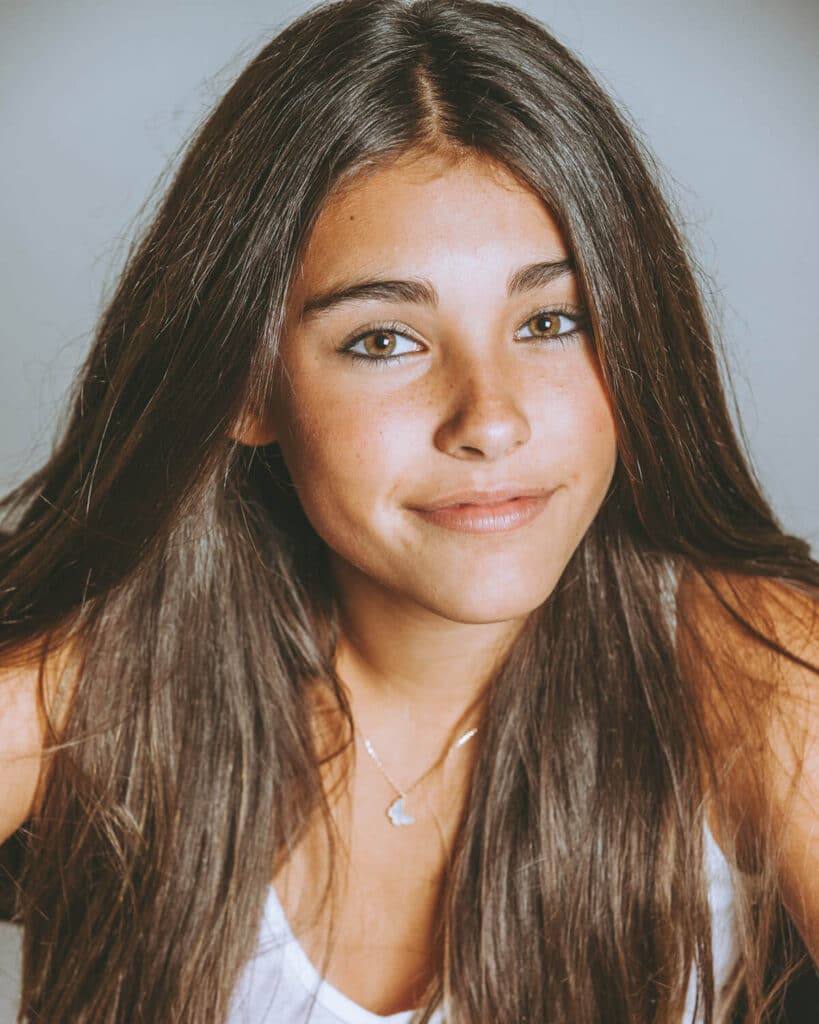
A headshot has one job: identification.
Think of it as your visual business card—clean, professional, and straightforward. Headshots appear in company directories, LinkedIn profiles, speaker bios, and team pages. They’re designed to be neutral and friction-free, typically featuring a plain background, professional lighting, and a pleasant but unremarkable expression.
The goal isn’t to create an emotional response. It’s to provide visual confirmation: “Yes, this is the person you’re looking for.”
How Brand Photography Creates Connection
Brand photography operates on an entirely different level.
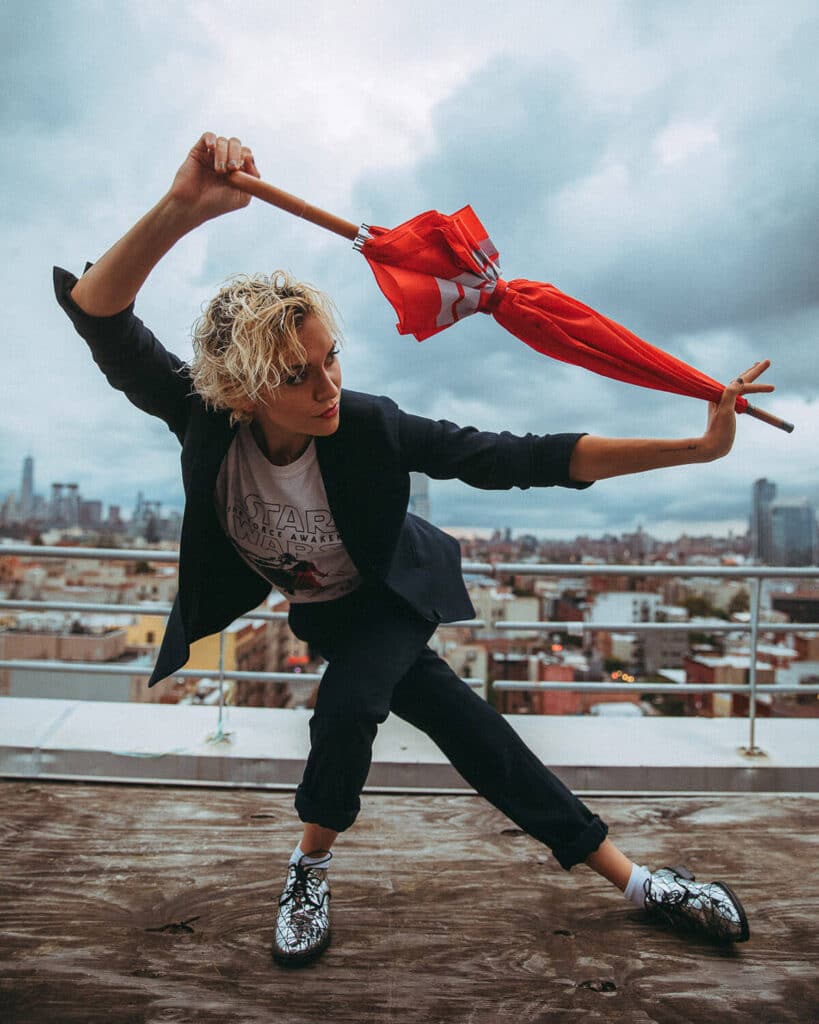
Rather than answering “What do you look like?”, it responds to a more compelling question: “What’s it like to work with you?”
Through intentional composition, environment, styling, and expression, brand photography communicates the intangibles that matter most: your personality, values, expertise, and approach. It’s visual storytelling that helps your audience understand not just who you are, but how you operate and what you stand for.
This type of photography builds trust before a single conversation happens.
Understanding the Functional Differences
The distinction becomes clear when you consider how each type of photography works in practice.
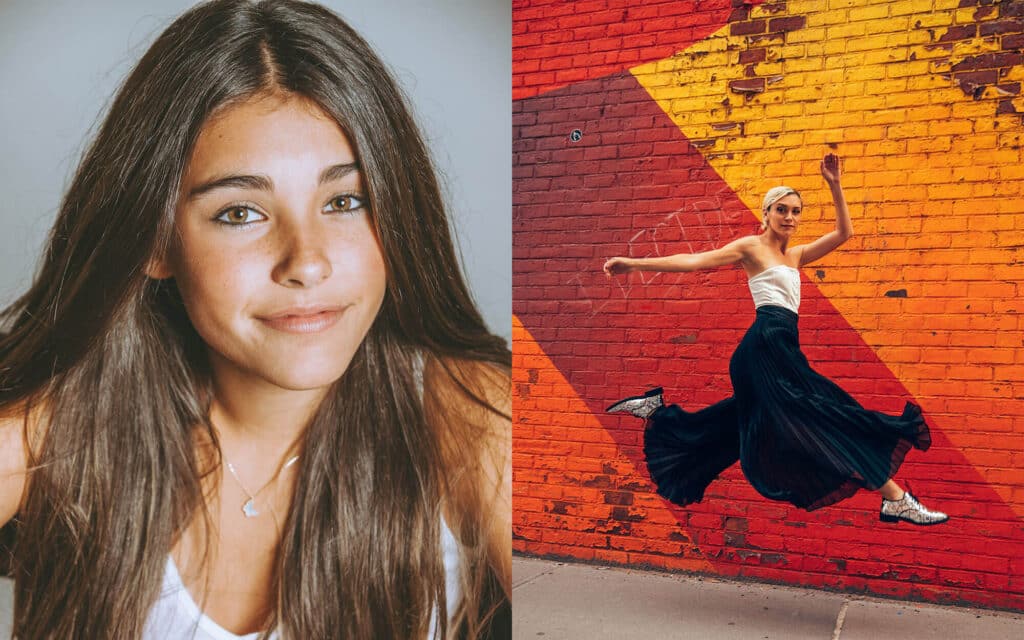
Headshots remain static and interchangeable. They could belong to anyone in your industry. Their neutrality is intentional—designed to fit into existing formats without standing out.
Brand photography, however, creates a distinctive visual narrative. It’s emotionally resonant, memorable, and impossible to replicate because it’s uniquely yours. While a headshot might get filed away in someone’s mental directory, brand photography creates moments that stick.
One helps people recognize you. The other helps them relate to you.
The Strategic Importance of Visual Distinction
In today’s saturated market, being unremarkable is the same as being invisible.
When your visual presence mirrors everyone else’s, you’re asking your message to carry all the weight of differentiation. That’s an unnecessary burden.
Strategic brand photography does more than capture images—it builds what psychologists call parasocial familiarity. Your audience feels like they know you before they’ve met you. This pre-established trust reduces friction in every interaction that follows, from initial discovery to final decision.
This explains why successful thought leaders and founders invest heavily in brand photography. They understand that visual authority compounds over time.
Choosing the Right Approach for Your Needs
Both headshots and brand photography have their place. The key is knowing when to deploy each one.
Professional headshots work best when uniformity matters—corporate environments where personality takes a backseat to professionalism, or platforms that require standardized imagery.
Brand photography becomes essential when you’re building a personal brand, establishing thought leadership, or differentiating yourself in a competitive space. It’s particularly powerful when you’re selling expertise, ideas, or transformation rather than commoditized services.
The Natural Evolution of Visual Branding
Most professionals begin with headshots because they seem like the logical starting point. Eventually, something feels missing. The images feel flat, generic, disconnected from the depth of work being done.
This realization marks the natural transition to brand photography. Not because headshots are inherently flawed, but because they’re inherently limited. As your influence expands and your message deepens, your visual presence needs to evolve accordingly.
The question isn’t whether to upgrade—it’s when you’re ready to match your visual presence to your professional evolution.
Moving Beyond Basic Recognition
If your current imagery feels misaligned with your expertise, if you’re getting lost in a sea of similar faces, or if people understand your credentials but don’t connect with your approach, the issue might not be your messaging.
It might be that your visuals haven’t caught up to who you’ve become.
Next steps:
- Explore Elevated Realism™ Brand Photography →
- Book an Identity Alchemy Call →
- See how visual authority compounds →
Because while recognition opens doors, connection builds lasting authority.


LET'S CONSPIRE & CREATE
CULTIVATING YOUR VISUAL UNIQUENESS AND STREAMLINING YOUR BRAND'S EVOLUTION

You’ve probably seen both. You might even think they’re the same thing. But there’s a fundamental difference between headshots and brand photography that changes everything about how your audience perceives you.
One simply shows your face. The other tells your story.
What Headshots Are Actually For
A headshot has one job: identification.
Think of it as your visual business card—clean, professional, and straightforward. Headshots appear in company directories, LinkedIn profiles, speaker bios, and team pages. They’re designed to be neutral and friction-free, typically featuring a plain background, professional lighting, and a pleasant but unremarkable expression.
The goal isn’t to create an emotional response. It’s to provide visual confirmation: “Yes, this is the person you’re looking for.”
How Brand Photography Creates Connection
Brand photography operates on an entirely different level.
Rather than answering “What do you look like?”, it responds to a more compelling question: “What’s it like to work with you?”
Through intentional composition, environment, styling, and expression, brand photography communicates the intangibles that matter most: your personality, values, expertise, and approach. It’s visual storytelling that helps your audience understand not just who you are, but how you operate and what you stand for.
This type of photography builds trust before a single conversation happens.
Understanding the Functional Differences
The distinction becomes clear when you consider how each type of photography works in practice.
Headshots remain static and interchangeable. They could belong to anyone in your industry. Their neutrality is intentional—designed to fit into existing formats without standing out.
Brand photography, however, creates a distinctive visual narrative. It’s emotionally resonant, memorable, and impossible to replicate because it’s uniquely yours. While a headshot might get filed away in someone’s mental directory, brand photography creates moments that stick.
One helps people recognize you. The other helps them relate to you.
The Strategic Importance of Visual Distinction
In today’s saturated market, being unremarkable is the same as being invisible.
When your visual presence mirrors everyone else’s, you’re asking your message to carry all the weight of differentiation. That’s an unnecessary burden.
Strategic brand photography does more than capture images—it builds what psychologists call parasocial familiarity. Your audience feels like they know you before they’ve met you. This pre-established trust reduces friction in every interaction that follows, from initial discovery to final decision.
This explains why successful thought leaders and founders invest heavily in brand photography. They understand that visual authority compounds over time.
Choosing the Right Approach for Your Needs
Both headshots and brand photography have their place. The key is knowing when to deploy each one.
Professional headshots work best when uniformity matters—corporate environments where personality takes a backseat to professionalism, or platforms that require standardized imagery.
Brand photography becomes essential when you’re building a personal brand, establishing thought leadership, or differentiating yourself in a competitive space. It’s particularly powerful when you’re selling expertise, ideas, or transformation rather than commoditized services.
The Natural Evolution of Visual Branding
Most professionals begin with headshots because they seem like the logical starting point. Eventually, something feels missing. The images feel flat, generic, disconnected from the depth of work being done.
This realization marks the natural transition to brand photography. Not because headshots are inherently flawed, but because they’re inherently limited. As your influence expands and your message deepens, your visual presence needs to evolve accordingly.
The question isn’t whether to upgrade—it’s when you’re ready to match your visual presence to your professional evolution.
Moving Beyond Basic Recognition
If your current imagery feels misaligned with your expertise, if you’re getting lost in a sea of similar faces, or if people understand your credentials but don’t connect with your approach, the issue might not be your messaging.
It might be that your visuals haven’t caught up to who you’ve become.
Next steps:
- Explore Elevated Realism™ Brand Photography →
- Book an Identity Alchemy Call →
- See how visual authority compounds →
Because while recognition opens doors, connection builds lasting authority.
1/02/26
What’s the Difference Between Headshots and Brand Photography?
infuse your vision with a fresh breath of creativity and vitality
BOOK A BRAND PHOTOSHOOT


GET THE DETAILS
GET THE DETAILS
infuse your vision with a fresh breath of creativity and vitality

PODCAST
BRAND INTELLIGENCE
CREATIVE INTELLIGENCE
LIFE INTELLIGENCE

masterfully aligning perception and reality through personal branding
masterfully aligning perception and reality through personal branding
You’ve probably seen both. You might even think they’re the same thing. But there’s a fundamental difference between headshots and brand photography that changes everything about how your audience perceives you.
One simply shows your face. The other tells your story.
What Headshots Are Actually For
A headshot has one job: identification.
Think of it as your visual business card—clean, professional, and straightforward. Headshots appear in company directories, LinkedIn profiles, speaker bios, and team pages. They’re designed to be neutral and friction-free, typically featuring a plain background, professional lighting, and a pleasant but unremarkable expression.
The goal isn’t to create an emotional response. It’s to provide visual confirmation: “Yes, this is the person you’re looking for.”
How Brand Photography Creates Connection
Brand photography operates on an entirely different level.
Rather than answering “What do you look like?”, it responds to a more compelling question: “What’s it like to work with you?”
Through intentional composition, environment, styling, and expression, brand photography communicates the intangibles that matter most: your personality, values, expertise, and approach. It’s visual storytelling that helps your audience understand not just who you are, but how you operate and what you stand for.
This type of photography builds trust before a single conversation happens.
Understanding the Functional Differences
The distinction becomes clear when you consider how each type of photography works in practice.
Headshots remain static and interchangeable. They could belong to anyone in your industry. Their neutrality is intentional—designed to fit into existing formats without standing out.
Brand photography, however, creates a distinctive visual narrative. It’s emotionally resonant, memorable, and impossible to replicate because it’s uniquely yours. While a headshot might get filed away in someone’s mental directory, brand photography creates moments that stick.
One helps people recognize you. The other helps them relate to you.
The Strategic Importance of Visual Distinction
In today’s saturated market, being unremarkable is the same as being invisible.
When your visual presence mirrors everyone else’s, you’re asking your message to carry all the weight of differentiation. That’s an unnecessary burden.
Strategic brand photography does more than capture images—it builds what psychologists call parasocial familiarity. Your audience feels like they know you before they’ve met you. This pre-established trust reduces friction in every interaction that follows, from initial discovery to final decision.
This explains why successful thought leaders and founders invest heavily in brand photography. They understand that visual authority compounds over time.
Choosing the Right Approach for Your Needs
Both headshots and brand photography have their place. The key is knowing when to deploy each one.
Professional headshots work best when uniformity matters—corporate environments where personality takes a backseat to professionalism, or platforms that require standardized imagery.
Brand photography becomes essential when you’re building a personal brand, establishing thought leadership, or differentiating yourself in a competitive space. It’s particularly powerful when you’re selling expertise, ideas, or transformation rather than commoditized services.
The Natural Evolution of Visual Branding
Most professionals begin with headshots because they seem like the logical starting point. Eventually, something feels missing. The images feel flat, generic, disconnected from the depth of work being done.
This realization marks the natural transition to brand photography. Not because headshots are inherently flawed, but because they’re inherently limited. As your influence expands and your message deepens, your visual presence needs to evolve accordingly.
The question isn’t whether to upgrade—it’s when you’re ready to match your visual presence to your professional evolution.
Moving Beyond Basic Recognition
If your current imagery feels misaligned with your expertise, if you’re getting lost in a sea of similar faces, or if people understand your credentials but don’t connect with your approach, the issue might not be your messaging.
It might be that your visuals haven’t caught up to who you’ve become.
Next steps:
- Explore Elevated Realism™ Brand Photography →
- Book an Identity Alchemy Call →
- See how visual authority compounds →
Because while recognition opens doors, connection builds lasting authority.
1/02/26
What’s the Difference Between Headshots and Brand Photography?
When you need a trusted creative partner in the room.
Take the Fit Check
Be seen at the level you’re stepping into.

Hey! I'm Nick.
PHOTOGRAPHER
BRAND ALCHEMIST
TEACHER
At vero eos et accusamus et iusto odio dignissimos ducimus qui blanditiis praesentium voluptatum deleniti atque corrupti quos dolores et quas molestias excepturi sint occaecati cupiditate non provident, similique sunt in culpa qui officia deserunt mollitia.
Build authority from the inside out.
Emanate is a creative-direction-led photography experience for entrepreneurs, speakers, and thought leaders in a moment of expansion. This isn’t about better photos. It’s about aligning how you’re seen with who you’ve become. For seasons of rebrand, visibility, and next-level leadership.

Magnetic Authority is a self-guided container for people who feel visible, but not fully anchored.
If your message keeps shifting, your brand feels inconsistent, or your presence doesn’t match your capability yet. This is where you build the foundation before you scale.
Take the Fit Check
Start Here
For founders, creatives, and leaders who want a trusted long-term partner. This isn’t coaching or traditional consulting.
It’s an ongoing creative partnership focused on bringing your personal brand identity to life.
Your brand. Your website. Your visuals.
All shaped as a direct extension of who you are. The work also includes a bespoke process of identifying and aligning the right experts when needed, so nothing gets built out of sync with your core.
Explore the Partnership

Quiet. Precise. Highly Selective.
NEXT post
PREVIOUS post
read the latest
Brand guidelines are static rules for the surface. A Brand Brain is a living codification of identity a team or an AI can generate from. The difference, defined.
We trained six styles of kung fu in one month. Sampling that widely taught me how a creative actually finds the practice worth years: breadth first, the pull as data, then depth.
Travel makes you more creative because unfamiliar places wake up your perception. Why the effect works, and how to bring the sharpened eye home with you.
Your brand photos lag behind you because you kept evolving and the images stayed frozen. Why the gap opens, how to spot it, and what closes it.
The kung fu school had rules: locked-in weekdays, dawn starts, push-ups for lateness. A month inside taught me that constraints you choose are what make depth possible.
A daily creative practice is making one real thing every day, however small, to stay in a proactive state. A working definition, and how to build one that lasts.

AI describes your brand by averaging your public record. How to codify one identity, repeat it everywhere, and get the machines to echo you back accurately.

I’ve photographed Justin Bieber several times and seen fame up close. His stripped-down Coachella set showed the thing I keep relearning about creative work: production amplifies, and only artistry carries.

You recover from creative burnout by treating it as a nervous system state: build real down-cycles, read your own signals, and return to the work you love.
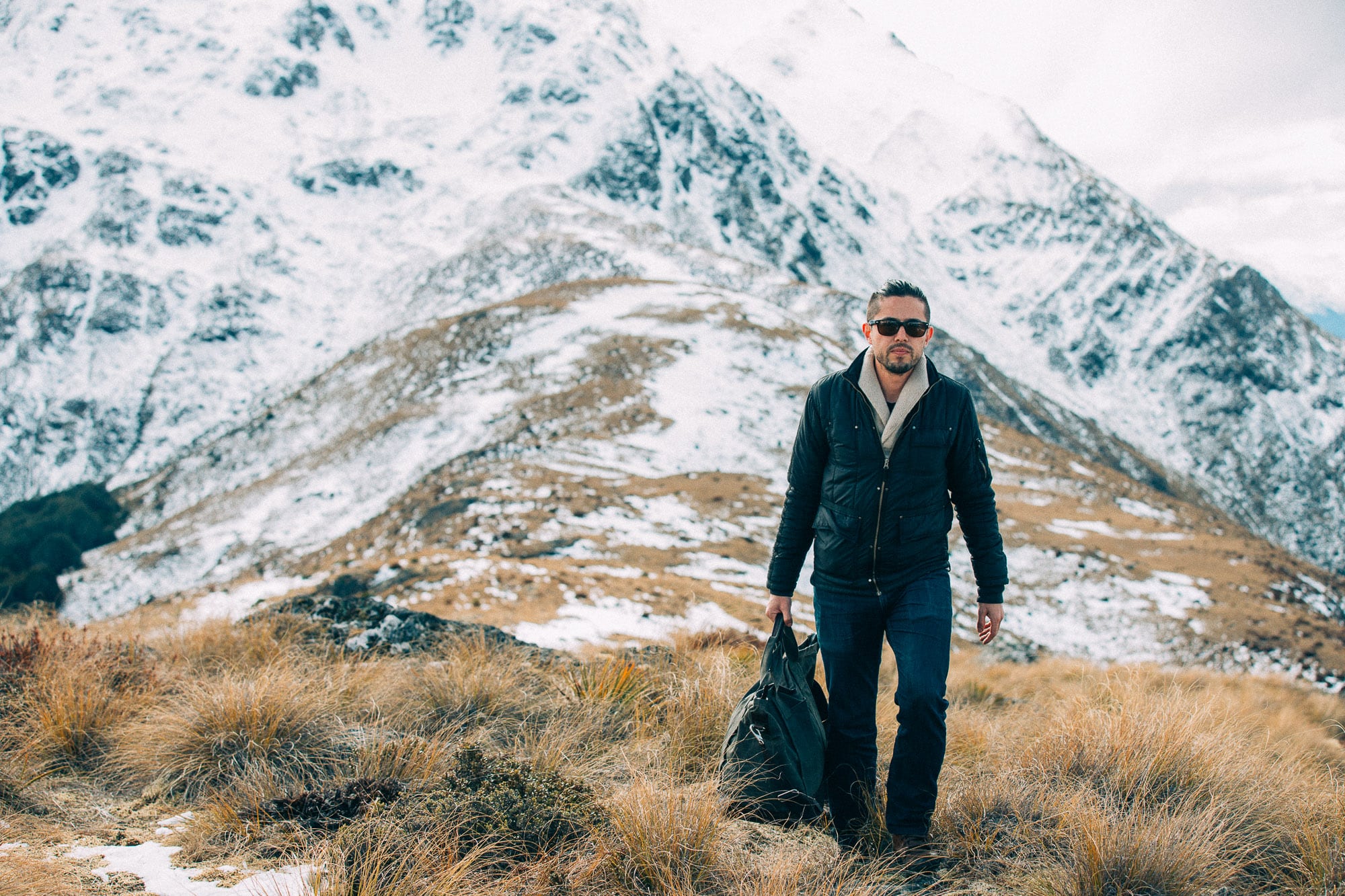
A magnetic personal brand comes from coherence and one clear through-line. Here is how entrepreneurs build one, in order, and the trap that keeps most brands scattered.
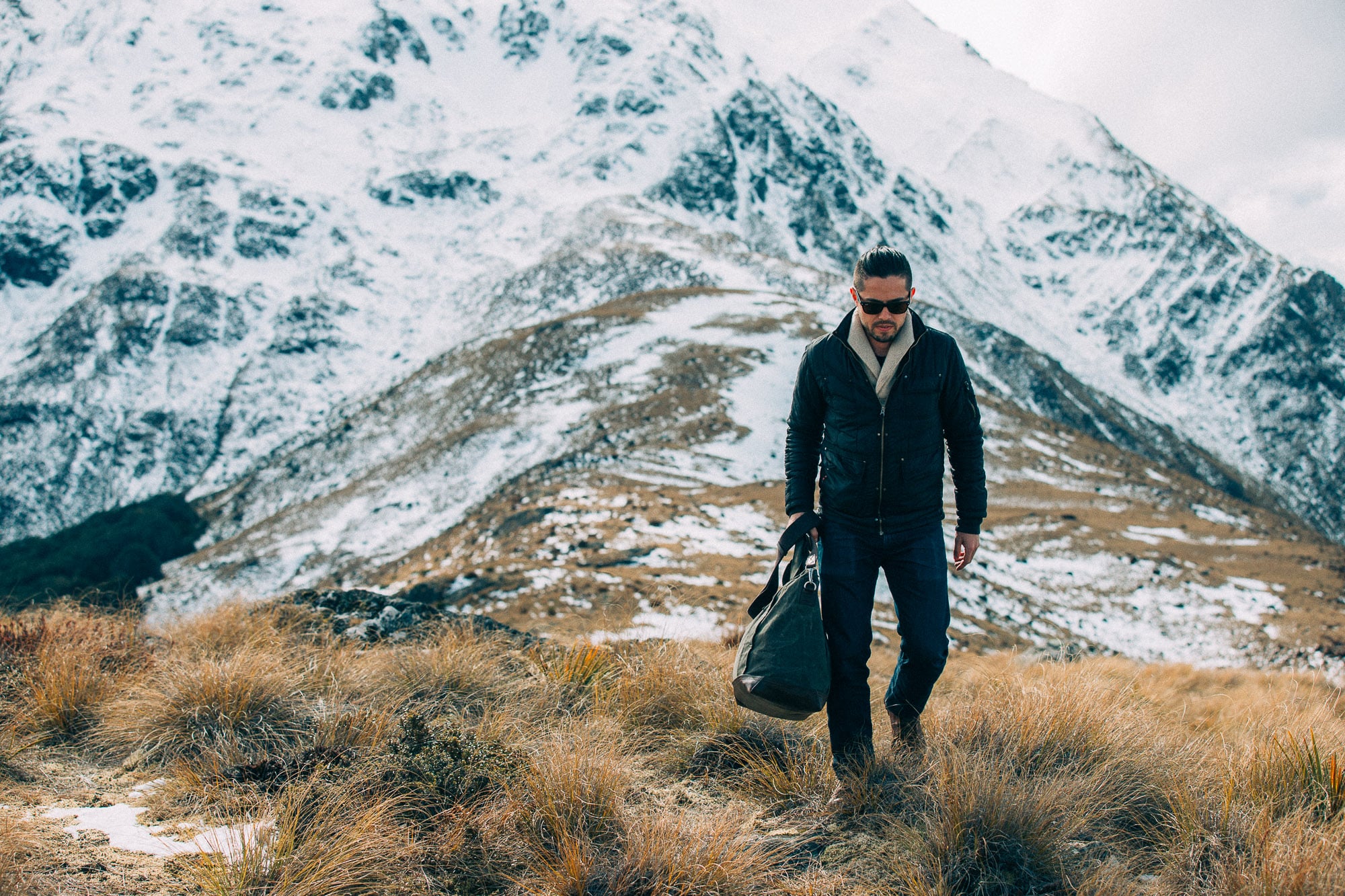
I spent a month training kung fu in Wudang at 47, the oldest and slowest learner in the room. What being a beginner again in midlife taught me about pace, comparison, and starting anyway.
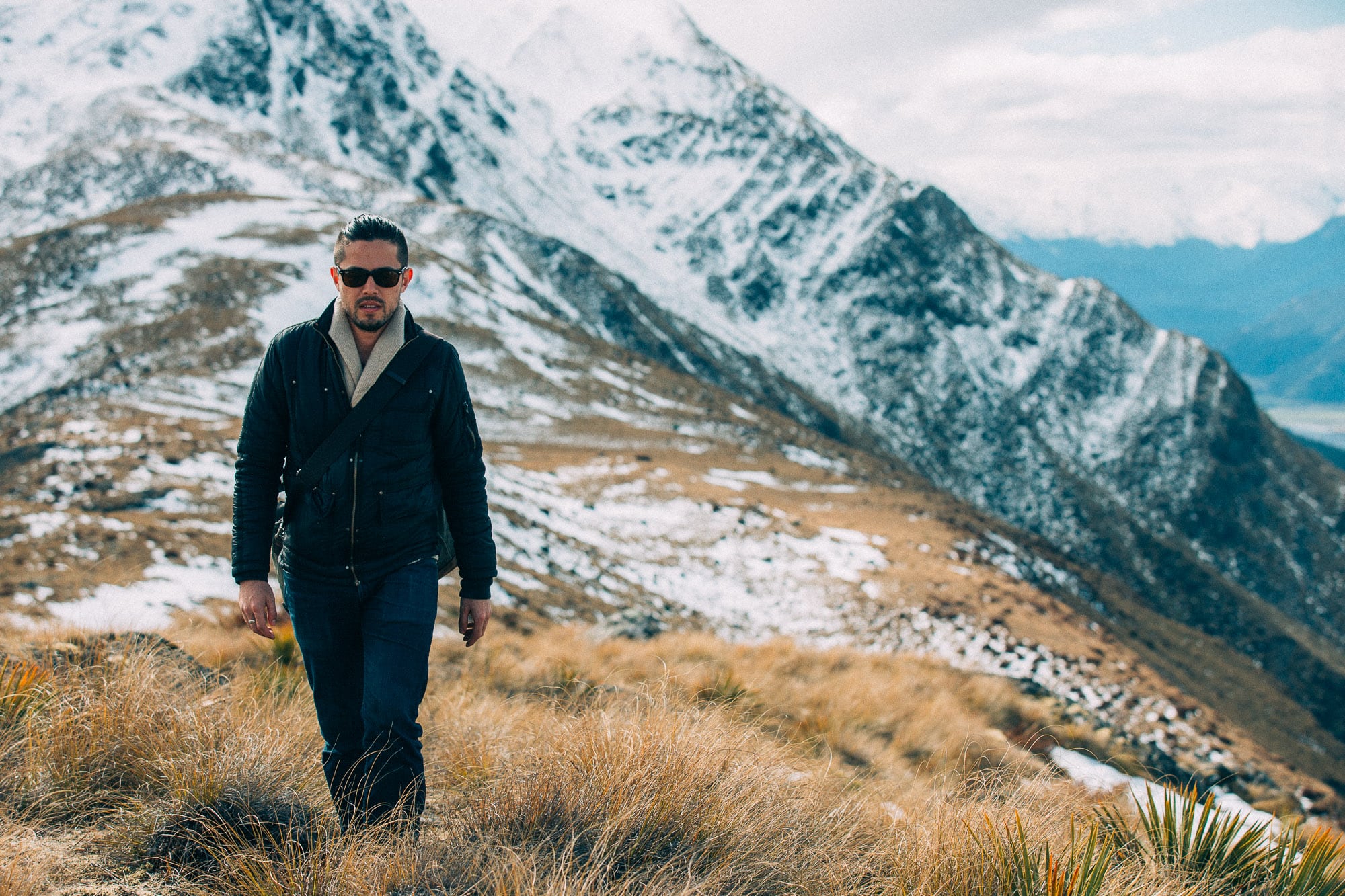
You develop taste through thousands of reps of looking closely and deciding what works. A photographer’s honest answer on how taste gets built.

You make a personal brand more coherent by naming the identity underneath it, distilling a one or two word through-line, and bringing the four layers into agreement. The full path, in order.

About the Blogger
I was born in a low middle class conservative religious family in the suburbs of Seattle. Art was and always has been my passion, and more than that a way of life. Starting as a graphic designer, I taught myself photography, built a commercial/editorial business shooting for the worlds biggest brands like Nike, Coca-Cola, Adidas and more. I've also had the opportunity to photograph the world's biggest celebrities like Justin Bieber, Usher, Jessica Alba and more. I've curated a lifestyle around creativity and have learned a lot along the way which I get to share here.
I was born in a low middle class conservative religious family in the suburbs of Seattle. Art was and always has been my passion, and more than that a way of life. Starting as a graphic designer, I taught myself photography, built a commercial/editorial business shooting for the worlds biggest brands like Nike, Coca-Cola, Adidas and more. I've also had the opportunity to photograph the world's biggest celebrities like Justin Bieber, Usher, Jessica Alba and more. I've curated a lifestyle around creativity and have learned a lot along the way which I get to share here.
