


Your personal brand feels off, but you can’t quite name why. It’s not your logo. It’s not your color palette. It’s not even your content strategy. It’s a coherence problem, a structural gap between who you actually are and how the world sees you. Most personal brands feel off because they’re built from the wrong layer. There are four layers of brand intelligence: Identity, Visual Translation, Content, and Business. Most people start at Content, which is layer three. Without identity and visual translation underneath, every piece of content is a guess, and the brand feels incoherent no matter how consistently you post.
Let me tell you how I learned this.
I had a conversation last year that I haven’t been able to shake.
A woman reached out to me. She’d been coaching for eight years. Built a six-figure practice. Clients loved her. Results were undeniable.
But she said something that stopped me cold.
"I feel like the best-kept secret in my industry."
I looked at her website. Her Instagram. Her LinkedIn.
She was right. Not because her work wasn’t extraordinary. It was. But everything around it, her visuals, her messaging, her content, the way her brand showed up in the world, none of it matched who she actually was.
There was a gap. And that gap had a name.
Coherence.
Coherence is when who you are and how you’re seen are the same thing.
When everything matches. Your website matches your expertise. Your content matches your voice. Your visuals match your depth. Your offers match your value.
When everything lines up, people trust you immediately. They can’t always explain why. They just feel it.
And when it doesn’t line up? They feel that too.
Something is off. Something doesn’t track. They might not have the words for it, but research shows visual first impressions form in as little as 50 milliseconds. Their nervous system picks up incoherence before their conscious mind can name it.
Incoherence is a $500K coach with a Canva logo. It’s a world-class speaker with an amateur website. It’s someone who is brilliant in conversation but invisible online. The gap between what you’re capable of and what people see: that’s incoherence. That’s the brand identity crisis most thought leaders don’t realize they have.
And here’s what I’ve learned after 20 years of photographing personal brands.
That gap is almost never about your logo.

The Real Reason Your Personal Brand Doesn’t Feel Right
Most people assume the problem is tactical.
The logo needs updating. The website needs a redesign. The content strategy needs more consistency. The color palette isn’t quite right.
So they fix the tactics. New logo. New website. New posting schedule.
And three months later? Same feeling. Something still off.
I’ve seen this cycle hundreds of times. Talented people investing in the surface while the foundation stays cracked.
The problem isn’t tactical. It’s structural.
Your brand is built in layers. And most people are building from the wrong one.
Brand intelligence is built in four layers. Most people start at layer three.
Here’s what I mean.
The Four Layers of Brand Intelligence
Think of your brand like a building. Four floors. Each one holds up the one above it.
Layer 1: Identity.
Who you actually are. Your values, your philosophy, what you stand for. Not your elevator pitch. The truth underneath it.
Layer 2: Visual Translation.
Visual Translation is the process of turning identity into perceivable brand assets: your design system, your voice, your photography, your visual language. It’s the layer between knowing who you are and the world being able to see it.
Layer 3: Content.
What you create and share with the world. Blog posts, social media, podcasts, videos. Your signal.
Layer 4: Business.
The infrastructure that converts attention into revenue. Your offers, your sales systems, your funnels, your follow-up.
Most people start at Layer 3. They open Instagram and ask, "What should I post?"
Before they’ve answered, "Who am I, really?"
Before they’ve answered, "What does my brand look like and sound like?"
Before they’ve built anything underneath the content.
And then they wonder why it all feels off.
It feels off because it is off. You’re building on a layer that has nothing below it. Content without identity is noise. A sales page without a voice is generic. An offer without clarity attracts the wrong people.
Brand intelligence is the architecture underneath your brand, the system of identity, design, content, and business decisions that makes everything coherent. Without it, you’re guessing at every touchpoint. With it, every decision reinforces the one before it.
The fix isn’t more content. The fix isn’t a rebrand. The fix is going back to the layer you skipped.

Why This Isn’t a Design Problem
I come from design. Twenty-plus years as a photographer and creative director. I’ve shot campaigns for Nike, Coca-Cola, Adidas. I’ve photographed Justin Bieber, Usher, Jessica Alba. I’ve directed Elevated Realism™ shoots for coaches, consultants, speakers, and founders building thought leadership brands.
And here’s what I can tell you from that experience.
Nobody in the personal brand space comes from a design background. Most personal brand coaches, strategists, and consultants come from marketing or coaching or business. They teach positioning. They teach funnels. They teach content.
They skip the entire design layer.
Because they can’t see it.
I can.
I’ve watched people invest $50,000 in coaching, masterminds, and ad spend. Then invest $500 in their visual identity. A Fiverr logo. A template website. Stock photos that look like everyone else’s.
Guess what their brand looks like?
A $500 brand.
Regardless of the $50,000 invested in everything else.
The design layer isn’t decoration. It’s infrastructure. And it comes before the website. Before the content. Before the sales page. This is what I call the Visual Frequency of Authority™, the idea that your visual presence broadcasts a signal about your credibility before you ever say a word.
Your brand identity is not your logo. It’s the intelligence system underneath every visual and verbal decision. The logo, the website, the photography, the content, those are outputs. The foundation is the input. Build the input first.
Brand Alignment vs. Brand Aesthetics
There’s a distinction here that most people miss. And it’s the difference between a brand that looks good and a brand that actually works.
Brand aesthetics is how your brand looks. The colors, the fonts, the imagery. The surface layer.
Brand alignment is whether all of those choices actually reflect who you are.
You can have beautiful aesthetics and zero alignment. Happens all the time. Someone hires a designer, picks a gorgeous color palette, gets a clean website built. It looks incredible.
But it doesn’t feel like them.
Because the designer was working without a brief. Without a deep understanding of the person’s identity, philosophy, voice, and values. They were designing from aesthetics, not from truth. There was no brand perception strategy, just decoration.
That’s the difference between a brand that looks good and a brand that feels right. Between a polished online presence and a magnetic one.
When your brand is aligned, everything you do amplifies it. Your content reinforces your identity. Your visuals reinforce your message. Your offers reinforce your brand positioning.
When it’s not aligned, everything you do dilutes it. Every post creates a slightly different impression. Every touchpoint tells a slightly different story. The audience can’t form a clear picture because there isn’t one. Brand trust erodes because the signal keeps shifting.
Alignment isn’t a vibe. It’s architecture.
The Coherence Test
Here’s a simple way to find out where the gap is.
Four questions. One for each layer. Answer honestly.
Layer 1, Identity: Can you describe what makes you fundamentally different from others in your space, in one sentence, without mentioning what you do?
Layer 2, Visual Translation: If you handed your brand to a designer and a photographer tomorrow, could you give them a document that tells them exactly what to build and capture?
Layer 3, Content: Can one piece of content from your brand travel across five platforms without losing coherence?
Layer 4, Business: If 1,000 people discovered you tomorrow, how many would become clients, and through what path?
Most people fail at least two of these.
That’s not a criticism. It’s a diagnosis. And a diagnosis is useful because it tells you exactly where to focus.
If you failed Layer 1, stop tweaking your personal brand strategy. Go deeper. Figure out who you are first.
If you failed Layer 2, stop redesigning your website. Build the intelligence system that tells the designer what to create.
If you failed Layer 3, the problem probably isn’t your content. It’s that your content has no identity or design direction underneath it.
If you failed Layer 4, you have visibility but no infrastructure. People find you but have nowhere to go.
The layers build on each other. Fix them in order. Not because it’s faster, but because each layer makes the next one exponentially more effective.

What Coherence Actually Looks Like
You’ve experienced it before. You just didn’t have the word for it.
You’ve met someone and immediately trusted them. Before they said anything meaningful. Before you saw their credentials. You just felt it.
Everything about them lined up. Their energy, their presence, the way they looked, the way they spoke. It all matched.
That’s coherence.
And you’ve met someone where something felt off. They looked polished but felt hollow. Said the right things but you didn’t believe them. The resume was impressive but you walked away thinking, "I don’t know. Something’s not right."
That’s incoherence.
Same level of expertise in both cases. Different signal.
The signal is the brand. And the signal is either clear or it’s not.
When I photograph someone whose brand is coherent, I’m not creating anything new. I’m capturing what’s already true. The Elevated Realism™ approach works because it doesn’t manufacture authority. It reveals it. The camera sees what the audience sees: alignment.
When I photograph someone whose brand is incoherent, no amount of lighting or styling can fix it. Because the issue isn’t visual. It’s structural. The layers underneath aren’t built.
Content fills a calendar. Signal builds authority. Signal is content with identity underneath it, design direction guiding it, and strategy pointing it somewhere specific. That’s the difference between posting and building.
The Way Forward
The coherence problem has a fix. It’s not mysterious. It’s not abstract. It’s just a different order of operations than most people follow.
Instead of starting with "What should I post?" start with "Who am I, really?"
Instead of starting with a website redesign, start with the document that tells the designer what to build.
Instead of starting with a content calendar, start with a voice and visual system that makes every piece of content unmistakably yours.
Build from the inside out. Identity first. Translation second. Content third. Business fourth.
Here are three things you can do today:
First, take the Coherence Test above. Write down your answers to all four diagnostic questions. Be honest. The layers where you hesitate or can’t answer clearly are the layers that need work. That’s your starting point.
Second, audit your touchpoints. Open your website, your Instagram, and your LinkedIn side by side. Do they look and sound like they come from the same person? If they feel like three different brands, that’s a Layer 2 problem. Your visual and verbal identity isn’t codified.
Third, stop fixing Layer 3 with Layer 3 solutions. If your content isn’t working, resist the urge to post more, try new formats, or switch platforms. Ask which layer underneath is actually broken. Usually it’s Layer 1 or Layer 2.
That’s how coherence works. Each layer holds up the next. Skip one and everything above it wobbles.
I’ve spent 20 years watching this play out, working with clients from first-time coaches to people like Lewis Howes and Gabby Bernstein. The brands that grow are the ones where everything matches. Not because they have the best content strategy or the biggest ad budget. Because they’re coherent.
And coherence is buildable. It’s an architecture, not a talent. You don’t need to be a designer. You don’t need to be a branding expert. You just need to build the layers in the right order.
Frequently Asked Questions
Why does my personal brand feel incoherent?
Your brand feels incoherent when there’s a gap between who you are and how you’re perceived online. This usually happens because one or more foundational layers are missing. Most commonly, people skip identity work and visual translation, jumping straight to content creation. Without those foundations, every piece of content is a guess. Closing the gap requires building the layers in order: identity, visual translation, content, then business infrastructure.
What is brand coherence in personal branding?
Brand coherence means everything matches. Your website matches your expertise. Your content matches your voice. Your visuals match your depth. Your offers match your value. When coherence is present, people trust you immediately, often before they can articulate why. When it’s absent, something feels off, even if the individual pieces look polished. Coherence is not a feeling. It’s an architecture built from the inside out.
How do I fix a personal brand that feels off?
Start by identifying which layer is broken. There are four layers of brand intelligence: Identity (who you are), Visual Translation (how identity becomes visible), Content (what you share), and Business (how you convert). Most personal brands that feel "off" have skipped Layer 1 or Layer 2. The fix isn’t more content or a new website. The fix is going back to the foundational layer you skipped and building it properly before rebuilding everything above it.
What are the four layers of brand intelligence?
The four layers are Identity, Visual Translation, Content, and Business. Identity is who you are at the deepest level, your values, philosophy, and what makes you fundamentally different. Visual Translation is how that identity becomes perceivable through design, voice, photography, and visual language. Content is what you create and share to build authority. Business is the infrastructure that converts attention into revenue. Each layer depends on the one below it. Skip a layer and everything above it becomes unstable.
What is visual translation in personal branding?
Visual Translation is the process of turning your identity into perceivable brand assets that other people and tools can use. This includes your brand design system, your documented voice, your photography direction, your signature frameworks, and your visual language. It’s the layer most personal brands skip entirely, jumping straight from "I know who I am" to "let me start posting content." Without Visual Translation, designers and photographers work without a brief, and the result looks generic regardless of how much you invest.
How do I know if my personal brand is working?
Run the Coherence Test. Ask yourself four questions, one for each layer: Can you describe your difference in one sentence without mentioning what you do? Could you hand a designer a document that tells them exactly what to build? Can your content travel across five platforms without losing coherence? If 1,000 people found you tomorrow, how many would become clients and through what path? Most people fail at least two. The ones you fail reveal exactly where the work is.
Three Things to Take With You
1. The coherence problem is structural, not cosmetic. If your brand feels off, don’t redesign the surface. Diagnose which layer is missing and build from there.
2. Brand intelligence is built in four layers, and the order matters. Identity. Visual Translation. Content. Business. Each one holds up the next. Skip one and everything above it wobbles.
3. Coherence is buildable. It’s not a talent or a vibe. It’s an architecture. And like any architecture, it starts with a foundation. Build the inside first. Let the outside follow.
If something in this landed, sit with it.
Look at your brand today. Not the content, not the website, not the logo. Look at the layers underneath. Ask yourself the four questions. See which ones you can answer clearly and which ones make you pause.
That pause is information.
It’s telling you where the work is.


LET'S CONSPIRE & CREATE
CULTIVATING YOUR VISUAL UNIQUENESS AND STREAMLINING YOUR BRAND'S EVOLUTION

Your personal brand feels off, but you can’t quite name why. It’s not your logo. It’s not your color palette. It’s not even your content strategy. It’s a coherence problem, a structural gap between who you actually are and how the world sees you. Most personal brands feel off because they’re built from the wrong layer. There are four layers of brand intelligence: Identity, Visual Translation, Content, and Business. Most people start at Content, which is layer three. Without identity and visual translation underneath, every piece of content is a guess, and the brand feels incoherent no matter how consistently you post.
Let me tell you how I learned this.
I had a conversation last year that I haven’t been able to shake.
A woman reached out to me. She’d been coaching for eight years. Built a six-figure practice. Clients loved her. Results were undeniable.
But she said something that stopped me cold.
"I feel like the best-kept secret in my industry."
I looked at her website. Her Instagram. Her LinkedIn.
She was right. Not because her work wasn’t extraordinary. It was. But everything around it, her visuals, her messaging, her content, the way her brand showed up in the world, none of it matched who she actually was.
There was a gap. And that gap had a name.
Coherence.
Coherence is when who you are and how you’re seen are the same thing.
When everything matches. Your website matches your expertise. Your content matches your voice. Your visuals match your depth. Your offers match your value.
When everything lines up, people trust you immediately. They can’t always explain why. They just feel it.
And when it doesn’t line up? They feel that too.
Something is off. Something doesn’t track. They might not have the words for it, but research shows visual first impressions form in as little as 50 milliseconds. Their nervous system picks up incoherence before their conscious mind can name it.
Incoherence is a $500K coach with a Canva logo. It’s a world-class speaker with an amateur website. It’s someone who is brilliant in conversation but invisible online. The gap between what you’re capable of and what people see: that’s incoherence. That’s the brand identity crisis most thought leaders don’t realize they have.
And here’s what I’ve learned after 20 years of photographing personal brands.
That gap is almost never about your logo.
The Real Reason Your Personal Brand Doesn’t Feel Right
Most people assume the problem is tactical.
The logo needs updating. The website needs a redesign. The content strategy needs more consistency. The color palette isn’t quite right.
So they fix the tactics. New logo. New website. New posting schedule.
And three months later? Same feeling. Something still off.
I’ve seen this cycle hundreds of times. Talented people investing in the surface while the foundation stays cracked.
The problem isn’t tactical. It’s structural.
Your brand is built in layers. And most people are building from the wrong one.
Brand intelligence is built in four layers. Most people start at layer three.
Here’s what I mean.
The Four Layers of Brand Intelligence
Think of your brand like a building. Four floors. Each one holds up the one above it.
Layer 1: Identity.
Who you actually are. Your values, your philosophy, what you stand for. Not your elevator pitch. The truth underneath it.
Layer 2: Visual Translation.
Visual Translation is the process of turning identity into perceivable brand assets: your design system, your voice, your photography, your visual language. It’s the layer between knowing who you are and the world being able to see it.
Layer 3: Content.
What you create and share with the world. Blog posts, social media, podcasts, videos. Your signal.
Layer 4: Business.
The infrastructure that converts attention into revenue. Your offers, your sales systems, your funnels, your follow-up.
Most people start at Layer 3. They open Instagram and ask, "What should I post?"
Before they’ve answered, "Who am I, really?"
Before they’ve answered, "What does my brand look like and sound like?"
Before they’ve built anything underneath the content.
And then they wonder why it all feels off.
It feels off because it is off. You’re building on a layer that has nothing below it. Content without identity is noise. A sales page without a voice is generic. An offer without clarity attracts the wrong people.
Brand intelligence is the architecture underneath your brand, the system of identity, design, content, and business decisions that makes everything coherent. Without it, you’re guessing at every touchpoint. With it, every decision reinforces the one before it.
The fix isn’t more content. The fix isn’t a rebrand. The fix is going back to the layer you skipped.
Why This Isn’t a Design Problem
I come from design. Twenty-plus years as a photographer and creative director. I’ve shot campaigns for Nike, Coca-Cola, Adidas. I’ve photographed Justin Bieber, Usher, Jessica Alba. I’ve directed Elevated Realism™ shoots for coaches, consultants, speakers, and founders building thought leadership brands.
And here’s what I can tell you from that experience.
Nobody in the personal brand space comes from a design background. Most personal brand coaches, strategists, and consultants come from marketing or coaching or business. They teach positioning. They teach funnels. They teach content.
They skip the entire design layer.
Because they can’t see it.
I can.
I’ve watched people invest $50,000 in coaching, masterminds, and ad spend. Then invest $500 in their visual identity. A Fiverr logo. A template website. Stock photos that look like everyone else’s.
Guess what their brand looks like?
A $500 brand.
Regardless of the $50,000 invested in everything else.
The design layer isn’t decoration. It’s infrastructure. And it comes before the website. Before the content. Before the sales page. This is what I call the Visual Frequency of Authority™, the idea that your visual presence broadcasts a signal about your credibility before you ever say a word.
Your brand identity is not your logo. It’s the intelligence system underneath every visual and verbal decision. The logo, the website, the photography, the content, those are outputs. The foundation is the input. Build the input first.
Brand Alignment vs. Brand Aesthetics
There’s a distinction here that most people miss. And it’s the difference between a brand that looks good and a brand that actually works.
Brand aesthetics is how your brand looks. The colors, the fonts, the imagery. The surface layer.
Brand alignment is whether all of those choices actually reflect who you are.
You can have beautiful aesthetics and zero alignment. Happens all the time. Someone hires a designer, picks a gorgeous color palette, gets a clean website built. It looks incredible.
But it doesn’t feel like them.
Because the designer was working without a brief. Without a deep understanding of the person’s identity, philosophy, voice, and values. They were designing from aesthetics, not from truth. There was no brand perception strategy, just decoration.
That’s the difference between a brand that looks good and a brand that feels right. Between a polished online presence and a magnetic one.
When your brand is aligned, everything you do amplifies it. Your content reinforces your identity. Your visuals reinforce your message. Your offers reinforce your brand positioning.
When it’s not aligned, everything you do dilutes it. Every post creates a slightly different impression. Every touchpoint tells a slightly different story. The audience can’t form a clear picture because there isn’t one. Brand trust erodes because the signal keeps shifting.
Alignment isn’t a vibe. It’s architecture.
The Coherence Test
Here’s a simple way to find out where the gap is.
Four questions. One for each layer. Answer honestly.
Layer 1, Identity: Can you describe what makes you fundamentally different from others in your space, in one sentence, without mentioning what you do?
Layer 2, Visual Translation: If you handed your brand to a designer and a photographer tomorrow, could you give them a document that tells them exactly what to build and capture?
Layer 3, Content: Can one piece of content from your brand travel across five platforms without losing coherence?
Layer 4, Business: If 1,000 people discovered you tomorrow, how many would become clients, and through what path?
Most people fail at least two of these.
That’s not a criticism. It’s a diagnosis. And a diagnosis is useful because it tells you exactly where to focus.
If you failed Layer 1, stop tweaking your personal brand strategy. Go deeper. Figure out who you are first.
If you failed Layer 2, stop redesigning your website. Build the intelligence system that tells the designer what to create.
If you failed Layer 3, the problem probably isn’t your content. It’s that your content has no identity or design direction underneath it.
If you failed Layer 4, you have visibility but no infrastructure. People find you but have nowhere to go.
The layers build on each other. Fix them in order. Not because it’s faster, but because each layer makes the next one exponentially more effective.
What Coherence Actually Looks Like
You’ve experienced it before. You just didn’t have the word for it.
You’ve met someone and immediately trusted them. Before they said anything meaningful. Before you saw their credentials. You just felt it.
Everything about them lined up. Their energy, their presence, the way they looked, the way they spoke. It all matched.
That’s coherence.
And you’ve met someone where something felt off. They looked polished but felt hollow. Said the right things but you didn’t believe them. The resume was impressive but you walked away thinking, "I don’t know. Something’s not right."
That’s incoherence.
Same level of expertise in both cases. Different signal.
The signal is the brand. And the signal is either clear or it’s not.
When I photograph someone whose brand is coherent, I’m not creating anything new. I’m capturing what’s already true. The Elevated Realism™ approach works because it doesn’t manufacture authority. It reveals it. The camera sees what the audience sees: alignment.
When I photograph someone whose brand is incoherent, no amount of lighting or styling can fix it. Because the issue isn’t visual. It’s structural. The layers underneath aren’t built.
Content fills a calendar. Signal builds authority. Signal is content with identity underneath it, design direction guiding it, and strategy pointing it somewhere specific. That’s the difference between posting and building.
The Way Forward
The coherence problem has a fix. It’s not mysterious. It’s not abstract. It’s just a different order of operations than most people follow.
Instead of starting with "What should I post?" start with "Who am I, really?"
Instead of starting with a website redesign, start with the document that tells the designer what to build.
Instead of starting with a content calendar, start with a voice and visual system that makes every piece of content unmistakably yours.
Build from the inside out. Identity first. Translation second. Content third. Business fourth.
Here are three things you can do today:
First, take the Coherence Test above. Write down your answers to all four diagnostic questions. Be honest. The layers where you hesitate or can’t answer clearly are the layers that need work. That’s your starting point.
Second, audit your touchpoints. Open your website, your Instagram, and your LinkedIn side by side. Do they look and sound like they come from the same person? If they feel like three different brands, that’s a Layer 2 problem. Your visual and verbal identity isn’t codified.
Third, stop fixing Layer 3 with Layer 3 solutions. If your content isn’t working, resist the urge to post more, try new formats, or switch platforms. Ask which layer underneath is actually broken. Usually it’s Layer 1 or Layer 2.
That’s how coherence works. Each layer holds up the next. Skip one and everything above it wobbles.
I’ve spent 20 years watching this play out, working with clients from first-time coaches to people like Lewis Howes and Gabby Bernstein. The brands that grow are the ones where everything matches. Not because they have the best content strategy or the biggest ad budget. Because they’re coherent.
And coherence is buildable. It’s an architecture, not a talent. You don’t need to be a designer. You don’t need to be a branding expert. You just need to build the layers in the right order.
Frequently Asked Questions
Why does my personal brand feel incoherent?
Your brand feels incoherent when there’s a gap between who you are and how you’re perceived online. This usually happens because one or more foundational layers are missing. Most commonly, people skip identity work and visual translation, jumping straight to content creation. Without those foundations, every piece of content is a guess. Closing the gap requires building the layers in order: identity, visual translation, content, then business infrastructure.
What is brand coherence in personal branding?
Brand coherence means everything matches. Your website matches your expertise. Your content matches your voice. Your visuals match your depth. Your offers match your value. When coherence is present, people trust you immediately, often before they can articulate why. When it’s absent, something feels off, even if the individual pieces look polished. Coherence is not a feeling. It’s an architecture built from the inside out.
How do I fix a personal brand that feels off?
Start by identifying which layer is broken. There are four layers of brand intelligence: Identity (who you are), Visual Translation (how identity becomes visible), Content (what you share), and Business (how you convert). Most personal brands that feel "off" have skipped Layer 1 or Layer 2. The fix isn’t more content or a new website. The fix is going back to the foundational layer you skipped and building it properly before rebuilding everything above it.
What are the four layers of brand intelligence?
The four layers are Identity, Visual Translation, Content, and Business. Identity is who you are at the deepest level, your values, philosophy, and what makes you fundamentally different. Visual Translation is how that identity becomes perceivable through design, voice, photography, and visual language. Content is what you create and share to build authority. Business is the infrastructure that converts attention into revenue. Each layer depends on the one below it. Skip a layer and everything above it becomes unstable.
What is visual translation in personal branding?
Visual Translation is the process of turning your identity into perceivable brand assets that other people and tools can use. This includes your brand design system, your documented voice, your photography direction, your signature frameworks, and your visual language. It’s the layer most personal brands skip entirely, jumping straight from "I know who I am" to "let me start posting content." Without Visual Translation, designers and photographers work without a brief, and the result looks generic regardless of how much you invest.
How do I know if my personal brand is working?
Run the Coherence Test. Ask yourself four questions, one for each layer: Can you describe your difference in one sentence without mentioning what you do? Could you hand a designer a document that tells them exactly what to build? Can your content travel across five platforms without losing coherence? If 1,000 people found you tomorrow, how many would become clients and through what path? Most people fail at least two. The ones you fail reveal exactly where the work is.
Three Things to Take With You
1. The coherence problem is structural, not cosmetic. If your brand feels off, don’t redesign the surface. Diagnose which layer is missing and build from there.
2. Brand intelligence is built in four layers, and the order matters. Identity. Visual Translation. Content. Business. Each one holds up the next. Skip one and everything above it wobbles.
3. Coherence is buildable. It’s not a talent or a vibe. It’s an architecture. And like any architecture, it starts with a foundation. Build the inside first. Let the outside follow.
If something in this landed, sit with it.
Look at your brand today. Not the content, not the website, not the logo. Look at the layers underneath. Ask yourself the four questions. See which ones you can answer clearly and which ones make you pause.
That pause is information.
It’s telling you where the work is.

4/13/26
Why Your Brand Feels Off (And It’s Not Your Logo)
infuse your vision with a fresh breath of creativity and vitality
BOOK A BRAND PHOTOSHOOT


GET THE DETAILS
GET THE DETAILS
infuse your vision with a fresh breath of creativity and vitality

PODCAST
BRAND INTELLIGENCE
CREATIVE INTELLIGENCE
LIFE INTELLIGENCE

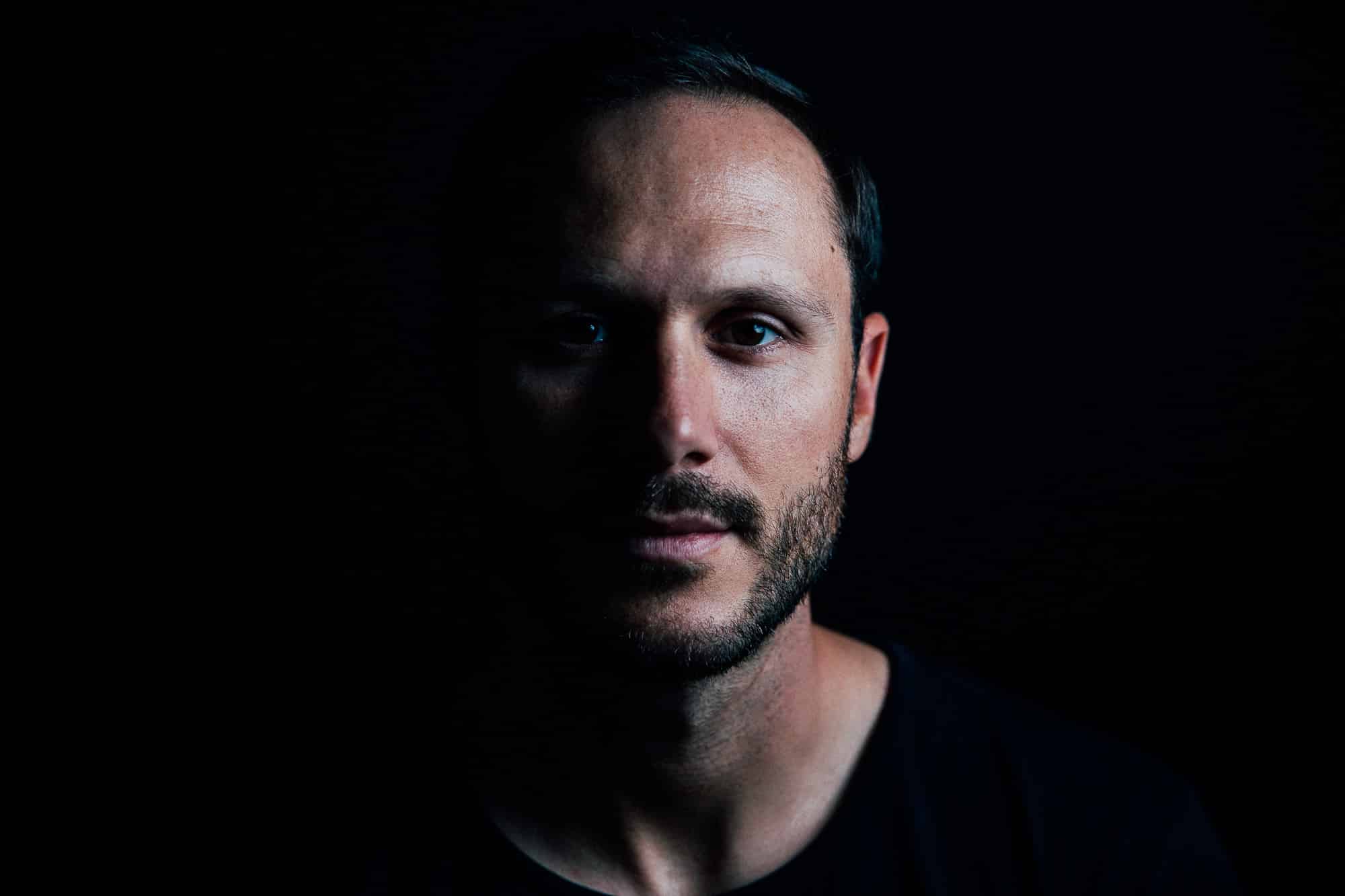
masterfully aligning perception and reality through personal branding



masterfully aligning perception and reality through personal branding


Your personal brand feels off, but you can’t quite name why. It’s not your logo. It’s not your color palette. It’s not even your content strategy. It’s a coherence problem, a structural gap between who you actually are and how the world sees you. Most personal brands feel off because they’re built from the wrong layer. There are four layers of brand intelligence: Identity, Visual Translation, Content, and Business. Most people start at Content, which is layer three. Without identity and visual translation underneath, every piece of content is a guess, and the brand feels incoherent no matter how consistently you post.
Let me tell you how I learned this.
I had a conversation last year that I haven’t been able to shake.
A woman reached out to me. She’d been coaching for eight years. Built a six-figure practice. Clients loved her. Results were undeniable.
But she said something that stopped me cold.
"I feel like the best-kept secret in my industry."
I looked at her website. Her Instagram. Her LinkedIn.
She was right. Not because her work wasn’t extraordinary. It was. But everything around it, her visuals, her messaging, her content, the way her brand showed up in the world, none of it matched who she actually was.
There was a gap. And that gap had a name.
Coherence.
Coherence is when who you are and how you’re seen are the same thing.
When everything matches. Your website matches your expertise. Your content matches your voice. Your visuals match your depth. Your offers match your value.
When everything lines up, people trust you immediately. They can’t always explain why. They just feel it.
And when it doesn’t line up? They feel that too.
Something is off. Something doesn’t track. They might not have the words for it, but research shows visual first impressions form in as little as 50 milliseconds. Their nervous system picks up incoherence before their conscious mind can name it.
Incoherence is a $500K coach with a Canva logo. It’s a world-class speaker with an amateur website. It’s someone who is brilliant in conversation but invisible online. The gap between what you’re capable of and what people see: that’s incoherence. That’s the brand identity crisis most thought leaders don’t realize they have.
And here’s what I’ve learned after 20 years of photographing personal brands.
That gap is almost never about your logo.
The Real Reason Your Personal Brand Doesn’t Feel Right
Most people assume the problem is tactical.
The logo needs updating. The website needs a redesign. The content strategy needs more consistency. The color palette isn’t quite right.
So they fix the tactics. New logo. New website. New posting schedule.
And three months later? Same feeling. Something still off.
I’ve seen this cycle hundreds of times. Talented people investing in the surface while the foundation stays cracked.
The problem isn’t tactical. It’s structural.
Your brand is built in layers. And most people are building from the wrong one.
Brand intelligence is built in four layers. Most people start at layer three.
Here’s what I mean.
The Four Layers of Brand Intelligence
Think of your brand like a building. Four floors. Each one holds up the one above it.
Layer 1: Identity.
Who you actually are. Your values, your philosophy, what you stand for. Not your elevator pitch. The truth underneath it.
Layer 2: Visual Translation.
Visual Translation is the process of turning identity into perceivable brand assets: your design system, your voice, your photography, your visual language. It’s the layer between knowing who you are and the world being able to see it.
Layer 3: Content.
What you create and share with the world. Blog posts, social media, podcasts, videos. Your signal.
Layer 4: Business.
The infrastructure that converts attention into revenue. Your offers, your sales systems, your funnels, your follow-up.
Most people start at Layer 3. They open Instagram and ask, "What should I post?"
Before they’ve answered, "Who am I, really?"
Before they’ve answered, "What does my brand look like and sound like?"
Before they’ve built anything underneath the content.
And then they wonder why it all feels off.
It feels off because it is off. You’re building on a layer that has nothing below it. Content without identity is noise. A sales page without a voice is generic. An offer without clarity attracts the wrong people.
Brand intelligence is the architecture underneath your brand, the system of identity, design, content, and business decisions that makes everything coherent. Without it, you’re guessing at every touchpoint. With it, every decision reinforces the one before it.
The fix isn’t more content. The fix isn’t a rebrand. The fix is going back to the layer you skipped.
Why This Isn’t a Design Problem
I come from design. Twenty-plus years as a photographer and creative director. I’ve shot campaigns for Nike, Coca-Cola, Adidas. I’ve photographed Justin Bieber, Usher, Jessica Alba. I’ve directed Elevated Realism™ shoots for coaches, consultants, speakers, and founders building thought leadership brands.
And here’s what I can tell you from that experience.
Nobody in the personal brand space comes from a design background. Most personal brand coaches, strategists, and consultants come from marketing or coaching or business. They teach positioning. They teach funnels. They teach content.
They skip the entire design layer.
Because they can’t see it.
I can.
I’ve watched people invest $50,000 in coaching, masterminds, and ad spend. Then invest $500 in their visual identity. A Fiverr logo. A template website. Stock photos that look like everyone else’s.
Guess what their brand looks like?
A $500 brand.
Regardless of the $50,000 invested in everything else.
The design layer isn’t decoration. It’s infrastructure. And it comes before the website. Before the content. Before the sales page. This is what I call the Visual Frequency of Authority™, the idea that your visual presence broadcasts a signal about your credibility before you ever say a word.
Your brand identity is not your logo. It’s the intelligence system underneath every visual and verbal decision. The logo, the website, the photography, the content, those are outputs. The foundation is the input. Build the input first.
Brand Alignment vs. Brand Aesthetics
There’s a distinction here that most people miss. And it’s the difference between a brand that looks good and a brand that actually works.
Brand aesthetics is how your brand looks. The colors, the fonts, the imagery. The surface layer.
Brand alignment is whether all of those choices actually reflect who you are.
You can have beautiful aesthetics and zero alignment. Happens all the time. Someone hires a designer, picks a gorgeous color palette, gets a clean website built. It looks incredible.
But it doesn’t feel like them.
Because the designer was working without a brief. Without a deep understanding of the person’s identity, philosophy, voice, and values. They were designing from aesthetics, not from truth. There was no brand perception strategy, just decoration.
That’s the difference between a brand that looks good and a brand that feels right. Between a polished online presence and a magnetic one.
When your brand is aligned, everything you do amplifies it. Your content reinforces your identity. Your visuals reinforce your message. Your offers reinforce your brand positioning.
When it’s not aligned, everything you do dilutes it. Every post creates a slightly different impression. Every touchpoint tells a slightly different story. The audience can’t form a clear picture because there isn’t one. Brand trust erodes because the signal keeps shifting.
Alignment isn’t a vibe. It’s architecture.
The Coherence Test
Here’s a simple way to find out where the gap is.
Four questions. One for each layer. Answer honestly.
Layer 1, Identity: Can you describe what makes you fundamentally different from others in your space, in one sentence, without mentioning what you do?
Layer 2, Visual Translation: If you handed your brand to a designer and a photographer tomorrow, could you give them a document that tells them exactly what to build and capture?
Layer 3, Content: Can one piece of content from your brand travel across five platforms without losing coherence?
Layer 4, Business: If 1,000 people discovered you tomorrow, how many would become clients, and through what path?
Most people fail at least two of these.
That’s not a criticism. It’s a diagnosis. And a diagnosis is useful because it tells you exactly where to focus.
If you failed Layer 1, stop tweaking your personal brand strategy. Go deeper. Figure out who you are first.
If you failed Layer 2, stop redesigning your website. Build the intelligence system that tells the designer what to create.
If you failed Layer 3, the problem probably isn’t your content. It’s that your content has no identity or design direction underneath it.
If you failed Layer 4, you have visibility but no infrastructure. People find you but have nowhere to go.
The layers build on each other. Fix them in order. Not because it’s faster, but because each layer makes the next one exponentially more effective.
What Coherence Actually Looks Like
You’ve experienced it before. You just didn’t have the word for it.
You’ve met someone and immediately trusted them. Before they said anything meaningful. Before you saw their credentials. You just felt it.
Everything about them lined up. Their energy, their presence, the way they looked, the way they spoke. It all matched.
That’s coherence.
And you’ve met someone where something felt off. They looked polished but felt hollow. Said the right things but you didn’t believe them. The resume was impressive but you walked away thinking, "I don’t know. Something’s not right."
That’s incoherence.
Same level of expertise in both cases. Different signal.
The signal is the brand. And the signal is either clear or it’s not.
When I photograph someone whose brand is coherent, I’m not creating anything new. I’m capturing what’s already true. The Elevated Realism™ approach works because it doesn’t manufacture authority. It reveals it. The camera sees what the audience sees: alignment.
When I photograph someone whose brand is incoherent, no amount of lighting or styling can fix it. Because the issue isn’t visual. It’s structural. The layers underneath aren’t built.
Content fills a calendar. Signal builds authority. Signal is content with identity underneath it, design direction guiding it, and strategy pointing it somewhere specific. That’s the difference between posting and building.
The Way Forward
The coherence problem has a fix. It’s not mysterious. It’s not abstract. It’s just a different order of operations than most people follow.
Instead of starting with "What should I post?" start with "Who am I, really?"
Instead of starting with a website redesign, start with the document that tells the designer what to build.
Instead of starting with a content calendar, start with a voice and visual system that makes every piece of content unmistakably yours.
Build from the inside out. Identity first. Translation second. Content third. Business fourth.
Here are three things you can do today:
First, take the Coherence Test above. Write down your answers to all four diagnostic questions. Be honest. The layers where you hesitate or can’t answer clearly are the layers that need work. That’s your starting point.
Second, audit your touchpoints. Open your website, your Instagram, and your LinkedIn side by side. Do they look and sound like they come from the same person? If they feel like three different brands, that’s a Layer 2 problem. Your visual and verbal identity isn’t codified.
Third, stop fixing Layer 3 with Layer 3 solutions. If your content isn’t working, resist the urge to post more, try new formats, or switch platforms. Ask which layer underneath is actually broken. Usually it’s Layer 1 or Layer 2.
That’s how coherence works. Each layer holds up the next. Skip one and everything above it wobbles.
I’ve spent 20 years watching this play out, working with clients from first-time coaches to people like Lewis Howes and Gabby Bernstein. The brands that grow are the ones where everything matches. Not because they have the best content strategy or the biggest ad budget. Because they’re coherent.
And coherence is buildable. It’s an architecture, not a talent. You don’t need to be a designer. You don’t need to be a branding expert. You just need to build the layers in the right order.
Frequently Asked Questions
Why does my personal brand feel incoherent?
Your brand feels incoherent when there’s a gap between who you are and how you’re perceived online. This usually happens because one or more foundational layers are missing. Most commonly, people skip identity work and visual translation, jumping straight to content creation. Without those foundations, every piece of content is a guess. Closing the gap requires building the layers in order: identity, visual translation, content, then business infrastructure.
What is brand coherence in personal branding?
Brand coherence means everything matches. Your website matches your expertise. Your content matches your voice. Your visuals match your depth. Your offers match your value. When coherence is present, people trust you immediately, often before they can articulate why. When it’s absent, something feels off, even if the individual pieces look polished. Coherence is not a feeling. It’s an architecture built from the inside out.
How do I fix a personal brand that feels off?
Start by identifying which layer is broken. There are four layers of brand intelligence: Identity (who you are), Visual Translation (how identity becomes visible), Content (what you share), and Business (how you convert). Most personal brands that feel "off" have skipped Layer 1 or Layer 2. The fix isn’t more content or a new website. The fix is going back to the foundational layer you skipped and building it properly before rebuilding everything above it.
What are the four layers of brand intelligence?
The four layers are Identity, Visual Translation, Content, and Business. Identity is who you are at the deepest level, your values, philosophy, and what makes you fundamentally different. Visual Translation is how that identity becomes perceivable through design, voice, photography, and visual language. Content is what you create and share to build authority. Business is the infrastructure that converts attention into revenue. Each layer depends on the one below it. Skip a layer and everything above it becomes unstable.
What is visual translation in personal branding?
Visual Translation is the process of turning your identity into perceivable brand assets that other people and tools can use. This includes your brand design system, your documented voice, your photography direction, your signature frameworks, and your visual language. It’s the layer most personal brands skip entirely, jumping straight from "I know who I am" to "let me start posting content." Without Visual Translation, designers and photographers work without a brief, and the result looks generic regardless of how much you invest.
How do I know if my personal brand is working?
Run the Coherence Test. Ask yourself four questions, one for each layer: Can you describe your difference in one sentence without mentioning what you do? Could you hand a designer a document that tells them exactly what to build? Can your content travel across five platforms without losing coherence? If 1,000 people found you tomorrow, how many would become clients and through what path? Most people fail at least two. The ones you fail reveal exactly where the work is.
Three Things to Take With You
1. The coherence problem is structural, not cosmetic. If your brand feels off, don’t redesign the surface. Diagnose which layer is missing and build from there.
2. Brand intelligence is built in four layers, and the order matters. Identity. Visual Translation. Content. Business. Each one holds up the next. Skip one and everything above it wobbles.
3. Coherence is buildable. It’s not a talent or a vibe. It’s an architecture. And like any architecture, it starts with a foundation. Build the inside first. Let the outside follow.
If something in this landed, sit with it.
Look at your brand today. Not the content, not the website, not the logo. Look at the layers underneath. Ask yourself the four questions. See which ones you can answer clearly and which ones make you pause.
That pause is information.
It’s telling you where the work is.
4/13/26
Why Your Brand Feels Off (And It’s Not Your Logo)
When you need a trusted creative partner in the room.
Take the Fit Check
Be seen at the level you’re stepping into.

Hey! I'm Nick.
PHOTOGRAPHER
BRAND ALCHEMIST
TEACHER
At vero eos et accusamus et iusto odio dignissimos ducimus qui blanditiis praesentium voluptatum deleniti atque corrupti quos dolores et quas molestias excepturi sint occaecati cupiditate non provident, similique sunt in culpa qui officia deserunt mollitia.
Build authority from the inside out.
Emanate is a creative-direction-led photography experience for entrepreneurs, speakers, and thought leaders in a moment of expansion. This isn’t about better photos. It’s about aligning how you’re seen with who you’ve become. For seasons of rebrand, visibility, and next-level leadership.

Magnetic Authority is a self-guided container for people who feel visible, but not fully anchored.
If your message keeps shifting, your brand feels inconsistent, or your presence doesn’t match your capability yet. This is where you build the foundation before you scale.
Take the Fit Check
Start Here
For founders, creatives, and leaders who want a trusted long-term partner. This isn’t coaching or traditional consulting.
It’s an ongoing creative partnership focused on bringing your personal brand identity to life.
Your brand. Your website. Your visuals.
All shaped as a direct extension of who you are. The work also includes a bespoke process of identifying and aligning the right experts when needed, so nothing gets built out of sync with your core.
Explore the Partnership

Quiet. Precise. Highly Selective.
read the latest
The Brand Intelligence Engine is an AI personal brand system that builds the complete infrastructure of a premium brand in three phases. Here’s exactly what happens inside, what it produces, and who it’s built for.
Your content strategy is not working because the problem isn’t content. It’s what’s underneath it. When your brand lacks identity and visual translation, posting more just amplifies incoherence. Here’s the trap and how to escape it.
This personal brand audit takes two minutes and reveals exactly where your brand is broken. Four questions, one for each layer of brand intelligence. Most people fail at least two. Here’s the diagnostic.
Your personal brand identity is not you. It’s a translation of you. When you confuse the two, you either freeze up or perform. Neither builds authority. Here’s the distinction that changes how you show up online.
The biggest personal brand photography investment mistake isn’t underspending on photos. It’s investing $50,000 in coaching, ads, and masterminds while spending $500 on visual identity. Here’s what that costs you and how to fix the order.
I spent 20 years photographing personal brands. I watched brilliant people stay invisible because they skipped the layers nobody talks about. So I built the Brand Intelligence Engine to fix it. Here’s the full story.

Your AI content sounds generic because the AI doesn’t know who you are. It’s not a tool problem. It’s an input problem. Without your identity, voice, and brand intelligence loaded, every AI produces the same bland output. Here’s how to fix it.

Creativity as intelligence is the idea that creative work isn’t about expressing who you already are. It’s about constructing who you’re becoming. Most people treat creativity as output. It’s actually architecture. Here’s why that changes everything.

The personal brand identity gap is the distance between your expertise and your visibility. When who you are doesn’t match how you’re seen online, it’s not a marketing problem. It’s a coherence problem. Here’s how to close it.

Most personal brands skip visual translation entirely. They jump from identity straight to content. But brand identity before website, before content, before the sales page is the order that actually works. Here’s the layer you’re missing.

Most personal brand strategy frameworks skip the foundation. Brand intelligence is built in four layers: Identity, Visual Translation, Content, and Business. Here’s why starting at layer three is the reason your brand feels off.
Your personal brand feels off but you can’t explain why. It’s not your logo or colors. It’s a coherence problem, a structural gap between who you are and how you’re seen. Here’s what to do.

Authority isn’t binary. You’re not either an authority or not an authority. Authority exists in levels, stages, and progressions. Each level has distinct characteristics, distinct positioning, distinct challenges, and distinct requirements for advancement. Most people get stuck at Level One. They’re visible, active, creating content, showing up regularly. But they’re not building actual authority. They’re […]

About the Blogger
I was born in a low middle class conservative religious family in the suburbs of Seattle. Art was and always has been my passion, and more than that a way of life. Starting as a graphic designer, I taught myself photography, built a commercial/editorial business shooting for the worlds biggest brands like Nike, Coca-Cola, Adidas and more. I've also had the opportunity to photograph the world's biggest celebrities like Justin Bieber, Usher, Jessica Alba and more. I've curated a lifestyle around creativity and have learned a lot along the way which I get to share here.
I was born in a low middle class conservative religious family in the suburbs of Seattle. Art was and always has been my passion, and more than that a way of life. Starting as a graphic designer, I taught myself photography, built a commercial/editorial business shooting for the worlds biggest brands like Nike, Coca-Cola, Adidas and more. I've also had the opportunity to photograph the world's biggest celebrities like Justin Bieber, Usher, Jessica Alba and more. I've curated a lifestyle around creativity and have learned a lot along the way which I get to share here.
