


You’re not one person.
You’re three.
Right now, in this moment, you’re simultaneously living as three different versions of yourself. Most people never realize this. They think identity is singular. Fixed. One coherent self moving through the world.
It’s not.
You have a private self. The person you are when no one is watching. The thoughts you don’t speak. The desires you don’t admit. The version of you that exists in complete solitude.
You have a public self. The person you are in rooms. How you show up to meetings. The energy you carry in conversation. The way people experience you when they’re standing three feet away.
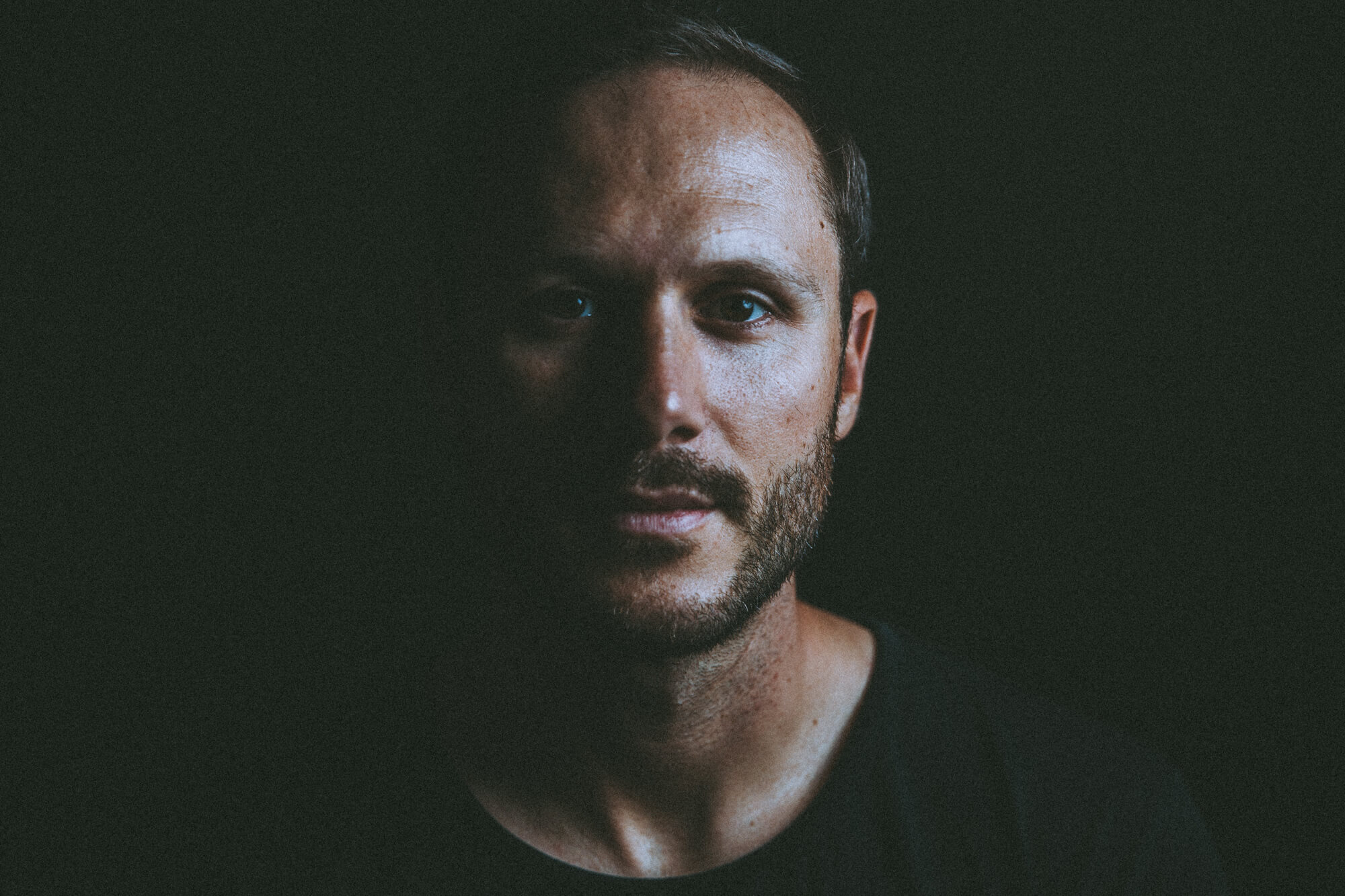
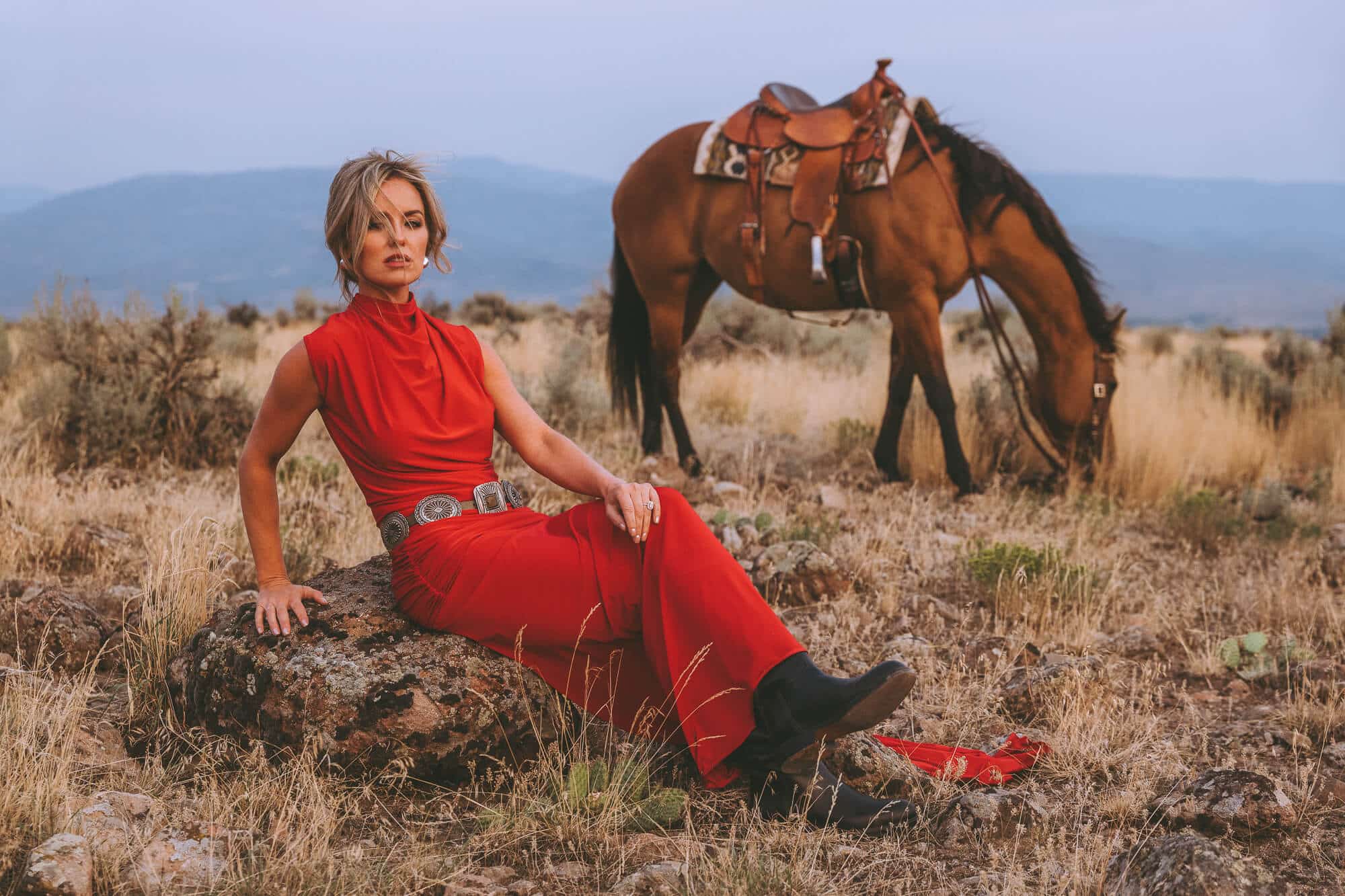
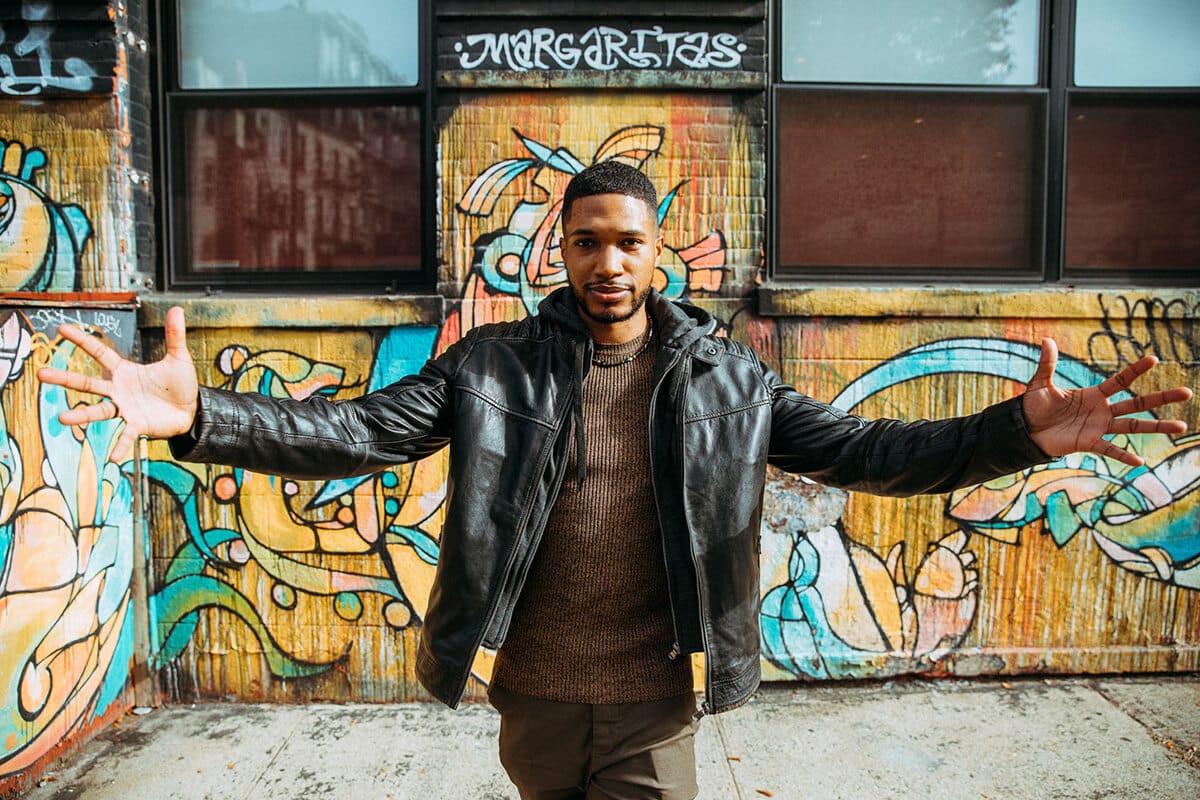
And you have a projected self. The version of you that exists in images, videos, and digital presence. The person someone encounters when they Google your name. The identity that precedes you before you ever enter a room.
These three selves are supposed to align.
But for most people, they don’t.
That misalignment is the gap between where you are and the authority you’re trying to claim. Closing that gap is the work of personal branding. Not the shallow kind. The deep kind.
The Private Self: Who You Are Alone
Your private self is the most honest version.
It’s who you are at 3am when you can’t sleep. The thoughts cycling through your mind. The fears you don’t voice. The ambitions that feel too big to say out loud.
This is the unperformed self.
No audience. No expectation. No role to play. Just you in relationship with your own consciousness.
Most people hide this version. They think it’s not ready for public consumption. Too raw. Too uncertain. Too human.
But here’s what matters: your private self contains your authority.

The insights you have when no one is looking. The patterns you notice. The connections you make. The truth you see that others miss. That’s the source material.
If your public and projected selves don’t reflect your private insights, you’re performing. Not leading.
The Public Self: Who You Are in Rooms
Your public self is the person people meet.
How you shake hands. The tone you carry. The presence you embody when someone asks you a question. The energy in your voice when you’re teaching.
This version is partly performed.
You choose what to reveal. You manage energy. You calibrate based on context. A first date requires different presence than a board meeting. A podcast interview demands different energy than a coffee conversation.
Nothing wrong with that.
The public self is adaptive. It has to be. But the question is: are you adapting from alignment or from fear?
When your public self is rooted in your private truth, it feels authentic. When it’s rooted in what you think people want to see, it feels exhausting.
Most people are tired because they’re performing a public self that doesn’t match their private knowing.
That split drains everything.
The Projected Self: Who You Are in Images
Your projected self is the version that exists without you in the room.
Your website. Your social media. Your headshots. Your speaker reels. The photos that show up when someone searches your name.
This is the self that does the most work.
It precedes you. It represents you. It creates assumptions about who you are before you ever speak a word.
Cue, visual frequency.
Your projected self carries a frequency. An energetic signature that people feel before they can articulate it. When someone lands on your website and immediately trusts you, that’s frequency. When they scroll past your Instagram and feel nothing, that’s also frequency.

The projected self is the most controllable of the three. You choose the images. You write the copy. You design the experience.
But most people don’t treat it as identity work.
They treat it as decoration.
Where Most People Break
Here’s the pattern I see constantly.
Someone builds a business on private insight. They know something real. They’ve lived through transformation. They have authority earned through experience.
But their public self doesn’t embody it.
They speak with uncertainty. They downplay their expertise. They apologize for taking up space. The person in the room doesn’t match the person in their head.
Then their projected self makes it worse.
Their photos look corporate and stiff. Their website sounds like everyone else. Their social media feels performed. The visual identity doesn’t reflect the depth of their actual knowing.
The result? Three misaligned selves.
Private self: “I’ve figured something out that could help thousands of people.”
Public self: “Well, I’m not sure if this will work for you, but maybe…”
Projected self: Generic headshot. Templated website. Borrowed language.
The market feels the split.
They don’t trust you because you don’t trust yourself. Not because you lack authority. Because your three selves aren’t speaking the same language.
The Alignment Work
Aligning these three identities isn’t about becoming more polished.
It’s about becoming more honest.
Start with the private self. What do you know that you’re not saying? What insights are you sitting on because you think they’re too obvious, too controversial, or too personal?
That’s the gold.
Your private knowing is your differentiation. Everyone else is performing borrowed authority. You have lived authority. But if you don’t let it surface, it stays trapped.

The public self follows.
When you give yourself permission to speak your private truth, your presence changes. You stop hedging. You stop performing. You start embodying.
The shift is subtle but undeniable.
People lean in. They listen differently. They trust faster. Not because you got more charismatic. Because you got more congruent.
Then the projected self can finally match.
When your photography captures the person who exists in rooms, not the person you think you should be, everything clicks. The images feel real. The website sounds like you. The visual identity creates magnetism because it’s not hiding anything.
That’s when authority compounds.
Why Photography Matters in This Framework
Most people think brand photography is about looking good.
It’s not.
It’s about closing the gap between your three selves.
When I photograph someone, I’m not trying to make them look polished. I’m trying to capture the frequency they carry when they’re in their private knowing.
That’s the image that creates authority.
Because it shows the viewer: “This person isn’t performing. They’re present.”
The camera is just a tool for revealing congruence. When all three selves align, the images feel magnetic. When they don’t, the images feel empty.
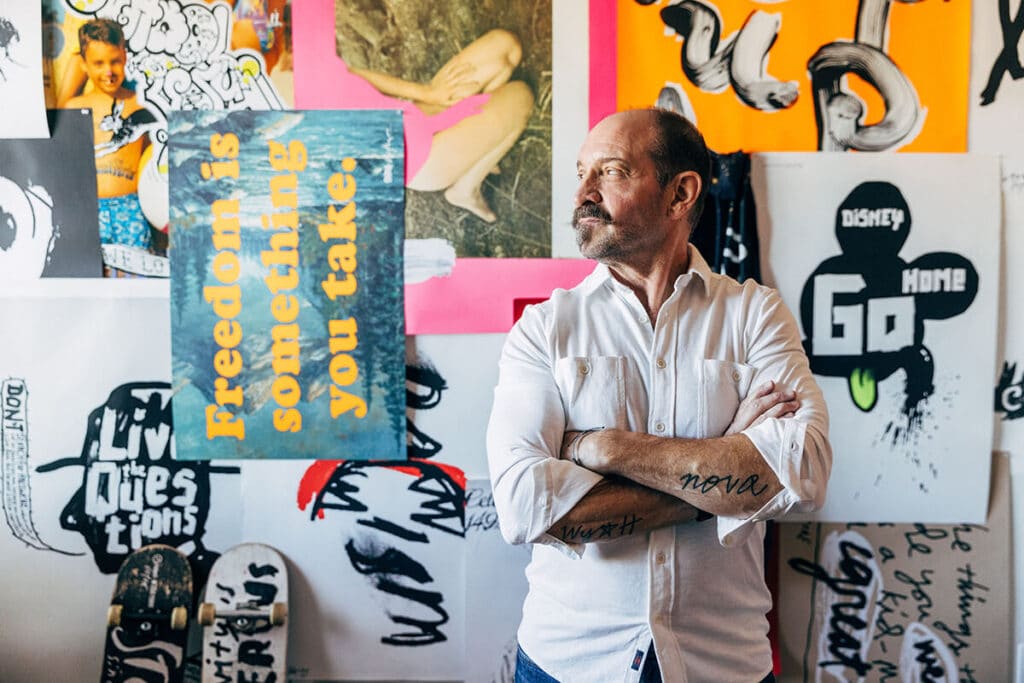
You can’t Photoshop alignment.
You can only create the conditions for it to emerge. That’s why great brand photography starts with identity work, not camera settings.
The Performance Trap
Here’s the trap most people fall into.
They try to build the projected self first.
They hire a photographer. Get new headshots. Update their website. Post more on social media. They think: “Once my visuals look good, I’ll feel confident enough to show up as my real self.”
But it doesn’t work that way.
If your public and private selves are misaligned, your projected self will just broadcast that misalignment at scale.
Better images won’t fix a performance problem.
The work has to go the other direction. Align the private and public selves first. Let your presence in rooms match your internal knowing. Then capture that alignment visually.
That’s the sequence.
Skip steps and you just create a more polished version of the same incongruence.
The Identity Layers
Think of these three selves as layers.
The private self is the core. Your actual knowing. The truth you live with when no one else is around.
The public self is the expression. How you translate that knowing into presence, language, and energy when you’re with other humans.
The projected self is the amplification. How you scale that presence beyond the rooms you can physically occupy.
Most people try to build from the outside in.
They perfect the projected self. Then wonder why it doesn’t convert. They polish the public self. Then wonder why it feels exhausting.
You have to build from the inside out.

Core truth. Embodied presence. Visual frequency.
That’s the sequence.
What Happens When They Align
When all three selves are congruent, something shifts.
You stop worrying about what to post. You just share what you’re thinking.
You stop rehearsing what to say. You just speak from knowing.
You stop overthinking your photos. You just let yourself be seen.
The effort drops.
Not because the work gets easier. Because the friction disappears. You’re no longer translating between versions of yourself. You’re just being one coherent person across all contexts.
That coherence is magnetic.
People feel it immediately. They might not be able to name it. But they sense it. “This person is real. This person knows something. This person isn’t performing.”
That sensing is what builds trust at scale.
The Private Self Feeds Everything
Your competitive advantage lives in your private self.
The thoughts you have while driving. The patterns you notice that everyone else misses. The connections you make between ideas that seem unrelated.
That’s your unique frequency.
Most people never let it out. They think: “Everyone probably already knows this.” Or: “This isn’t professional enough to share.”
Wrong.
Your private insights are the exact thing people are paying for. They don’t need another templated framework. They need the thing you see that they can’t.
But you have to honor it first.
If you dismiss your private knowing as obvious or irrelevant, your public self will stay generic. And your projected self will look like everyone else.
The market doesn’t need another polished performer.
It needs your actual seeing.
The Public Self as Practice
Your public self is where you test alignment.
Every conversation. Every presentation. Every podcast interview. These are laboratories for checking: “Am I speaking from my private truth or from what I think people want to hear?”
You’ll feel the difference.
When you’re aligned, speaking feels easy. Ideas flow. You don’t have to search for words. You’re just translating what you already know into language.
When you’re misaligned, speaking feels hard. You’re calculating. Censoring. Performing. The gap between what you’re thinking and what you’re saying creates friction.
Pay attention to that friction.
It’s diagnostic. It shows you exactly where the split is. The topics you avoid. The truths you soften. The authority you won’t claim.
Those are the exact places to lean in.
The Projected Self as Legacy
Your projected self outlives you.
Long after you leave a room, your images remain. Your writing stays online. Your videos keep playing. The frequency you’ve projected keeps working.
That’s why getting it right matters.
Not right as in perfect. Right as in true.
When your projected self reflects your actual frequency, it works in your favor constantly. People discover you and immediately feel: “I need to work with this person.”
When it’s misaligned, it works against you constantly. People discover you and think: “Something feels off.”
You can’t afford to have your projected self broadcasting a frequency you don’t actually carry.
It will attract the wrong people. Repel the right ones. And create endless confusion about who you actually are.
The Three Questions to Ask
If you want to check alignment between your three selves, ask these questions.
One: What do I know in private that I’m not saying in public?
That gap is where your authority is hiding. The things you think but don’t speak. The patterns you see but don’t share. The truths you’ve earned but won’t claim.
Bring them forward.
Two: When I show up in rooms, do I feel like I’m performing or embodying?
If you’re performing, you’re trying to be someone you’re not. If you’re embodying, you’re being who you are. The difference is palpable.
Three: Do my images reflect the person people meet in real life?
If someone spends an hour with you and then looks at your website, would they recognize the same person? Or would they wonder where the depth went?
Answer honestly.
The gaps you find are your roadmap.
Why Most Brand Photography Fails
Most brand photography fails because it tries to capture the projected self directly.
The photographer asks: “What do you want to look like?”
Wrong question.
The right question is: “Who are you when you’re in your deepest knowing?”
That person is the one worth photographing.
But you can’t access that person through posing. You can’t fake it. You have to create the conditions for it to emerge.
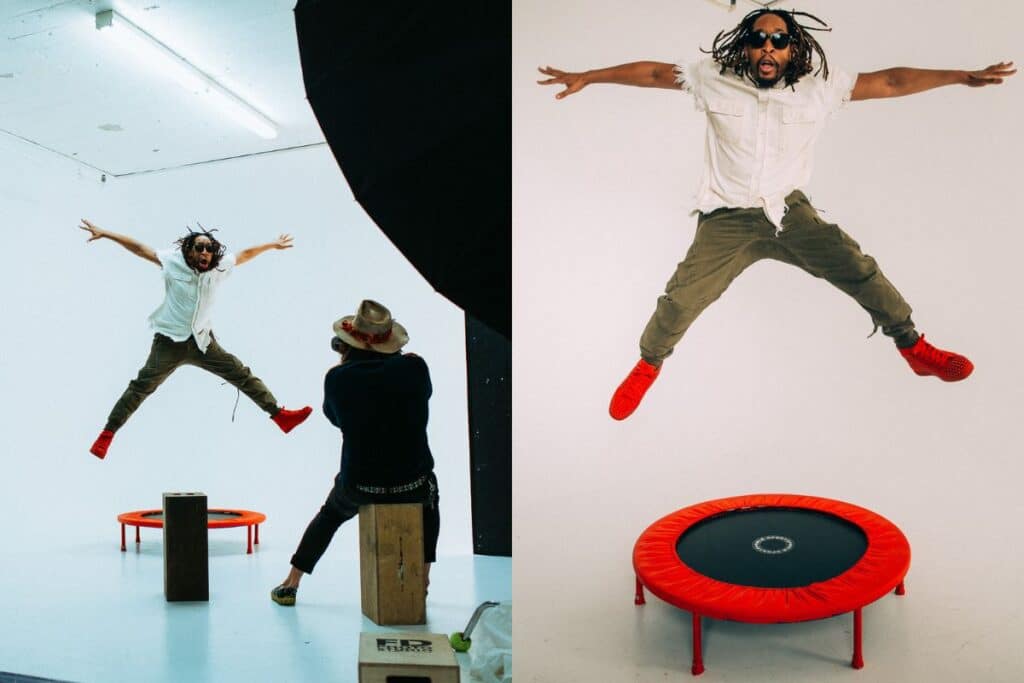
That’s why great brand photography starts with conversation. Identity work. Understanding the gap between who you are privately and how you’re showing up publicly.
The shoot becomes about closing that gap.
Not about making you look different. About revealing who you already are when you stop performing.
The Congruence Dividend
When your three selves align, you get access to something most people never find.
Effortless authority.
You stop trying to convince people you’re credible. They just sense it. You stop managing your image. It manages itself. You stop worrying about consistency. You’re just consistently you.
That consistency compounds.
Every touchpoint reinforces the others. Your images match your presence. Your presence matches your insight. Your insight matches your images.
The market starts to trust you faster. Clients invest at higher levels. Opportunities appear without pitching. Media wants to feature you.
Not because you got louder.
Because you got clearer.
The Integration Process
Aligning these three identities isn’t a one-time event.
It’s ongoing.
Your private self evolves. You learn. You grow. You see new patterns. What you knew last year isn’t what you know now.
That means your public self has to update. The way you speak. The presence you carry. The authority you claim.
And your projected self has to update too. New images. New language. New visual frequency.
The integration is cyclical.
Private insight leads to public embodiment leads to projected expression. Then the cycle repeats at a higher level.
The photographers, writers, and brand strategists who understand this don’t just take pretty pictures. They facilitate identity emergence.
That’s the real work.
What This Means for Your Brand
Your brand isn’t your logo.
It’s not your color palette.
It’s not your messaging framework.
Your brand is the felt experience of encountering your three aligned selves.
When someone reads your writing, meets you in person, and sees your photos, they should feel the same frequency across all three.
That frequency is your brand.
If it’s consistent, people trust you immediately. If it’s inconsistent, they hesitate. They can’t name why. They just sense something’s off.
The work of personal branding is closing those gaps.
Not by becoming more polished. By becoming more honest. By letting your private knowing show up in your public presence. By capturing that presence visually so it can scale.
That’s the path to magnetic authority.
3 Takeaways
- You’re simultaneously living as three different versions of yourself: your private self, your public self, and your projected self. Most people’s authority problem isn’t lack of expertise. It’s misalignment between these three identities.
- The private self is where your authority lives. Your unique insights, earned patterns, and deep knowing exist in your private consciousness. If you don’t let that truth surface in your public presence and projected imagery, you’re performing borrowed authority instead of embodying lived authority.
- Brand photography isn’t about looking polished. It’s about capturing the frequency you carry when your three selves align. When your images reflect the person who exists in rooms, and that person embodies your private knowing, you create magnetic authority that compounds across every touchpoint.


LET'S CONSPIRE & CREATE
CULTIVATING YOUR VISUAL UNIQUENESS AND STREAMLINING YOUR BRAND'S EVOLUTION

You’re not one person.
You’re three.
Right now, in this moment, you’re simultaneously living as three different versions of yourself. Most people never realize this. They think identity is singular. Fixed. One coherent self moving through the world.
It’s not.
You have a private self. The person you are when no one is watching. The thoughts you don’t speak. The desires you don’t admit. The version of you that exists in complete solitude.
You have a public self. The person you are in rooms. How you show up to meetings. The energy you carry in conversation. The way people experience you when they’re standing three feet away.
And you have a projected self. The version of you that exists in images, videos, and digital presence. The person someone encounters when they Google your name. The identity that precedes you before you ever enter a room.
These three selves are supposed to align.
But for most people, they don’t.
That misalignment is the gap between where you are and the authority you’re trying to claim. Closing that gap is the work of personal branding. Not the shallow kind. The deep kind.
The Private Self: Who You Are Alone
Your private self is the most honest version.
It’s who you are at 3am when you can’t sleep. The thoughts cycling through your mind. The fears you don’t voice. The ambitions that feel too big to say out loud.
This is the unperformed self.
No audience. No expectation. No role to play. Just you in relationship with your own consciousness.
Most people hide this version. They think it’s not ready for public consumption. Too raw. Too uncertain. Too human.
But here’s what matters: your private self contains your authority.
The insights you have when no one is looking. The patterns you notice. The connections you make. The truth you see that others miss. That’s the source material.
If your public and projected selves don’t reflect your private insights, you’re performing. Not leading.
The Public Self: Who You Are in Rooms
Your public self is the person people meet.
How you shake hands. The tone you carry. The presence you embody when someone asks you a question. The energy in your voice when you’re teaching.
This version is partly performed.
You choose what to reveal. You manage energy. You calibrate based on context. A first date requires different presence than a board meeting. A podcast interview demands different energy than a coffee conversation.
Nothing wrong with that.
The public self is adaptive. It has to be. But the question is: are you adapting from alignment or from fear?
When your public self is rooted in your private truth, it feels authentic. When it’s rooted in what you think people want to see, it feels exhausting.
Most people are tired because they’re performing a public self that doesn’t match their private knowing.
That split drains everything.
The Projected Self: Who You Are in Images
Your projected self is the version that exists without you in the room.
Your website. Your social media. Your headshots. Your speaker reels. The photos that show up when someone searches your name.
This is the self that does the most work.
It precedes you. It represents you. It creates assumptions about who you are before you ever speak a word.
Cue, visual frequency.
Your projected self carries a frequency. An energetic signature that people feel before they can articulate it. When someone lands on your website and immediately trusts you, that’s frequency. When they scroll past your Instagram and feel nothing, that’s also frequency.
The projected self is the most controllable of the three. You choose the images. You write the copy. You design the experience.
But most people don’t treat it as identity work.
They treat it as decoration.
Where Most People Break
Here’s the pattern I see constantly.
Someone builds a business on private insight. They know something real. They’ve lived through transformation. They have authority earned through experience.
But their public self doesn’t embody it.
They speak with uncertainty. They downplay their expertise. They apologize for taking up space. The person in the room doesn’t match the person in their head.
Then their projected self makes it worse.
Their photos look corporate and stiff. Their website sounds like everyone else. Their social media feels performed. The visual identity doesn’t reflect the depth of their actual knowing.
The result? Three misaligned selves.
Private self: “I’ve figured something out that could help thousands of people.”
Public self: “Well, I’m not sure if this will work for you, but maybe…”
Projected self: Generic headshot. Templated website. Borrowed language.
The market feels the split.
They don’t trust you because you don’t trust yourself. Not because you lack authority. Because your three selves aren’t speaking the same language.
The Alignment Work
Aligning these three identities isn’t about becoming more polished.
It’s about becoming more honest.
Start with the private self. What do you know that you’re not saying? What insights are you sitting on because you think they’re too obvious, too controversial, or too personal?
That’s the gold.
Your private knowing is your differentiation. Everyone else is performing borrowed authority. You have lived authority. But if you don’t let it surface, it stays trapped.
The public self follows.
When you give yourself permission to speak your private truth, your presence changes. You stop hedging. You stop performing. You start embodying.
The shift is subtle but undeniable.
People lean in. They listen differently. They trust faster. Not because you got more charismatic. Because you got more congruent.
Then the projected self can finally match.
When your photography captures the person who exists in rooms, not the person you think you should be, everything clicks. The images feel real. The website sounds like you. The visual identity creates magnetism because it’s not hiding anything.
That’s when authority compounds.
Why Photography Matters in This Framework
Most people think brand photography is about looking good.
It’s not.
It’s about closing the gap between your three selves.
When I photograph someone, I’m not trying to make them look polished. I’m trying to capture the frequency they carry when they’re in their private knowing.
That’s the image that creates authority.
Because it shows the viewer: “This person isn’t performing. They’re present.”
The camera is just a tool for revealing congruence. When all three selves align, the images feel magnetic. When they don’t, the images feel empty.
You can’t Photoshop alignment.
You can only create the conditions for it to emerge. That’s why great brand photography starts with identity work, not camera settings.
The Performance Trap
Here’s the trap most people fall into.
They try to build the projected self first.
They hire a photographer. Get new headshots. Update their website. Post more on social media. They think: “Once my visuals look good, I’ll feel confident enough to show up as my real self.”
But it doesn’t work that way.
If your public and private selves are misaligned, your projected self will just broadcast that misalignment at scale.
Better images won’t fix a performance problem.
The work has to go the other direction. Align the private and public selves first. Let your presence in rooms match your internal knowing. Then capture that alignment visually.
That’s the sequence.
Skip steps and you just create a more polished version of the same incongruence.
The Identity Layers
Think of these three selves as layers.
The private self is the core. Your actual knowing. The truth you live with when no one else is around.
The public self is the expression. How you translate that knowing into presence, language, and energy when you’re with other humans.
The projected self is the amplification. How you scale that presence beyond the rooms you can physically occupy.
Most people try to build from the outside in.
They perfect the projected self. Then wonder why it doesn’t convert. They polish the public self. Then wonder why it feels exhausting.
You have to build from the inside out.
Core truth. Embodied presence. Visual frequency.
That’s the sequence.
What Happens When They Align
When all three selves are congruent, something shifts.
You stop worrying about what to post. You just share what you’re thinking.
You stop rehearsing what to say. You just speak from knowing.
You stop overthinking your photos. You just let yourself be seen.
The effort drops.
Not because the work gets easier. Because the friction disappears. You’re no longer translating between versions of yourself. You’re just being one coherent person across all contexts.
That coherence is magnetic.
People feel it immediately. They might not be able to name it. But they sense it. “This person is real. This person knows something. This person isn’t performing.”
That sensing is what builds trust at scale.
The Private Self Feeds Everything
Your competitive advantage lives in your private self.
The thoughts you have while driving. The patterns you notice that everyone else misses. The connections you make between ideas that seem unrelated.
That’s your unique frequency.
Most people never let it out. They think: “Everyone probably already knows this.” Or: “This isn’t professional enough to share.”
Wrong.
Your private insights are the exact thing people are paying for. They don’t need another templated framework. They need the thing you see that they can’t.
But you have to honor it first.
If you dismiss your private knowing as obvious or irrelevant, your public self will stay generic. And your projected self will look like everyone else.
The market doesn’t need another polished performer.
It needs your actual seeing.
The Public Self as Practice
Your public self is where you test alignment.
Every conversation. Every presentation. Every podcast interview. These are laboratories for checking: “Am I speaking from my private truth or from what I think people want to hear?”
You’ll feel the difference.
When you’re aligned, speaking feels easy. Ideas flow. You don’t have to search for words. You’re just translating what you already know into language.
When you’re misaligned, speaking feels hard. You’re calculating. Censoring. Performing. The gap between what you’re thinking and what you’re saying creates friction.
Pay attention to that friction.
It’s diagnostic. It shows you exactly where the split is. The topics you avoid. The truths you soften. The authority you won’t claim.
Those are the exact places to lean in.
The Projected Self as Legacy
Your projected self outlives you.
Long after you leave a room, your images remain. Your writing stays online. Your videos keep playing. The frequency you’ve projected keeps working.
That’s why getting it right matters.
Not right as in perfect. Right as in true.
When your projected self reflects your actual frequency, it works in your favor constantly. People discover you and immediately feel: “I need to work with this person.”
When it’s misaligned, it works against you constantly. People discover you and think: “Something feels off.”
You can’t afford to have your projected self broadcasting a frequency you don’t actually carry.
It will attract the wrong people. Repel the right ones. And create endless confusion about who you actually are.
The Three Questions to Ask
If you want to check alignment between your three selves, ask these questions.
One: What do I know in private that I’m not saying in public?
That gap is where your authority is hiding. The things you think but don’t speak. The patterns you see but don’t share. The truths you’ve earned but won’t claim.
Bring them forward.
Two: When I show up in rooms, do I feel like I’m performing or embodying?
If you’re performing, you’re trying to be someone you’re not. If you’re embodying, you’re being who you are. The difference is palpable.
Three: Do my images reflect the person people meet in real life?
If someone spends an hour with you and then looks at your website, would they recognize the same person? Or would they wonder where the depth went?
Answer honestly.
The gaps you find are your roadmap.
Why Most Brand Photography Fails
Most brand photography fails because it tries to capture the projected self directly.
The photographer asks: “What do you want to look like?”
Wrong question.
The right question is: “Who are you when you’re in your deepest knowing?”
That person is the one worth photographing.
But you can’t access that person through posing. You can’t fake it. You have to create the conditions for it to emerge.
That’s why great brand photography starts with conversation. Identity work. Understanding the gap between who you are privately and how you’re showing up publicly.
The shoot becomes about closing that gap.
Not about making you look different. About revealing who you already are when you stop performing.
The Congruence Dividend
When your three selves align, you get access to something most people never find.
Effortless authority.
You stop trying to convince people you’re credible. They just sense it. You stop managing your image. It manages itself. You stop worrying about consistency. You’re just consistently you.
That consistency compounds.
Every touchpoint reinforces the others. Your images match your presence. Your presence matches your insight. Your insight matches your images.
The market starts to trust you faster. Clients invest at higher levels. Opportunities appear without pitching. Media wants to feature you.
Not because you got louder.
Because you got clearer.
The Integration Process
Aligning these three identities isn’t a one-time event.
It’s ongoing.
Your private self evolves. You learn. You grow. You see new patterns. What you knew last year isn’t what you know now.
That means your public self has to update. The way you speak. The presence you carry. The authority you claim.
And your projected self has to update too. New images. New language. New visual frequency.
The integration is cyclical.
Private insight leads to public embodiment leads to projected expression. Then the cycle repeats at a higher level.
The photographers, writers, and brand strategists who understand this don’t just take pretty pictures. They facilitate identity emergence.
That’s the real work.
What This Means for Your Brand
Your brand isn’t your logo.
It’s not your color palette.
It’s not your messaging framework.
Your brand is the felt experience of encountering your three aligned selves.
When someone reads your writing, meets you in person, and sees your photos, they should feel the same frequency across all three.
That frequency is your brand.
If it’s consistent, people trust you immediately. If it’s inconsistent, they hesitate. They can’t name why. They just sense something’s off.
The work of personal branding is closing those gaps.
Not by becoming more polished. By becoming more honest. By letting your private knowing show up in your public presence. By capturing that presence visually so it can scale.
That’s the path to magnetic authority.
3 Takeaways
- You’re simultaneously living as three different versions of yourself: your private self, your public self, and your projected self. Most people’s authority problem isn’t lack of expertise. It’s misalignment between these three identities.
- The private self is where your authority lives. Your unique insights, earned patterns, and deep knowing exist in your private consciousness. If you don’t let that truth surface in your public presence and projected imagery, you’re performing borrowed authority instead of embodying lived authority.
- Brand photography isn’t about looking polished. It’s about capturing the frequency you carry when your three selves align. When your images reflect the person who exists in rooms, and that person embodies your private knowing, you create magnetic authority that compounds across every touchpoint.

3/06/26
The Three Identities You’re Performing Right Now
infuse your vision with a fresh breath of creativity and vitality
BOOK A BRAND PHOTOSHOOT


GET THE DETAILS
GET THE DETAILS
infuse your vision with a fresh breath of creativity and vitality

PODCAST
BRAND INTELLIGENCE
CREATIVE INTELLIGENCE
LIFE INTELLIGENCE


masterfully aligning perception and reality through personal branding

masterfully aligning perception and reality through personal branding

You’re not one person.
You’re three.
Right now, in this moment, you’re simultaneously living as three different versions of yourself. Most people never realize this. They think identity is singular. Fixed. One coherent self moving through the world.
It’s not.
You have a private self. The person you are when no one is watching. The thoughts you don’t speak. The desires you don’t admit. The version of you that exists in complete solitude.
You have a public self. The person you are in rooms. How you show up to meetings. The energy you carry in conversation. The way people experience you when they’re standing three feet away.
And you have a projected self. The version of you that exists in images, videos, and digital presence. The person someone encounters when they Google your name. The identity that precedes you before you ever enter a room.
These three selves are supposed to align.
But for most people, they don’t.
That misalignment is the gap between where you are and the authority you’re trying to claim. Closing that gap is the work of personal branding. Not the shallow kind. The deep kind.
The Private Self: Who You Are Alone
Your private self is the most honest version.
It’s who you are at 3am when you can’t sleep. The thoughts cycling through your mind. The fears you don’t voice. The ambitions that feel too big to say out loud.
This is the unperformed self.
No audience. No expectation. No role to play. Just you in relationship with your own consciousness.
Most people hide this version. They think it’s not ready for public consumption. Too raw. Too uncertain. Too human.
But here’s what matters: your private self contains your authority.
The insights you have when no one is looking. The patterns you notice. The connections you make. The truth you see that others miss. That’s the source material.
If your public and projected selves don’t reflect your private insights, you’re performing. Not leading.
The Public Self: Who You Are in Rooms
Your public self is the person people meet.
How you shake hands. The tone you carry. The presence you embody when someone asks you a question. The energy in your voice when you’re teaching.
This version is partly performed.
You choose what to reveal. You manage energy. You calibrate based on context. A first date requires different presence than a board meeting. A podcast interview demands different energy than a coffee conversation.
Nothing wrong with that.
The public self is adaptive. It has to be. But the question is: are you adapting from alignment or from fear?
When your public self is rooted in your private truth, it feels authentic. When it’s rooted in what you think people want to see, it feels exhausting.
Most people are tired because they’re performing a public self that doesn’t match their private knowing.
That split drains everything.
The Projected Self: Who You Are in Images
Your projected self is the version that exists without you in the room.
Your website. Your social media. Your headshots. Your speaker reels. The photos that show up when someone searches your name.
This is the self that does the most work.
It precedes you. It represents you. It creates assumptions about who you are before you ever speak a word.
Cue, visual frequency.
Your projected self carries a frequency. An energetic signature that people feel before they can articulate it. When someone lands on your website and immediately trusts you, that’s frequency. When they scroll past your Instagram and feel nothing, that’s also frequency.
The projected self is the most controllable of the three. You choose the images. You write the copy. You design the experience.
But most people don’t treat it as identity work.
They treat it as decoration.
Where Most People Break
Here’s the pattern I see constantly.
Someone builds a business on private insight. They know something real. They’ve lived through transformation. They have authority earned through experience.
But their public self doesn’t embody it.
They speak with uncertainty. They downplay their expertise. They apologize for taking up space. The person in the room doesn’t match the person in their head.
Then their projected self makes it worse.
Their photos look corporate and stiff. Their website sounds like everyone else. Their social media feels performed. The visual identity doesn’t reflect the depth of their actual knowing.
The result? Three misaligned selves.
Private self: “I’ve figured something out that could help thousands of people.”
Public self: “Well, I’m not sure if this will work for you, but maybe…”
Projected self: Generic headshot. Templated website. Borrowed language.
The market feels the split.
They don’t trust you because you don’t trust yourself. Not because you lack authority. Because your three selves aren’t speaking the same language.
The Alignment Work
Aligning these three identities isn’t about becoming more polished.
It’s about becoming more honest.
Start with the private self. What do you know that you’re not saying? What insights are you sitting on because you think they’re too obvious, too controversial, or too personal?
That’s the gold.
Your private knowing is your differentiation. Everyone else is performing borrowed authority. You have lived authority. But if you don’t let it surface, it stays trapped.
The public self follows.
When you give yourself permission to speak your private truth, your presence changes. You stop hedging. You stop performing. You start embodying.
The shift is subtle but undeniable.
People lean in. They listen differently. They trust faster. Not because you got more charismatic. Because you got more congruent.
Then the projected self can finally match.
When your photography captures the person who exists in rooms, not the person you think you should be, everything clicks. The images feel real. The website sounds like you. The visual identity creates magnetism because it’s not hiding anything.
That’s when authority compounds.
Why Photography Matters in This Framework
Most people think brand photography is about looking good.
It’s not.
It’s about closing the gap between your three selves.
When I photograph someone, I’m not trying to make them look polished. I’m trying to capture the frequency they carry when they’re in their private knowing.
That’s the image that creates authority.
Because it shows the viewer: “This person isn’t performing. They’re present.”
The camera is just a tool for revealing congruence. When all three selves align, the images feel magnetic. When they don’t, the images feel empty.
You can’t Photoshop alignment.
You can only create the conditions for it to emerge. That’s why great brand photography starts with identity work, not camera settings.
The Performance Trap
Here’s the trap most people fall into.
They try to build the projected self first.
They hire a photographer. Get new headshots. Update their website. Post more on social media. They think: “Once my visuals look good, I’ll feel confident enough to show up as my real self.”
But it doesn’t work that way.
If your public and private selves are misaligned, your projected self will just broadcast that misalignment at scale.
Better images won’t fix a performance problem.
The work has to go the other direction. Align the private and public selves first. Let your presence in rooms match your internal knowing. Then capture that alignment visually.
That’s the sequence.
Skip steps and you just create a more polished version of the same incongruence.
The Identity Layers
Think of these three selves as layers.
The private self is the core. Your actual knowing. The truth you live with when no one else is around.
The public self is the expression. How you translate that knowing into presence, language, and energy when you’re with other humans.
The projected self is the amplification. How you scale that presence beyond the rooms you can physically occupy.
Most people try to build from the outside in.
They perfect the projected self. Then wonder why it doesn’t convert. They polish the public self. Then wonder why it feels exhausting.
You have to build from the inside out.
Core truth. Embodied presence. Visual frequency.
That’s the sequence.
What Happens When They Align
When all three selves are congruent, something shifts.
You stop worrying about what to post. You just share what you’re thinking.
You stop rehearsing what to say. You just speak from knowing.
You stop overthinking your photos. You just let yourself be seen.
The effort drops.
Not because the work gets easier. Because the friction disappears. You’re no longer translating between versions of yourself. You’re just being one coherent person across all contexts.
That coherence is magnetic.
People feel it immediately. They might not be able to name it. But they sense it. “This person is real. This person knows something. This person isn’t performing.”
That sensing is what builds trust at scale.
The Private Self Feeds Everything
Your competitive advantage lives in your private self.
The thoughts you have while driving. The patterns you notice that everyone else misses. The connections you make between ideas that seem unrelated.
That’s your unique frequency.
Most people never let it out. They think: “Everyone probably already knows this.” Or: “This isn’t professional enough to share.”
Wrong.
Your private insights are the exact thing people are paying for. They don’t need another templated framework. They need the thing you see that they can’t.
But you have to honor it first.
If you dismiss your private knowing as obvious or irrelevant, your public self will stay generic. And your projected self will look like everyone else.
The market doesn’t need another polished performer.
It needs your actual seeing.
The Public Self as Practice
Your public self is where you test alignment.
Every conversation. Every presentation. Every podcast interview. These are laboratories for checking: “Am I speaking from my private truth or from what I think people want to hear?”
You’ll feel the difference.
When you’re aligned, speaking feels easy. Ideas flow. You don’t have to search for words. You’re just translating what you already know into language.
When you’re misaligned, speaking feels hard. You’re calculating. Censoring. Performing. The gap between what you’re thinking and what you’re saying creates friction.
Pay attention to that friction.
It’s diagnostic. It shows you exactly where the split is. The topics you avoid. The truths you soften. The authority you won’t claim.
Those are the exact places to lean in.
The Projected Self as Legacy
Your projected self outlives you.
Long after you leave a room, your images remain. Your writing stays online. Your videos keep playing. The frequency you’ve projected keeps working.
That’s why getting it right matters.
Not right as in perfect. Right as in true.
When your projected self reflects your actual frequency, it works in your favor constantly. People discover you and immediately feel: “I need to work with this person.”
When it’s misaligned, it works against you constantly. People discover you and think: “Something feels off.”
You can’t afford to have your projected self broadcasting a frequency you don’t actually carry.
It will attract the wrong people. Repel the right ones. And create endless confusion about who you actually are.
The Three Questions to Ask
If you want to check alignment between your three selves, ask these questions.
One: What do I know in private that I’m not saying in public?
That gap is where your authority is hiding. The things you think but don’t speak. The patterns you see but don’t share. The truths you’ve earned but won’t claim.
Bring them forward.
Two: When I show up in rooms, do I feel like I’m performing or embodying?
If you’re performing, you’re trying to be someone you’re not. If you’re embodying, you’re being who you are. The difference is palpable.
Three: Do my images reflect the person people meet in real life?
If someone spends an hour with you and then looks at your website, would they recognize the same person? Or would they wonder where the depth went?
Answer honestly.
The gaps you find are your roadmap.
Why Most Brand Photography Fails
Most brand photography fails because it tries to capture the projected self directly.
The photographer asks: “What do you want to look like?”
Wrong question.
The right question is: “Who are you when you’re in your deepest knowing?”
That person is the one worth photographing.
But you can’t access that person through posing. You can’t fake it. You have to create the conditions for it to emerge.
That’s why great brand photography starts with conversation. Identity work. Understanding the gap between who you are privately and how you’re showing up publicly.
The shoot becomes about closing that gap.
Not about making you look different. About revealing who you already are when you stop performing.
The Congruence Dividend
When your three selves align, you get access to something most people never find.
Effortless authority.
You stop trying to convince people you’re credible. They just sense it. You stop managing your image. It manages itself. You stop worrying about consistency. You’re just consistently you.
That consistency compounds.
Every touchpoint reinforces the others. Your images match your presence. Your presence matches your insight. Your insight matches your images.
The market starts to trust you faster. Clients invest at higher levels. Opportunities appear without pitching. Media wants to feature you.
Not because you got louder.
Because you got clearer.
The Integration Process
Aligning these three identities isn’t a one-time event.
It’s ongoing.
Your private self evolves. You learn. You grow. You see new patterns. What you knew last year isn’t what you know now.
That means your public self has to update. The way you speak. The presence you carry. The authority you claim.
And your projected self has to update too. New images. New language. New visual frequency.
The integration is cyclical.
Private insight leads to public embodiment leads to projected expression. Then the cycle repeats at a higher level.
The photographers, writers, and brand strategists who understand this don’t just take pretty pictures. They facilitate identity emergence.
That’s the real work.
What This Means for Your Brand
Your brand isn’t your logo.
It’s not your color palette.
It’s not your messaging framework.
Your brand is the felt experience of encountering your three aligned selves.
When someone reads your writing, meets you in person, and sees your photos, they should feel the same frequency across all three.
That frequency is your brand.
If it’s consistent, people trust you immediately. If it’s inconsistent, they hesitate. They can’t name why. They just sense something’s off.
The work of personal branding is closing those gaps.
Not by becoming more polished. By becoming more honest. By letting your private knowing show up in your public presence. By capturing that presence visually so it can scale.
That’s the path to magnetic authority.
3 Takeaways
- You’re simultaneously living as three different versions of yourself: your private self, your public self, and your projected self. Most people’s authority problem isn’t lack of expertise. It’s misalignment between these three identities.
- The private self is where your authority lives. Your unique insights, earned patterns, and deep knowing exist in your private consciousness. If you don’t let that truth surface in your public presence and projected imagery, you’re performing borrowed authority instead of embodying lived authority.
- Brand photography isn’t about looking polished. It’s about capturing the frequency you carry when your three selves align. When your images reflect the person who exists in rooms, and that person embodies your private knowing, you create magnetic authority that compounds across every touchpoint.
3/06/26
The Three Identities You’re Performing Right Now
When you need a trusted creative partner in the room.
Take the Fit Check
Be seen at the level you’re stepping into.

Hey! I'm Nick.
PHOTOGRAPHER
BRAND ALCHEMIST
TEACHER
At vero eos et accusamus et iusto odio dignissimos ducimus qui blanditiis praesentium voluptatum deleniti atque corrupti quos dolores et quas molestias excepturi sint occaecati cupiditate non provident, similique sunt in culpa qui officia deserunt mollitia.
Build authority from the inside out.
Emanate is a creative-direction-led photography experience for entrepreneurs, speakers, and thought leaders in a moment of expansion. This isn’t about better photos. It’s about aligning how you’re seen with who you’ve become. For seasons of rebrand, visibility, and next-level leadership.

Magnetic Authority is a self-guided container for people who feel visible, but not fully anchored.
If your message keeps shifting, your brand feels inconsistent, or your presence doesn’t match your capability yet. This is where you build the foundation before you scale.
Take the Fit Check
Start Here
For founders, creatives, and leaders who want a trusted long-term partner. This isn’t coaching or traditional consulting.
It’s an ongoing creative partnership focused on bringing your personal brand identity to life.
Your brand. Your website. Your visuals.
All shaped as a direct extension of who you are. The work also includes a bespoke process of identifying and aligning the right experts when needed, so nothing gets built out of sync with your core.
Explore the Partnership

Quiet. Precise. Highly Selective.
NEXT post
PREVIOUS post
read the latest
You are established. Actually established. Years in business, real results created, genuine expertise developed, actual clients served, tangible transformations delivered, proven value demonstrated. You’ve built real authority through real work over real time with real outcomes. But you don’t look established. Your brand doesn’t show it, your presence doesn’t reflect it, your positioning doesn’t communicate […]
Connor Beaton leads men into their shadows. Not the surface-level masculinity work. Not the “alpha male” performance. Not the toxic patterns disguised as strength. Shadow work. Carl Jung. Integration. The parts men hide. The parts they fear. The parts that control them when unexamined. His brand needed to reflect that depth. That willingness to look […]
You keep rebuilding. New brand, new colors, new photos, new messaging, new positioning, new website, new everything. Every six months, every year, every time it feels wrong and stops working. Hoping this time fixes it, this time solves it, this time creates the authority and positioning you need. It doesn’t. It never does. Because you’re […]
You know things. Real things. Earned through years of experience. Patterns most people miss. Insights that could transform how your audience operates. But nobody knows you know them. You’re the hidden expert. Competent. Skilled. Valuable. Invisible. The shift from hidden expert to recognized authority doesn’t start where most people think. Not with better marketing. Not […]
Devotion isn’t soft. It’s the hardest thing you’ll ever practice. Most people think devotion means passion. Excitement. The feeling you get when inspiration strikes and everything flows. That’s not devotion. That’s infatuation. Devotion is showing up when inspiration is gone. When the work feels mechanical. When no one is watching and there’s no immediate reward. […]
You redesign your logo for the third time. Still doesn’t feel right. You hire another designer. Try different colors. New fonts. Different aesthetic entirely. Still wrong. So you conclude: “I just need better branding.” But the crisis isn’t your logo. It’s not your color palette. It’s not your website design. The crisis is deeper. You […]

You can be visible without being recognizable. Most people confuse the two. They post constantly. Show up everywhere. Maximize exposure. They think: “The more people see me, the more my brand grows.” But visibility isn’t the same as recognition. Visibility is being seen once. Recognition is being remembered. Visibility is impressions. Recognition is identity. You […]

Emma Reicher was hidden. No real brand. No photos of herself. Just lofi graphics that looked student-made. She had the credentials. Maturation coach. Qigong practitioner. Psychotherapy background. Real expertise. But nobody could see her. Nobody could feel her. The gap between who she was and how she showed up publicly was complete invisibility. The Fear […]
You’re not one person. You’re three. Right now, in this moment, you’re simultaneously living as three different versions of yourself. Most people never realize this. They think identity is singular. Fixed. One coherent self moving through the world. It’s not. You have a private self. The person you are when no one is watching. The […]

You got the photos back. They’re professionally lit. Perfectly composed. Technically flawless. But when you look at them, something feels wrong. That person in the images looks like you. Same face. Same features. But the energy is off. The presence doesn’t match. When you see those photos, you don’t think “that’s me.” You think “that’s […]

There’s a moment when someone stops holding back. Not loudly.Not dramatically. Quietly. That’s where Elena was when we began. The Moment Before the Shift Elena already had depth. Her thinking was clear.Her work was resonant.Her leadership was forming. But her visuals were still careful. They hinted at who she was becoming without fully letting her […]

TL;DR – What You’ll Learn in This Post There’s a feeling you recognize when it happens. Nothing is split.Nothing is rushed.Nothing is held back. Your thoughts, body, and actions move together. This is embodied coherence. What Embodied Coherence Really Is Embodied coherence isn’t intensity.It’s not confidence.It’s not motivation. It’s alignment in motion. What you feel […]
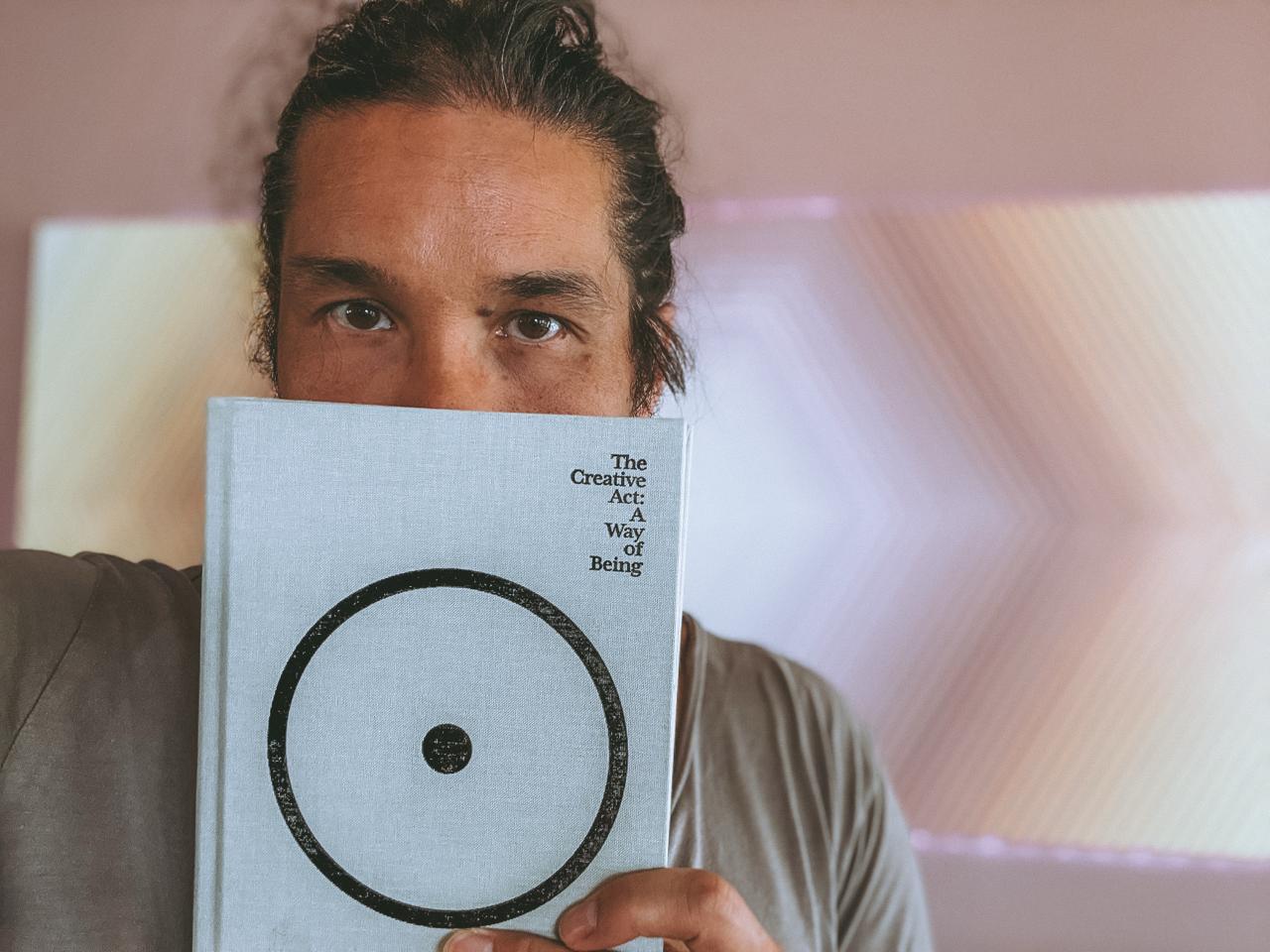
Most creativity books teach technique. Methods. Processes. Step-by-step systems. These five books teach something else. They teach how to be creative. How to access creativity. How to stay in creative practice. How to overcome what stops you. Not tactics. Fundamentals. The foundation everything else builds on. I return to these repeatedly. When stuck. When resistant. […]

About the Blogger
I was born in a low middle class conservative religious family in the suburbs of Seattle. Art was and always has been my passion, and more than that a way of life. Starting as a graphic designer, I taught myself photography, built a commercial/editorial business shooting for the worlds biggest brands like Nike, Coca-Cola, Adidas and more. I've also had the opportunity to photograph the world's biggest celebrities like Justin Bieber, Usher, Jessica Alba and more. I've curated a lifestyle around creativity and have learned a lot along the way which I get to share here.
I was born in a low middle class conservative religious family in the suburbs of Seattle. Art was and always has been my passion, and more than that a way of life. Starting as a graphic designer, I taught myself photography, built a commercial/editorial business shooting for the worlds biggest brands like Nike, Coca-Cola, Adidas and more. I've also had the opportunity to photograph the world's biggest celebrities like Justin Bieber, Usher, Jessica Alba and more. I've curated a lifestyle around creativity and have learned a lot along the way which I get to share here.
