


Connor Beaton leads men into their shadows.
Not the surface-level masculinity work. Not the “alpha male” performance. Not the toxic patterns disguised as strength.
Shadow work. Carl Jung. Integration. The parts men hide. The parts they fear. The parts that control them when unexamined.
His brand needed to reflect that depth. That willingness to look at what’s dark. That understanding that wholeness requires embracing shadow.
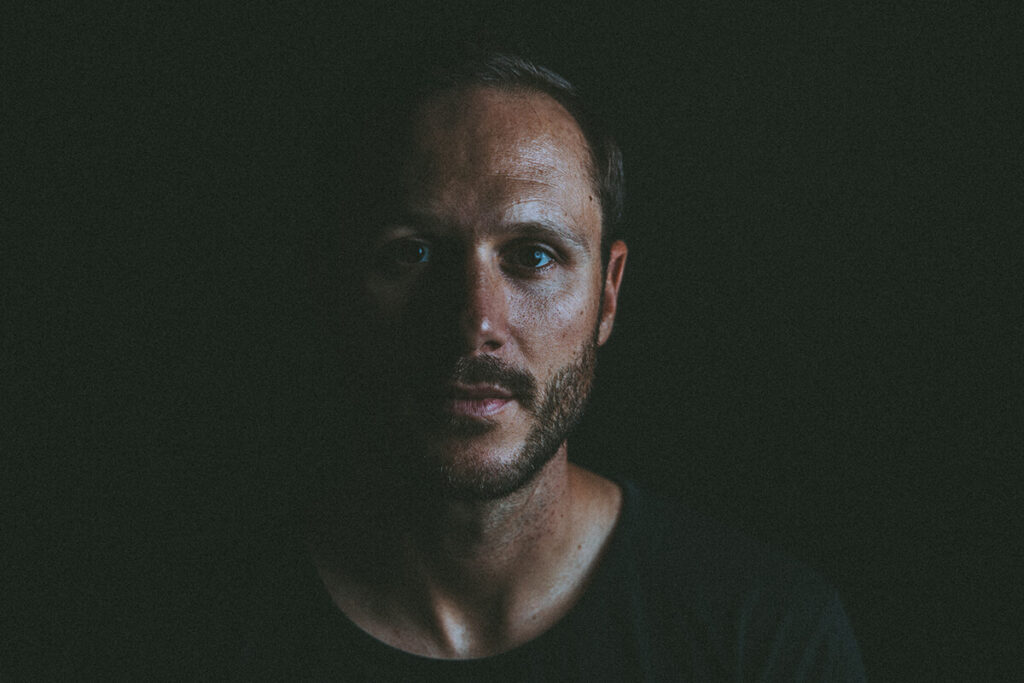
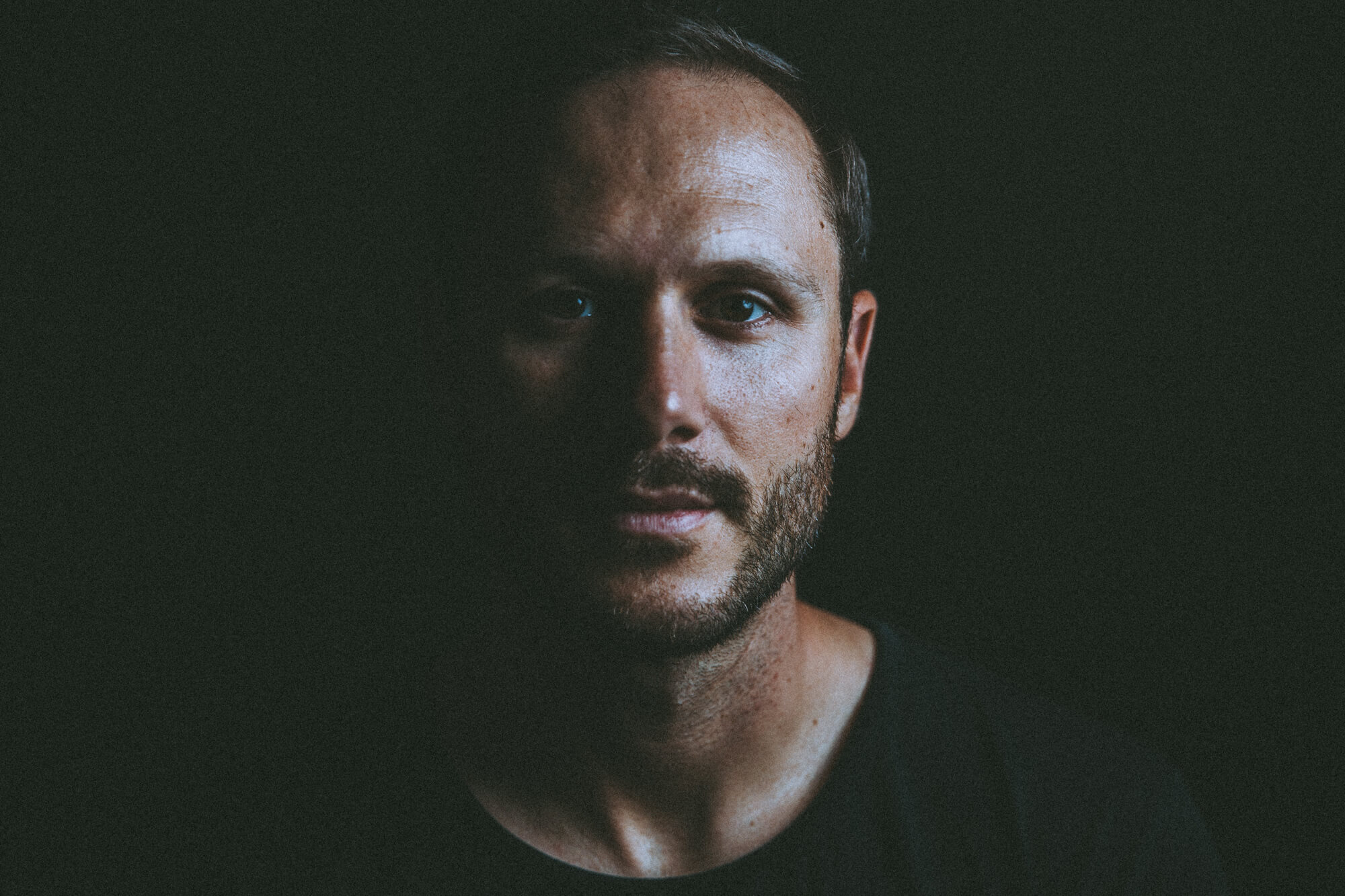
One image captured it all. Half his face lit. Half in complete darkness. Shadow and light. Integrated.
That became his podcast cover. His visual signature. The visual representation of the work.
The Context: Rebranding Men’s Work
Connor and I are close friends. Been on each other’s podcasts. Known each other years.
When he was ready to rebrand, he reached out. His platform was accelerating. Man Talks growing. The Alliance community expanding. Couple hundred thousand YouTube followers.
But his visual brand was old. Outdated photos. Nothing capturing the depth of his actual work.
He needed images that matched the authority he’d built. The space he was claiming. The work he was doing.
The Men’s Work Landscape
Connor operates in crowded space. Lots of voices talking about masculinity. Most shallow. Most reactive. Most replicating old toxic patterns with new language.
Connor’s different. He goes deep. Shadow work. Integration. The inner work most men avoid.
His book: Men’s Work. His platform: Man Talks. His methodology: rooted in Jungian psychology. Addressing issues between men and women. Creating healthy masculinity. Boundaries. Vulnerability integrated with strength.
Making personal development accessible for men. In culture where men doing inner work has been taboo. He’s redefining that. Making it reachable.
The Visual Challenge
How do you photograph shadow work?
You can’t just shoot standard portraits. Corporate headshots. Generic professional images.
The work is about integration of light and dark. Conscious and unconscious. Seen and hidden.
The images needed to reflect that. Visually. Literally. Metaphorically.
We needed concept. Not just documentation. Concept that taught the work through the image itself.
The Shadow Concept
Carl Jung is huge influence on Connor’s work. The shadow—the parts of self we reject, deny, hide—is central to his methodology.
So we created image that illustrated it. Studio. Controlled lighting. One side of his face lit. One side complete darkness.
Not subtle. Dramatic. Clear. Visual representation of shadow psyche.
That image became everything. Podcast cover. Visual signature. The thing people recognize immediately.
Because it wasn’t just portrait. It was teaching. About integration. About wholeness requiring both light and shadow.
The Shoot Locations
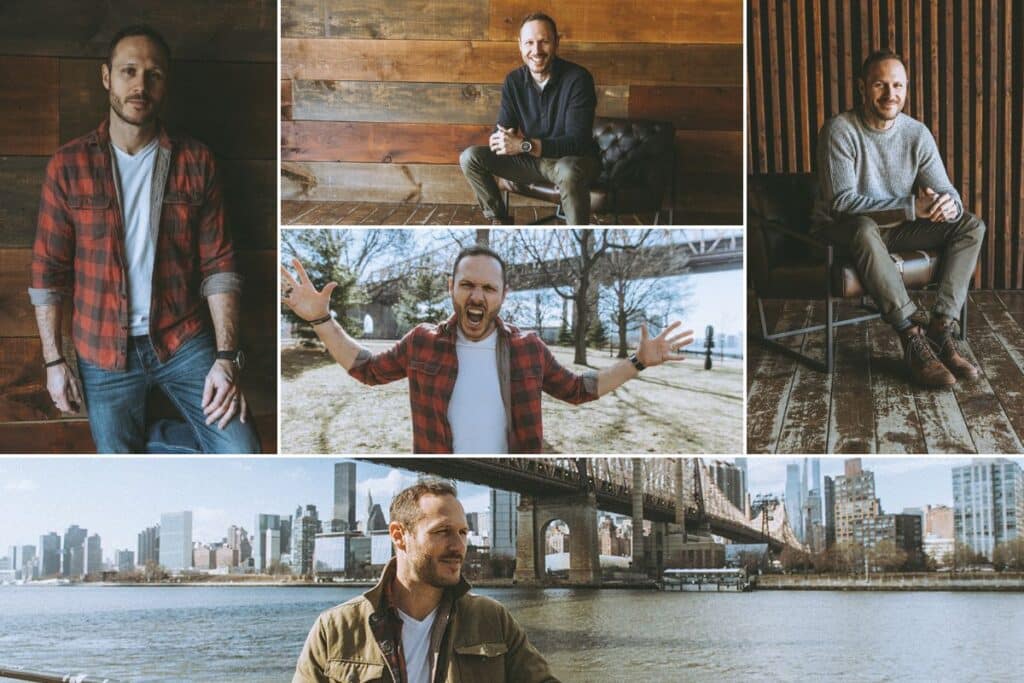
Fall in New York. Multiple locations. My home studio. Actual studio with different backdrops. Some location work around city.
We weren’t after variety for variety’s sake. We were exploring. Finding the images that captured the work.

Studio gave us control. Lighting precision needed for shadow concept. Location work gave us context. Environment. Different energies.
Mix of both created range. But the shadow image—that was the anchor. The concept that worked.
The Trust Factor
Connor’s not natural in front of camera. Doesn’t love photo shoots.
But we’re friends. He trusts me. “Let’s do it.”
That trust matters. Because the shadow work image requires vulnerability. Willingness to be seen. Both lit and dark.
Can’t get that image from someone performing. From someone uncomfortable. From someone hiding.
He showed up. Trusted process. Let us explore. That openness created the work.
The Photography Interest
Connor’s gotten interested in photography. So the shoot became collaborative. Playing together. Exploring together.
Not just “photographer directs, subject follows.” Two creatives working on problem. How do we visually represent this work?

That collaboration elevated result. Because he understood what we were trying to capture. The why behind the lighting choice. The intention behind the concept.
When subject understands vision, they show up differently. More intentionally. More powerfully.
The Moment It Clicked
The shadow portrait. That was it. The shot.
Half face lit. Half in darkness. Tighter framing on his face. Direct. Powerful. Clear.
We knew immediately. That’s the image. That’s the concept. That’s what works.
Not breakthrough in emotional sense. Breakthrough in clarity. This image does what we needed. Captures the work. Teaches the concept. Creates visual signature.
That image became his podcast cover. The thing thousands see weekly. The visual entry point to his work.
His Reaction: “This Is Really Me”
Connor loved the images. Not just aesthetically. They felt like him. Like his work. Like his approach.
That’s the difference between good photos and right photos. Technical quality versus identity alignment.
These weren’t just professional-looking portraits. They were visual representation of his methodology. His philosophy. His specific approach to men’s work.
That alignment is what makes brand photography work. When projected self matches actual work. When images teach what you teach.
The Integration Across Brand
He used images everywhere. Website. Podcast cover. Speaking materials. Meta ads. Programs. YouTube channel cover. YouTube video thumbnails.
Complete visual integration. Consistent presence. Recognizable signature.
That consistency matters. Every touchpoint reinforces the visual identity. The shadow work concept. The integration message.
Not just random photos scattered across platforms. Intentional visual system supporting the work.
The Man Talks Platform
Man Talks is the hub. Podcast. Community. Workshops. All the frameworks live there at mantalks.com.
The visual identity supports everything. Draws people in. Communicates depth before words do.
When someone discovers podcast, they see shadow portrait. Immediate signal: this isn’t surface work. This goes deep.
That pre-qualification is valuable. Right people attracted. Wrong people filter out. Visual does work before content does.
The Alliance Community
The Alliance is Connor’s online men’s community. Couple hundred thousand engaged men doing the work.
Those men needed leader who looked like he’d done the work. Who embodied integration. Who wasn’t performing masculinity. Who was being it.

The images communicate that. Not posed alpha performance. Actual presence. Willingness to look at shadow. Integration of light and dark.
That visual authenticity builds trust. Community knows: this person practices what they teach.
The Book: Men’s Work
Book called Men’s Work. Same title as his methodology. His approach. His teaching.
The photography supports book positioning. Author who’s done the work. Who goes deep. Who integrates shadow.
Not self-help guru promising easy answers. Guide who’s walked the path. Who knows the territory. Who’s integrated what he teaches.
That credibility comes through visually. Before reader opens book. Before they hear him speak. The images establish it.
The Distinction: Going Deep
Most men’s work is surface. Tactical. “Do these five things.” “Be this way.” “Follow these rules.”
Connor’s work is different. Shadow integration. Inner work. The uncomfortable stuff. The parts that require actually changing. Not just performing differently.
That depth needed visual representation. Surface photos wouldn’t work. Generic professional images wouldn’t work.
The shadow concept works. Because it visually represents the actual work. Integration. Light and dark. Seen and hidden. Conscious and unconscious.
The Redefining Masculinity Angle
Connor’s redefining masculinity. Moving from toxic patterns to healthy boundaries. From performance to authenticity. From repression to integration.
That redefinition required new visual language. Not old masculine tropes. Not alpha posturing. Not corporate authority.

Something that said: vulnerable and strong. Shadow-aware and integrated. Doing the work and leading others through it.
The photography captured that. Not through pose. Through concept. Through willingness to show both sides. Light and shadow.
The YouTube Growth
Couple hundred thousand YouTube followers. Growing rapidly. Content about men’s issues. Shadow work. Relationships. Integration.
Every video thumbnail features him. Often using the brand photography. Creating consistent visual presence.
That consistency builds recognition. Scroll YouTube, you recognize his content immediately. The visual signature. The shadow concept. The integrated presence.
That recognition is authority. Visual shorthand for “this person does deep work.”
The Speaking Platform
He speaks. Workshops. Events. Conferences. Teaching men’s work to larger audiences.
The photography serves that. Professional materials. Event promotions. Speaker one-sheets.

Event organizers see images. Immediate sense: this person has authority. Has done the work. Will deliver depth.
That positioning opens doors. Creates opportunities. Establishes credibility before he speaks.
The Meta Ads Strategy
He runs ads. Facebook. Instagram. Meta platform. Reaching new men. Growing community. Promoting programs.
The photography makes ads work. Stopping scroll. Creating recognition. Communicating depth.
Ad with generic photo gets scrolled past. Ad with distinctive shadow concept gets noticed. Gets clicked. Gets conversions.
Visual distinction is competitive advantage. Especially in crowded marketplace. Everyone teaching men’s work. Few doing it with visual clarity.
What Makes This Work
The photography works because it teaches. Not just documents. Teaches.
Shadow and light image isn’t just portrait. It’s visual representation of the methodology. You see image, you understand the work. Integration. Wholeness. Shadow awareness.

That’s what Elevated Realism does. Captures actual work. Makes it visible. Makes it iconic.
Not fake. Not manufactured. Real work made visually clear.
The Friendship Foundation
We’re friends. That matters. Not just transactional photographer-client relationship. Creative collaboration between friends.
That foundation creates trust. Safety. Permission to explore. To try things. To play.
Best creative work often comes from that. Relationship first. Transaction second. Trust enabling vulnerability enabling powerful images.
Can’t force that. Can’t manufacture that. Either exists or doesn’t. When it does, leverage it.
3 Takeaways
- The shadow work concept created visual signature that teaches methodology through the image itself—half face lit, half in darkness representing integration of light and shadow, conscious and unconscious, seen and hidden aspects that define Connor’s Jungian approach to men’s work. This wasn’t just portrait but visual representation of the actual teaching, making it podcast cover, brand signature, and immediate signal that this is deep work not surface masculinity, which pre-qualifies audience and establishes authority before words are spoken or content consumed.
- Redefining masculinity required new visual language moving from toxic patterns and alpha posturing to integrated authenticity showing vulnerable and strong, shadow-aware and whole, which corporate headshots or generic professional images could not communicate. The photography captured this through concept not pose, through willingness to show both sides, through images that reflected actual depth of work teaching healthy boundaries, inner work, and integration rather than performance or surface tactics that characterize most men’s work in the space.
- Complete visual integration across all platforms—website, podcast cover, YouTube thumbnails, speaking materials, Meta ads, book positioning, community leadership—created consistent recognizable presence that builds authority through repetition and distinction in crowded marketplace. The friendship foundation between photographer and subject enabled trust, vulnerability, and creative collaboration that produced images feeling authentically like him and his work rather than performed professional portraits, demonstrating how relationship context elevates creative outcome when subject understands vision and shows up intentionally.


LET'S CONSPIRE & CREATE
CULTIVATING YOUR VISUAL UNIQUENESS AND STREAMLINING YOUR BRAND'S EVOLUTION

Connor Beaton leads men into their shadows.
Not the surface-level masculinity work. Not the “alpha male” performance. Not the toxic patterns disguised as strength.
Shadow work. Carl Jung. Integration. The parts men hide. The parts they fear. The parts that control them when unexamined.
His brand needed to reflect that depth. That willingness to look at what’s dark. That understanding that wholeness requires embracing shadow.
One image captured it all. Half his face lit. Half in complete darkness. Shadow and light. Integrated.
That became his podcast cover. His visual signature. The visual representation of the work.
The Context: Rebranding Men’s Work
Connor and I are close friends. Been on each other’s podcasts. Known each other years.
When he was ready to rebrand, he reached out. His platform was accelerating. Man Talks growing. The Alliance community expanding. Couple hundred thousand YouTube followers.
But his visual brand was old. Outdated photos. Nothing capturing the depth of his actual work.
He needed images that matched the authority he’d built. The space he was claiming. The work he was doing.
The Men’s Work Landscape
Connor operates in crowded space. Lots of voices talking about masculinity. Most shallow. Most reactive. Most replicating old toxic patterns with new language.
Connor’s different. He goes deep. Shadow work. Integration. The inner work most men avoid.
His book: Men’s Work. His platform: Man Talks. His methodology: rooted in Jungian psychology. Addressing issues between men and women. Creating healthy masculinity. Boundaries. Vulnerability integrated with strength.
Making personal development accessible for men. In culture where men doing inner work has been taboo. He’s redefining that. Making it reachable.
The Visual Challenge
How do you photograph shadow work?
You can’t just shoot standard portraits. Corporate headshots. Generic professional images.
The work is about integration of light and dark. Conscious and unconscious. Seen and hidden.
The images needed to reflect that. Visually. Literally. Metaphorically.
We needed concept. Not just documentation. Concept that taught the work through the image itself.
The Shadow Concept
Carl Jung is huge influence on Connor’s work. The shadow—the parts of self we reject, deny, hide—is central to his methodology.
So we created image that illustrated it. Studio. Controlled lighting. One side of his face lit. One side complete darkness.
Not subtle. Dramatic. Clear. Visual representation of shadow psyche.
That image became everything. Podcast cover. Visual signature. The thing people recognize immediately.
Because it wasn’t just portrait. It was teaching. About integration. About wholeness requiring both light and shadow.
The Shoot Locations
Fall in New York. Multiple locations. My home studio. Actual studio with different backdrops. Some location work around city.
We weren’t after variety for variety’s sake. We were exploring. Finding the images that captured the work.
Studio gave us control. Lighting precision needed for shadow concept. Location work gave us context. Environment. Different energies.
Mix of both created range. But the shadow image—that was the anchor. The concept that worked.
The Trust Factor
Connor’s not natural in front of camera. Doesn’t love photo shoots.
But we’re friends. He trusts me. “Let’s do it.”
That trust matters. Because the shadow work image requires vulnerability. Willingness to be seen. Both lit and dark.
Can’t get that image from someone performing. From someone uncomfortable. From someone hiding.
He showed up. Trusted process. Let us explore. That openness created the work.
The Photography Interest
Connor’s gotten interested in photography. So the shoot became collaborative. Playing together. Exploring together.
Not just “photographer directs, subject follows.” Two creatives working on problem. How do we visually represent this work?
That collaboration elevated result. Because he understood what we were trying to capture. The why behind the lighting choice. The intention behind the concept.
When subject understands vision, they show up differently. More intentionally. More powerfully.
The Moment It Clicked
The shadow portrait. That was it. The shot.
Half face lit. Half in darkness. Tighter framing on his face. Direct. Powerful. Clear.
We knew immediately. That’s the image. That’s the concept. That’s what works.
Not breakthrough in emotional sense. Breakthrough in clarity. This image does what we needed. Captures the work. Teaches the concept. Creates visual signature.
That image became his podcast cover. The thing thousands see weekly. The visual entry point to his work.
His Reaction: “This Is Really Me”
Connor loved the images. Not just aesthetically. They felt like him. Like his work. Like his approach.
That’s the difference between good photos and right photos. Technical quality versus identity alignment.
These weren’t just professional-looking portraits. They were visual representation of his methodology. His philosophy. His specific approach to men’s work.
That alignment is what makes brand photography work. When projected self matches actual work. When images teach what you teach.
The Integration Across Brand
He used images everywhere. Website. Podcast cover. Speaking materials. Meta ads. Programs. YouTube channel cover. YouTube video thumbnails.
Complete visual integration. Consistent presence. Recognizable signature.
That consistency matters. Every touchpoint reinforces the visual identity. The shadow work concept. The integration message.
Not just random photos scattered across platforms. Intentional visual system supporting the work.
The Man Talks Platform
Man Talks is the hub. Podcast. Community. Workshops. All the frameworks live there at mantalks.com.
The visual identity supports everything. Draws people in. Communicates depth before words do.
When someone discovers podcast, they see shadow portrait. Immediate signal: this isn’t surface work. This goes deep.
That pre-qualification is valuable. Right people attracted. Wrong people filter out. Visual does work before content does.
The Alliance Community
The Alliance is Connor’s online men’s community. Couple hundred thousand engaged men doing the work.
Those men needed leader who looked like he’d done the work. Who embodied integration. Who wasn’t performing masculinity. Who was being it.
The images communicate that. Not posed alpha performance. Actual presence. Willingness to look at shadow. Integration of light and dark.
That visual authenticity builds trust. Community knows: this person practices what they teach.
The Book: Men’s Work
Book called Men’s Work. Same title as his methodology. His approach. His teaching.
The photography supports book positioning. Author who’s done the work. Who goes deep. Who integrates shadow.
Not self-help guru promising easy answers. Guide who’s walked the path. Who knows the territory. Who’s integrated what he teaches.
That credibility comes through visually. Before reader opens book. Before they hear him speak. The images establish it.
The Distinction: Going Deep
Most men’s work is surface. Tactical. “Do these five things.” “Be this way.” “Follow these rules.”
Connor’s work is different. Shadow integration. Inner work. The uncomfortable stuff. The parts that require actually changing. Not just performing differently.
That depth needed visual representation. Surface photos wouldn’t work. Generic professional images wouldn’t work.
The shadow concept works. Because it visually represents the actual work. Integration. Light and dark. Seen and hidden. Conscious and unconscious.
The Redefining Masculinity Angle
Connor’s redefining masculinity. Moving from toxic patterns to healthy boundaries. From performance to authenticity. From repression to integration.
That redefinition required new visual language. Not old masculine tropes. Not alpha posturing. Not corporate authority.
Something that said: vulnerable and strong. Shadow-aware and integrated. Doing the work and leading others through it.
The photography captured that. Not through pose. Through concept. Through willingness to show both sides. Light and shadow.
The YouTube Growth
Couple hundred thousand YouTube followers. Growing rapidly. Content about men’s issues. Shadow work. Relationships. Integration.
Every video thumbnail features him. Often using the brand photography. Creating consistent visual presence.
That consistency builds recognition. Scroll YouTube, you recognize his content immediately. The visual signature. The shadow concept. The integrated presence.
That recognition is authority. Visual shorthand for “this person does deep work.”
The Speaking Platform
He speaks. Workshops. Events. Conferences. Teaching men’s work to larger audiences.
The photography serves that. Professional materials. Event promotions. Speaker one-sheets.
Event organizers see images. Immediate sense: this person has authority. Has done the work. Will deliver depth.
That positioning opens doors. Creates opportunities. Establishes credibility before he speaks.
The Meta Ads Strategy
He runs ads. Facebook. Instagram. Meta platform. Reaching new men. Growing community. Promoting programs.
The photography makes ads work. Stopping scroll. Creating recognition. Communicating depth.
Ad with generic photo gets scrolled past. Ad with distinctive shadow concept gets noticed. Gets clicked. Gets conversions.
Visual distinction is competitive advantage. Especially in crowded marketplace. Everyone teaching men’s work. Few doing it with visual clarity.
What Makes This Work
The photography works because it teaches. Not just documents. Teaches.
Shadow and light image isn’t just portrait. It’s visual representation of the methodology. You see image, you understand the work. Integration. Wholeness. Shadow awareness.
That’s what Elevated Realism does. Captures actual work. Makes it visible. Makes it iconic.
Not fake. Not manufactured. Real work made visually clear.
The Friendship Foundation
We’re friends. That matters. Not just transactional photographer-client relationship. Creative collaboration between friends.
That foundation creates trust. Safety. Permission to explore. To try things. To play.
Best creative work often comes from that. Relationship first. Transaction second. Trust enabling vulnerability enabling powerful images.
Can’t force that. Can’t manufacture that. Either exists or doesn’t. When it does, leverage it.
3 Takeaways
- The shadow work concept created visual signature that teaches methodology through the image itself—half face lit, half in darkness representing integration of light and shadow, conscious and unconscious, seen and hidden aspects that define Connor’s Jungian approach to men’s work. This wasn’t just portrait but visual representation of the actual teaching, making it podcast cover, brand signature, and immediate signal that this is deep work not surface masculinity, which pre-qualifies audience and establishes authority before words are spoken or content consumed.
- Redefining masculinity required new visual language moving from toxic patterns and alpha posturing to integrated authenticity showing vulnerable and strong, shadow-aware and whole, which corporate headshots or generic professional images could not communicate. The photography captured this through concept not pose, through willingness to show both sides, through images that reflected actual depth of work teaching healthy boundaries, inner work, and integration rather than performance or surface tactics that characterize most men’s work in the space.
- Complete visual integration across all platforms—website, podcast cover, YouTube thumbnails, speaking materials, Meta ads, book positioning, community leadership—created consistent recognizable presence that builds authority through repetition and distinction in crowded marketplace. The friendship foundation between photographer and subject enabled trust, vulnerability, and creative collaboration that produced images feeling authentically like him and his work rather than performed professional portraits, demonstrating how relationship context elevates creative outcome when subject understands vision and shows up intentionally.
3/29/26
Case Study: Connor Beaton – Masculine Authority Redefined
infuse your vision with a fresh breath of creativity and vitality
BOOK A BRAND PHOTOSHOOT


GET THE DETAILS
GET THE DETAILS
infuse your vision with a fresh breath of creativity and vitality

PODCAST
BRAND INTELLIGENCE
CREATIVE INTELLIGENCE
LIFE INTELLIGENCE


masterfully aligning perception and reality through personal branding
masterfully aligning perception and reality through personal branding

Connor Beaton leads men into their shadows.
Not the surface-level masculinity work. Not the “alpha male” performance. Not the toxic patterns disguised as strength.
Shadow work. Carl Jung. Integration. The parts men hide. The parts they fear. The parts that control them when unexamined.
His brand needed to reflect that depth. That willingness to look at what’s dark. That understanding that wholeness requires embracing shadow.
One image captured it all. Half his face lit. Half in complete darkness. Shadow and light. Integrated.
That became his podcast cover. His visual signature. The visual representation of the work.
The Context: Rebranding Men’s Work
Connor and I are close friends. Been on each other’s podcasts. Known each other years.
When he was ready to rebrand, he reached out. His platform was accelerating. Man Talks growing. The Alliance community expanding. Couple hundred thousand YouTube followers.
But his visual brand was old. Outdated photos. Nothing capturing the depth of his actual work.
He needed images that matched the authority he’d built. The space he was claiming. The work he was doing.
The Men’s Work Landscape
Connor operates in crowded space. Lots of voices talking about masculinity. Most shallow. Most reactive. Most replicating old toxic patterns with new language.
Connor’s different. He goes deep. Shadow work. Integration. The inner work most men avoid.
His book: Men’s Work. His platform: Man Talks. His methodology: rooted in Jungian psychology. Addressing issues between men and women. Creating healthy masculinity. Boundaries. Vulnerability integrated with strength.
Making personal development accessible for men. In culture where men doing inner work has been taboo. He’s redefining that. Making it reachable.
The Visual Challenge
How do you photograph shadow work?
You can’t just shoot standard portraits. Corporate headshots. Generic professional images.
The work is about integration of light and dark. Conscious and unconscious. Seen and hidden.
The images needed to reflect that. Visually. Literally. Metaphorically.
We needed concept. Not just documentation. Concept that taught the work through the image itself.
The Shadow Concept
Carl Jung is huge influence on Connor’s work. The shadow—the parts of self we reject, deny, hide—is central to his methodology.
So we created image that illustrated it. Studio. Controlled lighting. One side of his face lit. One side complete darkness.
Not subtle. Dramatic. Clear. Visual representation of shadow psyche.
That image became everything. Podcast cover. Visual signature. The thing people recognize immediately.
Because it wasn’t just portrait. It was teaching. About integration. About wholeness requiring both light and shadow.
The Shoot Locations
Fall in New York. Multiple locations. My home studio. Actual studio with different backdrops. Some location work around city.
We weren’t after variety for variety’s sake. We were exploring. Finding the images that captured the work.
Studio gave us control. Lighting precision needed for shadow concept. Location work gave us context. Environment. Different energies.
Mix of both created range. But the shadow image—that was the anchor. The concept that worked.
The Trust Factor
Connor’s not natural in front of camera. Doesn’t love photo shoots.
But we’re friends. He trusts me. “Let’s do it.”
That trust matters. Because the shadow work image requires vulnerability. Willingness to be seen. Both lit and dark.
Can’t get that image from someone performing. From someone uncomfortable. From someone hiding.
He showed up. Trusted process. Let us explore. That openness created the work.
The Photography Interest
Connor’s gotten interested in photography. So the shoot became collaborative. Playing together. Exploring together.
Not just “photographer directs, subject follows.” Two creatives working on problem. How do we visually represent this work?
That collaboration elevated result. Because he understood what we were trying to capture. The why behind the lighting choice. The intention behind the concept.
When subject understands vision, they show up differently. More intentionally. More powerfully.
The Moment It Clicked
The shadow portrait. That was it. The shot.
Half face lit. Half in darkness. Tighter framing on his face. Direct. Powerful. Clear.
We knew immediately. That’s the image. That’s the concept. That’s what works.
Not breakthrough in emotional sense. Breakthrough in clarity. This image does what we needed. Captures the work. Teaches the concept. Creates visual signature.
That image became his podcast cover. The thing thousands see weekly. The visual entry point to his work.
His Reaction: “This Is Really Me”
Connor loved the images. Not just aesthetically. They felt like him. Like his work. Like his approach.
That’s the difference between good photos and right photos. Technical quality versus identity alignment.
These weren’t just professional-looking portraits. They were visual representation of his methodology. His philosophy. His specific approach to men’s work.
That alignment is what makes brand photography work. When projected self matches actual work. When images teach what you teach.
The Integration Across Brand
He used images everywhere. Website. Podcast cover. Speaking materials. Meta ads. Programs. YouTube channel cover. YouTube video thumbnails.
Complete visual integration. Consistent presence. Recognizable signature.
That consistency matters. Every touchpoint reinforces the visual identity. The shadow work concept. The integration message.
Not just random photos scattered across platforms. Intentional visual system supporting the work.
The Man Talks Platform
Man Talks is the hub. Podcast. Community. Workshops. All the frameworks live there at mantalks.com.
The visual identity supports everything. Draws people in. Communicates depth before words do.
When someone discovers podcast, they see shadow portrait. Immediate signal: this isn’t surface work. This goes deep.
That pre-qualification is valuable. Right people attracted. Wrong people filter out. Visual does work before content does.
The Alliance Community
The Alliance is Connor’s online men’s community. Couple hundred thousand engaged men doing the work.
Those men needed leader who looked like he’d done the work. Who embodied integration. Who wasn’t performing masculinity. Who was being it.
The images communicate that. Not posed alpha performance. Actual presence. Willingness to look at shadow. Integration of light and dark.
That visual authenticity builds trust. Community knows: this person practices what they teach.
The Book: Men’s Work
Book called Men’s Work. Same title as his methodology. His approach. His teaching.
The photography supports book positioning. Author who’s done the work. Who goes deep. Who integrates shadow.
Not self-help guru promising easy answers. Guide who’s walked the path. Who knows the territory. Who’s integrated what he teaches.
That credibility comes through visually. Before reader opens book. Before they hear him speak. The images establish it.
The Distinction: Going Deep
Most men’s work is surface. Tactical. “Do these five things.” “Be this way.” “Follow these rules.”
Connor’s work is different. Shadow integration. Inner work. The uncomfortable stuff. The parts that require actually changing. Not just performing differently.
That depth needed visual representation. Surface photos wouldn’t work. Generic professional images wouldn’t work.
The shadow concept works. Because it visually represents the actual work. Integration. Light and dark. Seen and hidden. Conscious and unconscious.
The Redefining Masculinity Angle
Connor’s redefining masculinity. Moving from toxic patterns to healthy boundaries. From performance to authenticity. From repression to integration.
That redefinition required new visual language. Not old masculine tropes. Not alpha posturing. Not corporate authority.
Something that said: vulnerable and strong. Shadow-aware and integrated. Doing the work and leading others through it.
The photography captured that. Not through pose. Through concept. Through willingness to show both sides. Light and shadow.
The YouTube Growth
Couple hundred thousand YouTube followers. Growing rapidly. Content about men’s issues. Shadow work. Relationships. Integration.
Every video thumbnail features him. Often using the brand photography. Creating consistent visual presence.
That consistency builds recognition. Scroll YouTube, you recognize his content immediately. The visual signature. The shadow concept. The integrated presence.
That recognition is authority. Visual shorthand for “this person does deep work.”
The Speaking Platform
He speaks. Workshops. Events. Conferences. Teaching men’s work to larger audiences.
The photography serves that. Professional materials. Event promotions. Speaker one-sheets.
Event organizers see images. Immediate sense: this person has authority. Has done the work. Will deliver depth.
That positioning opens doors. Creates opportunities. Establishes credibility before he speaks.
The Meta Ads Strategy
He runs ads. Facebook. Instagram. Meta platform. Reaching new men. Growing community. Promoting programs.
The photography makes ads work. Stopping scroll. Creating recognition. Communicating depth.
Ad with generic photo gets scrolled past. Ad with distinctive shadow concept gets noticed. Gets clicked. Gets conversions.
Visual distinction is competitive advantage. Especially in crowded marketplace. Everyone teaching men’s work. Few doing it with visual clarity.
What Makes This Work
The photography works because it teaches. Not just documents. Teaches.
Shadow and light image isn’t just portrait. It’s visual representation of the methodology. You see image, you understand the work. Integration. Wholeness. Shadow awareness.
That’s what Elevated Realism does. Captures actual work. Makes it visible. Makes it iconic.
Not fake. Not manufactured. Real work made visually clear.
The Friendship Foundation
We’re friends. That matters. Not just transactional photographer-client relationship. Creative collaboration between friends.
That foundation creates trust. Safety. Permission to explore. To try things. To play.
Best creative work often comes from that. Relationship first. Transaction second. Trust enabling vulnerability enabling powerful images.
Can’t force that. Can’t manufacture that. Either exists or doesn’t. When it does, leverage it.
3 Takeaways
- The shadow work concept created visual signature that teaches methodology through the image itself—half face lit, half in darkness representing integration of light and shadow, conscious and unconscious, seen and hidden aspects that define Connor’s Jungian approach to men’s work. This wasn’t just portrait but visual representation of the actual teaching, making it podcast cover, brand signature, and immediate signal that this is deep work not surface masculinity, which pre-qualifies audience and establishes authority before words are spoken or content consumed.
- Redefining masculinity required new visual language moving from toxic patterns and alpha posturing to integrated authenticity showing vulnerable and strong, shadow-aware and whole, which corporate headshots or generic professional images could not communicate. The photography captured this through concept not pose, through willingness to show both sides, through images that reflected actual depth of work teaching healthy boundaries, inner work, and integration rather than performance or surface tactics that characterize most men’s work in the space.
- Complete visual integration across all platforms—website, podcast cover, YouTube thumbnails, speaking materials, Meta ads, book positioning, community leadership—created consistent recognizable presence that builds authority through repetition and distinction in crowded marketplace. The friendship foundation between photographer and subject enabled trust, vulnerability, and creative collaboration that produced images feeling authentically like him and his work rather than performed professional portraits, demonstrating how relationship context elevates creative outcome when subject understands vision and shows up intentionally.
3/29/26
Case Study: Connor Beaton – Masculine Authority Redefined
When you need a trusted creative partner in the room.
Take the Fit Check
Be seen at the level you’re stepping into.

Hey! I'm Nick.
PHOTOGRAPHER
BRAND ALCHEMIST
TEACHER
At vero eos et accusamus et iusto odio dignissimos ducimus qui blanditiis praesentium voluptatum deleniti atque corrupti quos dolores et quas molestias excepturi sint occaecati cupiditate non provident, similique sunt in culpa qui officia deserunt mollitia.
Build authority from the inside out.
Emanate is a creative-direction-led photography experience for entrepreneurs, speakers, and thought leaders in a moment of expansion. This isn’t about better photos. It’s about aligning how you’re seen with who you’ve become. For seasons of rebrand, visibility, and next-level leadership.

Magnetic Authority is a self-guided container for people who feel visible, but not fully anchored.
If your message keeps shifting, your brand feels inconsistent, or your presence doesn’t match your capability yet. This is where you build the foundation before you scale.
Take the Fit Check
Start Here
For founders, creatives, and leaders who want a trusted long-term partner. This isn’t coaching or traditional consulting.
It’s an ongoing creative partnership focused on bringing your personal brand identity to life.
Your brand. Your website. Your visuals.
All shaped as a direct extension of who you are. The work also includes a bespoke process of identifying and aligning the right experts when needed, so nothing gets built out of sync with your core.
Explore the Partnership

Quiet. Precise. Highly Selective.
read the latest
You are established. Actually established. Years in business, real results created, genuine expertise developed, actual clients served, tangible transformations delivered, proven value demonstrated. You’ve built real authority through real work over real time with real outcomes. But you don’t look established. Your brand doesn’t show it, your presence doesn’t reflect it, your positioning doesn’t communicate […]
Connor Beaton leads men into their shadows. Not the surface-level masculinity work. Not the “alpha male” performance. Not the toxic patterns disguised as strength. Shadow work. Carl Jung. Integration. The parts men hide. The parts they fear. The parts that control them when unexamined. His brand needed to reflect that depth. That willingness to look […]
You keep rebuilding. New brand, new colors, new photos, new messaging, new positioning, new website, new everything. Every six months, every year, every time it feels wrong and stops working. Hoping this time fixes it, this time solves it, this time creates the authority and positioning you need. It doesn’t. It never does. Because you’re […]
You know things. Real things. Earned through years of experience. Patterns most people miss. Insights that could transform how your audience operates. But nobody knows you know them. You’re the hidden expert. Competent. Skilled. Valuable. Invisible. The shift from hidden expert to recognized authority doesn’t start where most people think. Not with better marketing. Not […]
Devotion isn’t soft. It’s the hardest thing you’ll ever practice. Most people think devotion means passion. Excitement. The feeling you get when inspiration strikes and everything flows. That’s not devotion. That’s infatuation. Devotion is showing up when inspiration is gone. When the work feels mechanical. When no one is watching and there’s no immediate reward. […]
You redesign your logo for the third time. Still doesn’t feel right. You hire another designer. Try different colors. New fonts. Different aesthetic entirely. Still wrong. So you conclude: “I just need better branding.” But the crisis isn’t your logo. It’s not your color palette. It’s not your website design. The crisis is deeper. You […]

You can be visible without being recognizable. Most people confuse the two. They post constantly. Show up everywhere. Maximize exposure. They think: “The more people see me, the more my brand grows.” But visibility isn’t the same as recognition. Visibility is being seen once. Recognition is being remembered. Visibility is impressions. Recognition is identity. You […]

Emma Reicher was hidden. No real brand. No photos of herself. Just lofi graphics that looked student-made. She had the credentials. Maturation coach. Qigong practitioner. Psychotherapy background. Real expertise. But nobody could see her. Nobody could feel her. The gap between who she was and how she showed up publicly was complete invisibility. The Fear […]

You’re not one person. You’re three. Right now, in this moment, you’re simultaneously living as three different versions of yourself. Most people never realize this. They think identity is singular. Fixed. One coherent self moving through the world. It’s not. You have a private self. The person you are when no one is watching. The […]

You got the photos back. They’re professionally lit. Perfectly composed. Technically flawless. But when you look at them, something feels wrong. That person in the images looks like you. Same face. Same features. But the energy is off. The presence doesn’t match. When you see those photos, you don’t think “that’s me.” You think “that’s […]

There’s a moment when someone stops holding back. Not loudly.Not dramatically. Quietly. That’s where Elena was when we began. The Moment Before the Shift Elena already had depth. Her thinking was clear.Her work was resonant.Her leadership was forming. But her visuals were still careful. They hinted at who she was becoming without fully letting her […]

TL;DR – What You’ll Learn in This Post There’s a feeling you recognize when it happens. Nothing is split.Nothing is rushed.Nothing is held back. Your thoughts, body, and actions move together. This is embodied coherence. What Embodied Coherence Really Is Embodied coherence isn’t intensity.It’s not confidence.It’s not motivation. It’s alignment in motion. What you feel […]
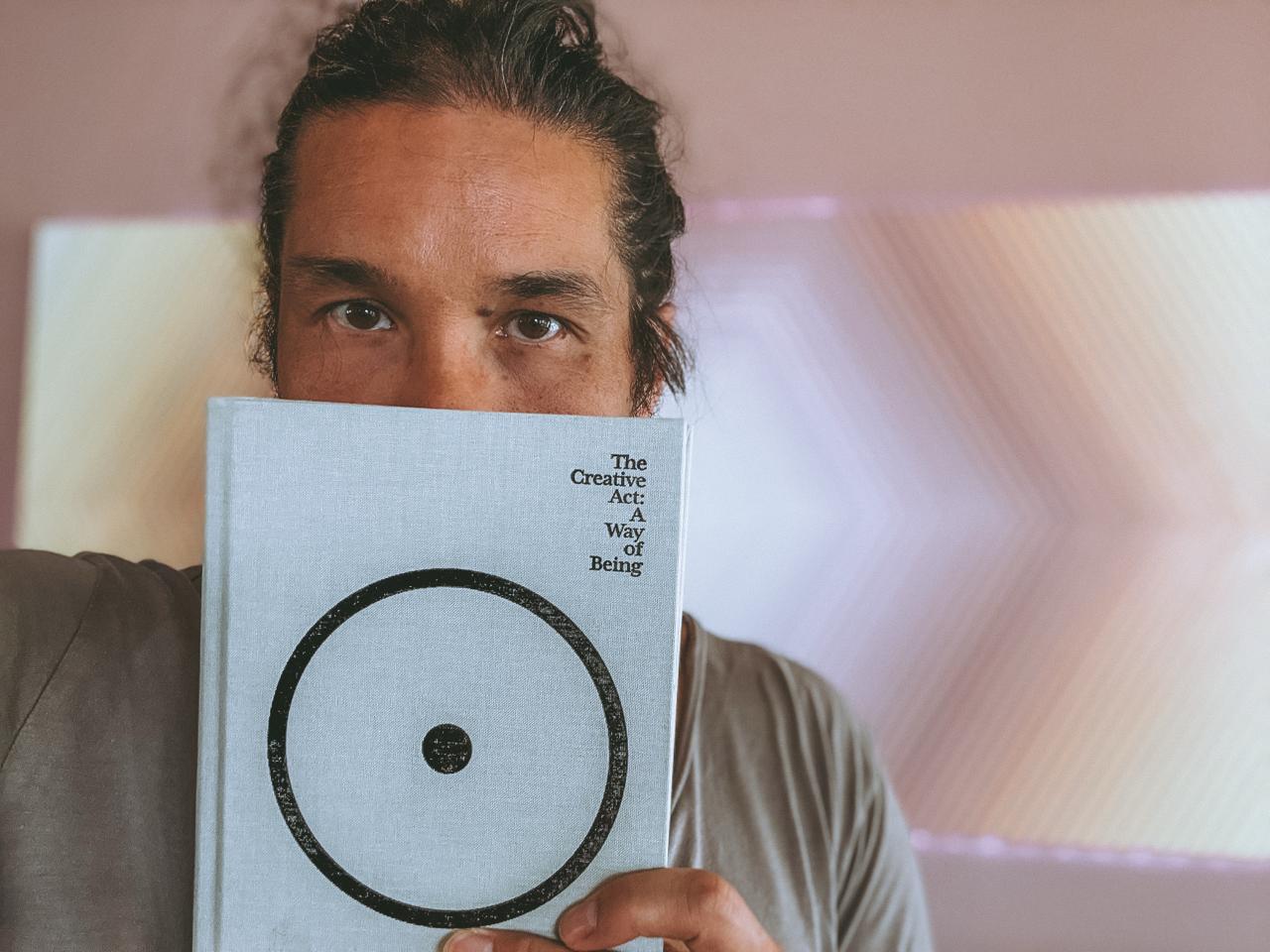
Most creativity books teach technique. Methods. Processes. Step-by-step systems. These five books teach something else. They teach how to be creative. How to access creativity. How to stay in creative practice. How to overcome what stops you. Not tactics. Fundamentals. The foundation everything else builds on. I return to these repeatedly. When stuck. When resistant. […]

About the Blogger
I was born in a low middle class conservative religious family in the suburbs of Seattle. Art was and always has been my passion, and more than that a way of life. Starting as a graphic designer, I taught myself photography, built a commercial/editorial business shooting for the worlds biggest brands like Nike, Coca-Cola, Adidas and more. I've also had the opportunity to photograph the world's biggest celebrities like Justin Bieber, Usher, Jessica Alba and more. I've curated a lifestyle around creativity and have learned a lot along the way which I get to share here.
I was born in a low middle class conservative religious family in the suburbs of Seattle. Art was and always has been my passion, and more than that a way of life. Starting as a graphic designer, I taught myself photography, built a commercial/editorial business shooting for the worlds biggest brands like Nike, Coca-Cola, Adidas and more. I've also had the opportunity to photograph the world's biggest celebrities like Justin Bieber, Usher, Jessica Alba and more. I've curated a lifestyle around creativity and have learned a lot along the way which I get to share here.
