


You can be visible without being recognizable.
Most people confuse the two.
They post constantly. Show up everywhere. Maximize exposure. They think: “The more people see me, the more my brand grows.”
But visibility isn’t the same as recognition.
Visibility is being seen once. Recognition is being remembered.
Visibility is impressions. Recognition is identity.
You can be visible to millions and recognizable to none. Or visible to thousands and recognizable to everyone who matters.
The difference determines whether you’re building a brand or just creating noise.
What Visibility Actually Is
Visibility is reach.
How many people scroll past your content. How many eyes land on your image. How many impressions you generate.
[Image: social-media-visibility-metrics.jpg] Alt Text: Social media analytics showing visibility metrics and impression counts for personal brand
It’s a numbers game. More posts. More platforms. More frequency.
The logic is simple: if enough people see you, some will remember you.
But that’s not how memory works.
Memory isn’t about repetition. It’s about distinction.
You don’t remember things because you saw them a lot. You remember things because they were different.
What Recognition Actually Is
Recognition is when someone encounters you and immediately knows who you are.
Not just your name. Your frequency.
“That’s the person who sees patterns in chaos.”
“That’s the one who talks about identity work.”
“That’s the photographer who strips everything down to presence.”

Recognition is coherent identity across every touchpoint.
When someone sees your image, reads your writing, or hears you speak, they should feel the same frequency. That consistency creates recognition.
Most people skip this step. They optimize for visibility without building the identity foundation that makes recognition possible.
The Instagram Trap
Instagram rewards visibility.
Post daily. Use trending audio. Show up in stories. The algorithm favors frequency.
So people post constantly. Different angles. Different topics. Different energy.
They’re everywhere. But they’re nowhere.
Because visibility without consistency is just noise. The audience sees you. But they don’t know what you stand for.
They can’t recognize you because there’s nothing coherent to recognize.
Recognition requires constraint. Saying the same thing in different ways. Not saying different things constantly.
The Recognition Formula
Recognition comes from this equation:
Consistency over time plus distinctive frequency equals recognition.
Not just visual consistency. Frequency consistency.

The way you see the world. The patterns you notice. The language you use. The transformation you guide people through.
When all of that stays coherent while your visibility grows, recognition builds.
But if you change your message every month chasing what works, you build visibility without recognition. People see you. They just don’t know who you are.
Why Most Personal Brands Feel Forgettable
Most personal brands are built on borrowed ideas.
Someone sees what works for others and replicates it. The frameworks. The aesthetics. The messaging.
The content performs. Gets views. Creates visibility.
But it doesn’t create recognition.
Because recognition requires originality. Not in the sense of never-been-done. In the sense of true-to-you.
When you speak from your actual seeing, your actual patterns, your actual lived authority, you create a signature frequency.
That frequency becomes recognizable.
The Coffee Shop Test
Here’s how to know if you have recognition.
Imagine someone who follows you walks into a coffee shop. They see content on a screen. Your name isn’t visible.
Can they tell it’s yours?
If yes, you have recognition. Your frequency is distinctive enough to be identified without labels.
If no, you have visibility without identity. People might see your content. But they can’t distinguish it from anyone else’s.

That test applies to everything. Your photos. Your writing. Your speaking style.
Recognition means your work is identifiable even when it’s unlabeled.
The Visual Identity Component
Recognition is partly visual.
Not just your logo. Your entire visual frequency.
The colors you use. The composition of your images. The way you’re photographed. The aesthetic coherence across platforms.
When someone sees your image and immediately knows it’s you—not because of your face, but because of the visual language—that’s recognition.
Most people neglect this. They use whatever photographer is convenient. Whatever aesthetic is trending. Whatever feels good in the moment.
The result is visual incoherence. People see you in different contexts and don’t connect the dots.
Recognition requires visual consistency that becomes signature.
The Intellectual Identity Component
Recognition is also intellectual.
The ideas you’re known for. The frameworks you teach. The patterns you point out.
Cue, signature concepts.

When you develop language for things people experience but can’t name, you create intellectual recognition.
People encounter the concept and think: “That’s their idea.”
Not because you invented the underlying truth. Because you gave it language. That language becomes associated with you.
This is why thought leaders need signature frameworks. Not to be different for difference’s sake. To create intellectual distinctiveness that builds recognition.
Visibility Without Recognition Burns Out
Here’s what happens when you chase visibility without recognition.
You post constantly. Everywhere. All the time.
The numbers grow. Followers increase. Impressions accumulate.
But conversion stays flat. Because people see you without knowing you.
They can’t remember what you stand for. They can’t articulate why they’d hire you. They just know they’ve seen your content somewhere.
That’s exhausting.
You’re working hard for visibility that doesn’t translate to business. Because visibility without recognition doesn’t build trust.
Trust requires knowing who someone is. Not just seeing them exist.
Recognition Compounds Differently
Recognition works the opposite way.
You’re not everywhere. You’re selective. You say fewer things more consistently.

The visibility numbers grow slower. But the recognition deepens faster.
When someone encounters you, they know exactly what you offer. Because your frequency is coherent.
That knowing translates to trust. And trust translates to investment.
Recognition creates premium positioning. Visibility creates commodity positioning.
The Media Difference
Media responds to recognition, not visibility.
Podcasts don’t book you because you have a lot of followers. They book you because you have a clear point of view.
Publications don’t feature you because your posts get engagement. They feature you because you represent something specific.
Speaking stages don’t hire you for your reach. They hire you for your authority.
All of that requires recognition. A coherent identity that’s bigger than any single post.
If you’re visible but not recognizable, media overlooks you. Because they need people with clear positioning.
The Client Selection Effect
Recognition changes who reaches out.
When you’re visible without recognition, you get tire-kickers. People who saw your content and want to know more. But they don’t really understand what you do.
Every conversation starts from zero. You’re explaining your value. Defending your pricing. Trying to create context.

When you have recognition, people arrive already knowing.
They’ve seen your consistency. They understand your frameworks. They know what transformation you offer.
The sales conversation becomes confirmation, not education. They’re not asking if you can help. They’re asking when you’re available.
That shift is everything.
How Recognition Actually Builds
Recognition doesn’t come from one thing. It comes from coherence across everything.
Your visual identity matches your intellectual identity. Your writing voice matches your speaking voice. Your Instagram presence matches your website presence.
Every touchpoint reinforces the others.
Someone sees your photo and feels a frequency. They read your writing and feel the same frequency. They hear you speak and recognize the pattern.
That repetition of frequency builds recognition faster than repetition of exposure.
You don’t need to be everywhere. You need to be coherent everywhere you are.
The Constraint Principle
Recognition requires saying no.
No to opportunities that don’t match your frequency. No to collaborations that dilute your message. No to content that performs but doesn’t align.
Most people can’t do this. They see an opportunity and take it. A trend and chase it. An audience and pander to it.
The visibility grows. The recognition doesn’t.
Because recognition comes from constraint. From choosing what you stand for and letting everything else go.
That constraint feels risky. But it’s the only path to distinctive identity.
The Language You Own
Part of recognition is linguistic.
The specific words and phrases you use. The way you frame concepts. The metaphors you return to.
When people start using your language, you have recognition.
“I need to work on my visual frequency.”
“I’m in my dark night of the soul.”
“I’m trying to close the gap between my three selves.”
These phrases become shorthand. They carry meaning because you gave them context.
That linguistic ownership is part of what makes you recognizable.
The Story You Tell
Recognition also comes from story.
Not your entire life story. The narrative arc you’re known for.

The transformation you lived. The pattern you discovered. The collapse that became clarity.
When you tell that story consistently, it becomes associated with you. People hear similar experiences and think of you.
That association is recognition.
Most people don’t have a signature story. They share different anecdotes constantly. The variety creates visibility. But it doesn’t create recognition.
Recognition requires returning to the same core story from different angles.
The Authority Signal
Recognition signals authority in ways visibility can’t.
When someone is recognized, it means they’ve been consistent long enough for an identity to form. That consistency signals seriousness.
Visibility can be manufactured overnight. Buy ads. Post constantly. Generate impressions.
Recognition takes time. You can’t fake coherent identity across years.
That’s why recognized brands command premium. The recognition itself is proof of substance.
The Network Effect of Recognition
Recognition creates referrals differently than visibility.
When you’re visible, people might mention you. “I saw this person’s content somewhere.”
When you’re recognizable, people describe you. “You need to work with the person who teaches about visual frequency and identity work.”

The second referral is warmer. Because the person understands what you do. They’re not just passing along a name. They’re connecting someone to a specific solution.
That specificity comes from recognition.
The Longevity Factor
Visibility is fleeting.
Algorithms change. Trends shift. Platforms evolve. What creates visibility today might not work tomorrow.
Recognition lasts.
Because it’s not tied to platform mechanics. It’s tied to identity. And identity, once established, persists.
The people who built recognition ten years ago still have it. Even if they’re less visible now.
The people who built only visibility ten years ago are starting over. Because the platforms that gave them reach have moved on.
What Stops People From Building Recognition
Most people know recognition matters.
But they choose visibility anyway. Because visibility gives faster feedback.
Post something. Get likes. Feel validated. The dopamine hit is immediate.
Recognition takes longer. You won’t see it building day-to-day. Only when you look back across months.
That delayed gratification is hard. So people optimize for the quick win.
They chase visibility. Get the numbers. Feel productive.
But they’re not building the asset that matters.
The Recognition Audit
Here’s how to check where you are.
Ask ten people who follow you: “What am I known for?”
If they give ten different answers, you have visibility without recognition.
If they give the same answer in different words, you have recognition.
The coherence of their responses tells you whether you’ve built a recognizable identity or just created noise.
Most people don’t do this audit. Because they’re afraid of the answer.
But the data is diagnostic. It shows you whether your consistency is working.
The Path Forward
If you have visibility without recognition, the fix isn’t more content.
It’s more constraint.

Pick the core thing you want to be known for. Then say it everywhere.
Not in the same words. In the same frequency.
Your photos should reflect it. Your writing should explore it. Your speaking should embody it.
That coherence will cost you some visibility. You’ll say no to things. You’ll narrow your focus.
But recognition will build. And recognition is the asset that compounds.
Why This Matters Beyond Marketing
The reason this matters extends beyond personal branding.
Recognition is integrity made visible.
When your private self, public self, and projected self align, recognition emerges naturally. Because you’re being the same person everywhere.
When they’re misaligned, you can generate visibility. But people sense the split. They see you but don’t trust you.
Recognition is the market’s way of confirming: “This person is coherent.”
That confirmation is what builds legacy.
3 Takeaways
- Visibility is being seen once. Recognition is being remembered. You can be visible to millions and recognizable to none, or visible to thousands and recognizable to everyone who matters. The difference is coherent identity across every touchpoint.
- Recognition requires consistency over time plus distinctive frequency. Not just visual consistency, but intellectual and emotional consistency. When your photos, writing, frameworks, and presence all carry the same signature frequency, recognition builds faster than visibility ever could.
- Recognition creates premium positioning while visibility creates commodity positioning. Media, stages, and premium clients respond to recognition—clear, coherent identity—not to reach numbers. The work is choosing what you stand for and letting everything else go.


LET'S CONSPIRE & CREATE
CULTIVATING YOUR VISUAL UNIQUENESS AND STREAMLINING YOUR BRAND'S EVOLUTION

You can be visible without being recognizable.
Most people confuse the two.
They post constantly. Show up everywhere. Maximize exposure. They think: “The more people see me, the more my brand grows.”
But visibility isn’t the same as recognition.
Visibility is being seen once. Recognition is being remembered.
Visibility is impressions. Recognition is identity.
You can be visible to millions and recognizable to none. Or visible to thousands and recognizable to everyone who matters.
The difference determines whether you’re building a brand or just creating noise.
What Visibility Actually Is
Visibility is reach.
How many people scroll past your content. How many eyes land on your image. How many impressions you generate.
[Image: social-media-visibility-metrics.jpg] Alt Text: Social media analytics showing visibility metrics and impression counts for personal brand
It’s a numbers game. More posts. More platforms. More frequency.
The logic is simple: if enough people see you, some will remember you.
But that’s not how memory works.
Memory isn’t about repetition. It’s about distinction.
You don’t remember things because you saw them a lot. You remember things because they were different.
What Recognition Actually Is
Recognition is when someone encounters you and immediately knows who you are.
Not just your name. Your frequency.
“That’s the person who sees patterns in chaos.”
“That’s the one who talks about identity work.”
“That’s the photographer who strips everything down to presence.”
Recognition is coherent identity across every touchpoint.
When someone sees your image, reads your writing, or hears you speak, they should feel the same frequency. That consistency creates recognition.
Most people skip this step. They optimize for visibility without building the identity foundation that makes recognition possible.
The Instagram Trap
Instagram rewards visibility.
Post daily. Use trending audio. Show up in stories. The algorithm favors frequency.
So people post constantly. Different angles. Different topics. Different energy.
They’re everywhere. But they’re nowhere.
Because visibility without consistency is just noise. The audience sees you. But they don’t know what you stand for.
They can’t recognize you because there’s nothing coherent to recognize.
Recognition requires constraint. Saying the same thing in different ways. Not saying different things constantly.
The Recognition Formula
Recognition comes from this equation:
Consistency over time plus distinctive frequency equals recognition.
Not just visual consistency. Frequency consistency.
The way you see the world. The patterns you notice. The language you use. The transformation you guide people through.
When all of that stays coherent while your visibility grows, recognition builds.
But if you change your message every month chasing what works, you build visibility without recognition. People see you. They just don’t know who you are.
Why Most Personal Brands Feel Forgettable
Most personal brands are built on borrowed ideas.
Someone sees what works for others and replicates it. The frameworks. The aesthetics. The messaging.
The content performs. Gets views. Creates visibility.
But it doesn’t create recognition.
Because recognition requires originality. Not in the sense of never-been-done. In the sense of true-to-you.
When you speak from your actual seeing, your actual patterns, your actual lived authority, you create a signature frequency.
That frequency becomes recognizable.
The Coffee Shop Test
Here’s how to know if you have recognition.
Imagine someone who follows you walks into a coffee shop. They see content on a screen. Your name isn’t visible.
Can they tell it’s yours?
If yes, you have recognition. Your frequency is distinctive enough to be identified without labels.
If no, you have visibility without identity. People might see your content. But they can’t distinguish it from anyone else’s.
That test applies to everything. Your photos. Your writing. Your speaking style.
Recognition means your work is identifiable even when it’s unlabeled.
The Visual Identity Component
Recognition is partly visual.
Not just your logo. Your entire visual frequency.
The colors you use. The composition of your images. The way you’re photographed. The aesthetic coherence across platforms.
When someone sees your image and immediately knows it’s you—not because of your face, but because of the visual language—that’s recognition.
Most people neglect this. They use whatever photographer is convenient. Whatever aesthetic is trending. Whatever feels good in the moment.
The result is visual incoherence. People see you in different contexts and don’t connect the dots.
Recognition requires visual consistency that becomes signature.
The Intellectual Identity Component
Recognition is also intellectual.
The ideas you’re known for. The frameworks you teach. The patterns you point out.
Cue, signature concepts.
When you develop language for things people experience but can’t name, you create intellectual recognition.
People encounter the concept and think: “That’s their idea.”
Not because you invented the underlying truth. Because you gave it language. That language becomes associated with you.
This is why thought leaders need signature frameworks. Not to be different for difference’s sake. To create intellectual distinctiveness that builds recognition.
Visibility Without Recognition Burns Out
Here’s what happens when you chase visibility without recognition.
You post constantly. Everywhere. All the time.
The numbers grow. Followers increase. Impressions accumulate.
But conversion stays flat. Because people see you without knowing you.
They can’t remember what you stand for. They can’t articulate why they’d hire you. They just know they’ve seen your content somewhere.
That’s exhausting.
You’re working hard for visibility that doesn’t translate to business. Because visibility without recognition doesn’t build trust.
Trust requires knowing who someone is. Not just seeing them exist.
Recognition Compounds Differently
Recognition works the opposite way.
You’re not everywhere. You’re selective. You say fewer things more consistently.
The visibility numbers grow slower. But the recognition deepens faster.
When someone encounters you, they know exactly what you offer. Because your frequency is coherent.
That knowing translates to trust. And trust translates to investment.
Recognition creates premium positioning. Visibility creates commodity positioning.
The Media Difference
Media responds to recognition, not visibility.
Podcasts don’t book you because you have a lot of followers. They book you because you have a clear point of view.
Publications don’t feature you because your posts get engagement. They feature you because you represent something specific.
Speaking stages don’t hire you for your reach. They hire you for your authority.
All of that requires recognition. A coherent identity that’s bigger than any single post.
If you’re visible but not recognizable, media overlooks you. Because they need people with clear positioning.
The Client Selection Effect
Recognition changes who reaches out.
When you’re visible without recognition, you get tire-kickers. People who saw your content and want to know more. But they don’t really understand what you do.
Every conversation starts from zero. You’re explaining your value. Defending your pricing. Trying to create context.
When you have recognition, people arrive already knowing.
They’ve seen your consistency. They understand your frameworks. They know what transformation you offer.
The sales conversation becomes confirmation, not education. They’re not asking if you can help. They’re asking when you’re available.
That shift is everything.
How Recognition Actually Builds
Recognition doesn’t come from one thing. It comes from coherence across everything.
Your visual identity matches your intellectual identity. Your writing voice matches your speaking voice. Your Instagram presence matches your website presence.
Every touchpoint reinforces the others.
Someone sees your photo and feels a frequency. They read your writing and feel the same frequency. They hear you speak and recognize the pattern.
That repetition of frequency builds recognition faster than repetition of exposure.
You don’t need to be everywhere. You need to be coherent everywhere you are.
The Constraint Principle
Recognition requires saying no.
No to opportunities that don’t match your frequency. No to collaborations that dilute your message. No to content that performs but doesn’t align.
Most people can’t do this. They see an opportunity and take it. A trend and chase it. An audience and pander to it.
The visibility grows. The recognition doesn’t.
Because recognition comes from constraint. From choosing what you stand for and letting everything else go.
That constraint feels risky. But it’s the only path to distinctive identity.
The Language You Own
Part of recognition is linguistic.
The specific words and phrases you use. The way you frame concepts. The metaphors you return to.
When people start using your language, you have recognition.
“I need to work on my visual frequency.”
“I’m in my dark night of the soul.”
“I’m trying to close the gap between my three selves.”
These phrases become shorthand. They carry meaning because you gave them context.
That linguistic ownership is part of what makes you recognizable.
The Story You Tell
Recognition also comes from story.
Not your entire life story. The narrative arc you’re known for.
The transformation you lived. The pattern you discovered. The collapse that became clarity.
When you tell that story consistently, it becomes associated with you. People hear similar experiences and think of you.
That association is recognition.
Most people don’t have a signature story. They share different anecdotes constantly. The variety creates visibility. But it doesn’t create recognition.
Recognition requires returning to the same core story from different angles.
The Authority Signal
Recognition signals authority in ways visibility can’t.
When someone is recognized, it means they’ve been consistent long enough for an identity to form. That consistency signals seriousness.
Visibility can be manufactured overnight. Buy ads. Post constantly. Generate impressions.
Recognition takes time. You can’t fake coherent identity across years.
That’s why recognized brands command premium. The recognition itself is proof of substance.
The Network Effect of Recognition
Recognition creates referrals differently than visibility.
When you’re visible, people might mention you. “I saw this person’s content somewhere.”
When you’re recognizable, people describe you. “You need to work with the person who teaches about visual frequency and identity work.”
The second referral is warmer. Because the person understands what you do. They’re not just passing along a name. They’re connecting someone to a specific solution.
That specificity comes from recognition.
The Longevity Factor
Visibility is fleeting.
Algorithms change. Trends shift. Platforms evolve. What creates visibility today might not work tomorrow.
Recognition lasts.
Because it’s not tied to platform mechanics. It’s tied to identity. And identity, once established, persists.
The people who built recognition ten years ago still have it. Even if they’re less visible now.
The people who built only visibility ten years ago are starting over. Because the platforms that gave them reach have moved on.
What Stops People From Building Recognition
Most people know recognition matters.
But they choose visibility anyway. Because visibility gives faster feedback.
Post something. Get likes. Feel validated. The dopamine hit is immediate.
Recognition takes longer. You won’t see it building day-to-day. Only when you look back across months.
That delayed gratification is hard. So people optimize for the quick win.
They chase visibility. Get the numbers. Feel productive.
But they’re not building the asset that matters.
The Recognition Audit
Here’s how to check where you are.
Ask ten people who follow you: “What am I known for?”
If they give ten different answers, you have visibility without recognition.
If they give the same answer in different words, you have recognition.
The coherence of their responses tells you whether you’ve built a recognizable identity or just created noise.
Most people don’t do this audit. Because they’re afraid of the answer.
But the data is diagnostic. It shows you whether your consistency is working.
The Path Forward
If you have visibility without recognition, the fix isn’t more content.
It’s more constraint.
Pick the core thing you want to be known for. Then say it everywhere.
Not in the same words. In the same frequency.
Your photos should reflect it. Your writing should explore it. Your speaking should embody it.
That coherence will cost you some visibility. You’ll say no to things. You’ll narrow your focus.
But recognition will build. And recognition is the asset that compounds.
Why This Matters Beyond Marketing
The reason this matters extends beyond personal branding.
Recognition is integrity made visible.
When your private self, public self, and projected self align, recognition emerges naturally. Because you’re being the same person everywhere.
When they’re misaligned, you can generate visibility. But people sense the split. They see you but don’t trust you.
Recognition is the market’s way of confirming: “This person is coherent.”
That confirmation is what builds legacy.
3 Takeaways
- Visibility is being seen once. Recognition is being remembered. You can be visible to millions and recognizable to none, or visible to thousands and recognizable to everyone who matters. The difference is coherent identity across every touchpoint.
- Recognition requires consistency over time plus distinctive frequency. Not just visual consistency, but intellectual and emotional consistency. When your photos, writing, frameworks, and presence all carry the same signature frequency, recognition builds faster than visibility ever could.
- Recognition creates premium positioning while visibility creates commodity positioning. Media, stages, and premium clients respond to recognition—clear, coherent identity—not to reach numbers. The work is choosing what you stand for and letting everything else go.

3/13/26
The Difference Between Being Seen and Being Recognized
infuse your vision with a fresh breath of creativity and vitality
BOOK A BRAND PHOTOSHOOT


GET THE DETAILS
GET THE DETAILS
infuse your vision with a fresh breath of creativity and vitality

PODCAST
BRAND INTELLIGENCE
CREATIVE INTELLIGENCE
LIFE INTELLIGENCE


masterfully aligning perception and reality through personal branding


masterfully aligning perception and reality through personal branding


You can be visible without being recognizable.
Most people confuse the two.
They post constantly. Show up everywhere. Maximize exposure. They think: “The more people see me, the more my brand grows.”
But visibility isn’t the same as recognition.
Visibility is being seen once. Recognition is being remembered.
Visibility is impressions. Recognition is identity.
You can be visible to millions and recognizable to none. Or visible to thousands and recognizable to everyone who matters.
The difference determines whether you’re building a brand or just creating noise.
What Visibility Actually Is
Visibility is reach.
How many people scroll past your content. How many eyes land on your image. How many impressions you generate.
[Image: social-media-visibility-metrics.jpg] Alt Text: Social media analytics showing visibility metrics and impression counts for personal brand
It’s a numbers game. More posts. More platforms. More frequency.
The logic is simple: if enough people see you, some will remember you.
But that’s not how memory works.
Memory isn’t about repetition. It’s about distinction.
You don’t remember things because you saw them a lot. You remember things because they were different.
What Recognition Actually Is
Recognition is when someone encounters you and immediately knows who you are.
Not just your name. Your frequency.
“That’s the person who sees patterns in chaos.”
“That’s the one who talks about identity work.”
“That’s the photographer who strips everything down to presence.”
Recognition is coherent identity across every touchpoint.
When someone sees your image, reads your writing, or hears you speak, they should feel the same frequency. That consistency creates recognition.
Most people skip this step. They optimize for visibility without building the identity foundation that makes recognition possible.
The Instagram Trap
Instagram rewards visibility.
Post daily. Use trending audio. Show up in stories. The algorithm favors frequency.
So people post constantly. Different angles. Different topics. Different energy.
They’re everywhere. But they’re nowhere.
Because visibility without consistency is just noise. The audience sees you. But they don’t know what you stand for.
They can’t recognize you because there’s nothing coherent to recognize.
Recognition requires constraint. Saying the same thing in different ways. Not saying different things constantly.
The Recognition Formula
Recognition comes from this equation:
Consistency over time plus distinctive frequency equals recognition.
Not just visual consistency. Frequency consistency.
The way you see the world. The patterns you notice. The language you use. The transformation you guide people through.
When all of that stays coherent while your visibility grows, recognition builds.
But if you change your message every month chasing what works, you build visibility without recognition. People see you. They just don’t know who you are.
Why Most Personal Brands Feel Forgettable
Most personal brands are built on borrowed ideas.
Someone sees what works for others and replicates it. The frameworks. The aesthetics. The messaging.
The content performs. Gets views. Creates visibility.
But it doesn’t create recognition.
Because recognition requires originality. Not in the sense of never-been-done. In the sense of true-to-you.
When you speak from your actual seeing, your actual patterns, your actual lived authority, you create a signature frequency.
That frequency becomes recognizable.
The Coffee Shop Test
Here’s how to know if you have recognition.
Imagine someone who follows you walks into a coffee shop. They see content on a screen. Your name isn’t visible.
Can they tell it’s yours?
If yes, you have recognition. Your frequency is distinctive enough to be identified without labels.
If no, you have visibility without identity. People might see your content. But they can’t distinguish it from anyone else’s.
That test applies to everything. Your photos. Your writing. Your speaking style.
Recognition means your work is identifiable even when it’s unlabeled.
The Visual Identity Component
Recognition is partly visual.
Not just your logo. Your entire visual frequency.
The colors you use. The composition of your images. The way you’re photographed. The aesthetic coherence across platforms.
When someone sees your image and immediately knows it’s you—not because of your face, but because of the visual language—that’s recognition.
Most people neglect this. They use whatever photographer is convenient. Whatever aesthetic is trending. Whatever feels good in the moment.
The result is visual incoherence. People see you in different contexts and don’t connect the dots.
Recognition requires visual consistency that becomes signature.
The Intellectual Identity Component
Recognition is also intellectual.
The ideas you’re known for. The frameworks you teach. The patterns you point out.
Cue, signature concepts.
When you develop language for things people experience but can’t name, you create intellectual recognition.
People encounter the concept and think: “That’s their idea.”
Not because you invented the underlying truth. Because you gave it language. That language becomes associated with you.
This is why thought leaders need signature frameworks. Not to be different for difference’s sake. To create intellectual distinctiveness that builds recognition.
Visibility Without Recognition Burns Out
Here’s what happens when you chase visibility without recognition.
You post constantly. Everywhere. All the time.
The numbers grow. Followers increase. Impressions accumulate.
But conversion stays flat. Because people see you without knowing you.
They can’t remember what you stand for. They can’t articulate why they’d hire you. They just know they’ve seen your content somewhere.
That’s exhausting.
You’re working hard for visibility that doesn’t translate to business. Because visibility without recognition doesn’t build trust.
Trust requires knowing who someone is. Not just seeing them exist.
Recognition Compounds Differently
Recognition works the opposite way.
You’re not everywhere. You’re selective. You say fewer things more consistently.
The visibility numbers grow slower. But the recognition deepens faster.
When someone encounters you, they know exactly what you offer. Because your frequency is coherent.
That knowing translates to trust. And trust translates to investment.
Recognition creates premium positioning. Visibility creates commodity positioning.
The Media Difference
Media responds to recognition, not visibility.
Podcasts don’t book you because you have a lot of followers. They book you because you have a clear point of view.
Publications don’t feature you because your posts get engagement. They feature you because you represent something specific.
Speaking stages don’t hire you for your reach. They hire you for your authority.
All of that requires recognition. A coherent identity that’s bigger than any single post.
If you’re visible but not recognizable, media overlooks you. Because they need people with clear positioning.
The Client Selection Effect
Recognition changes who reaches out.
When you’re visible without recognition, you get tire-kickers. People who saw your content and want to know more. But they don’t really understand what you do.
Every conversation starts from zero. You’re explaining your value. Defending your pricing. Trying to create context.
When you have recognition, people arrive already knowing.
They’ve seen your consistency. They understand your frameworks. They know what transformation you offer.
The sales conversation becomes confirmation, not education. They’re not asking if you can help. They’re asking when you’re available.
That shift is everything.
How Recognition Actually Builds
Recognition doesn’t come from one thing. It comes from coherence across everything.
Your visual identity matches your intellectual identity. Your writing voice matches your speaking voice. Your Instagram presence matches your website presence.
Every touchpoint reinforces the others.
Someone sees your photo and feels a frequency. They read your writing and feel the same frequency. They hear you speak and recognize the pattern.
That repetition of frequency builds recognition faster than repetition of exposure.
You don’t need to be everywhere. You need to be coherent everywhere you are.
The Constraint Principle
Recognition requires saying no.
No to opportunities that don’t match your frequency. No to collaborations that dilute your message. No to content that performs but doesn’t align.
Most people can’t do this. They see an opportunity and take it. A trend and chase it. An audience and pander to it.
The visibility grows. The recognition doesn’t.
Because recognition comes from constraint. From choosing what you stand for and letting everything else go.
That constraint feels risky. But it’s the only path to distinctive identity.
The Language You Own
Part of recognition is linguistic.
The specific words and phrases you use. The way you frame concepts. The metaphors you return to.
When people start using your language, you have recognition.
“I need to work on my visual frequency.”
“I’m in my dark night of the soul.”
“I’m trying to close the gap between my three selves.”
These phrases become shorthand. They carry meaning because you gave them context.
That linguistic ownership is part of what makes you recognizable.
The Story You Tell
Recognition also comes from story.
Not your entire life story. The narrative arc you’re known for.
The transformation you lived. The pattern you discovered. The collapse that became clarity.
When you tell that story consistently, it becomes associated with you. People hear similar experiences and think of you.
That association is recognition.
Most people don’t have a signature story. They share different anecdotes constantly. The variety creates visibility. But it doesn’t create recognition.
Recognition requires returning to the same core story from different angles.
The Authority Signal
Recognition signals authority in ways visibility can’t.
When someone is recognized, it means they’ve been consistent long enough for an identity to form. That consistency signals seriousness.
Visibility can be manufactured overnight. Buy ads. Post constantly. Generate impressions.
Recognition takes time. You can’t fake coherent identity across years.
That’s why recognized brands command premium. The recognition itself is proof of substance.
The Network Effect of Recognition
Recognition creates referrals differently than visibility.
When you’re visible, people might mention you. “I saw this person’s content somewhere.”
When you’re recognizable, people describe you. “You need to work with the person who teaches about visual frequency and identity work.”
The second referral is warmer. Because the person understands what you do. They’re not just passing along a name. They’re connecting someone to a specific solution.
That specificity comes from recognition.
The Longevity Factor
Visibility is fleeting.
Algorithms change. Trends shift. Platforms evolve. What creates visibility today might not work tomorrow.
Recognition lasts.
Because it’s not tied to platform mechanics. It’s tied to identity. And identity, once established, persists.
The people who built recognition ten years ago still have it. Even if they’re less visible now.
The people who built only visibility ten years ago are starting over. Because the platforms that gave them reach have moved on.
What Stops People From Building Recognition
Most people know recognition matters.
But they choose visibility anyway. Because visibility gives faster feedback.
Post something. Get likes. Feel validated. The dopamine hit is immediate.
Recognition takes longer. You won’t see it building day-to-day. Only when you look back across months.
That delayed gratification is hard. So people optimize for the quick win.
They chase visibility. Get the numbers. Feel productive.
But they’re not building the asset that matters.
The Recognition Audit
Here’s how to check where you are.
Ask ten people who follow you: “What am I known for?”
If they give ten different answers, you have visibility without recognition.
If they give the same answer in different words, you have recognition.
The coherence of their responses tells you whether you’ve built a recognizable identity or just created noise.
Most people don’t do this audit. Because they’re afraid of the answer.
But the data is diagnostic. It shows you whether your consistency is working.
The Path Forward
If you have visibility without recognition, the fix isn’t more content.
It’s more constraint.
Pick the core thing you want to be known for. Then say it everywhere.
Not in the same words. In the same frequency.
Your photos should reflect it. Your writing should explore it. Your speaking should embody it.
That coherence will cost you some visibility. You’ll say no to things. You’ll narrow your focus.
But recognition will build. And recognition is the asset that compounds.
Why This Matters Beyond Marketing
The reason this matters extends beyond personal branding.
Recognition is integrity made visible.
When your private self, public self, and projected self align, recognition emerges naturally. Because you’re being the same person everywhere.
When they’re misaligned, you can generate visibility. But people sense the split. They see you but don’t trust you.
Recognition is the market’s way of confirming: “This person is coherent.”
That confirmation is what builds legacy.
3 Takeaways
- Visibility is being seen once. Recognition is being remembered. You can be visible to millions and recognizable to none, or visible to thousands and recognizable to everyone who matters. The difference is coherent identity across every touchpoint.
- Recognition requires consistency over time plus distinctive frequency. Not just visual consistency, but intellectual and emotional consistency. When your photos, writing, frameworks, and presence all carry the same signature frequency, recognition builds faster than visibility ever could.
- Recognition creates premium positioning while visibility creates commodity positioning. Media, stages, and premium clients respond to recognition—clear, coherent identity—not to reach numbers. The work is choosing what you stand for and letting everything else go.
3/13/26
The Difference Between Being Seen and Being Recognized
When you need a trusted creative partner in the room.
Take the Fit Check
Be seen at the level you’re stepping into.

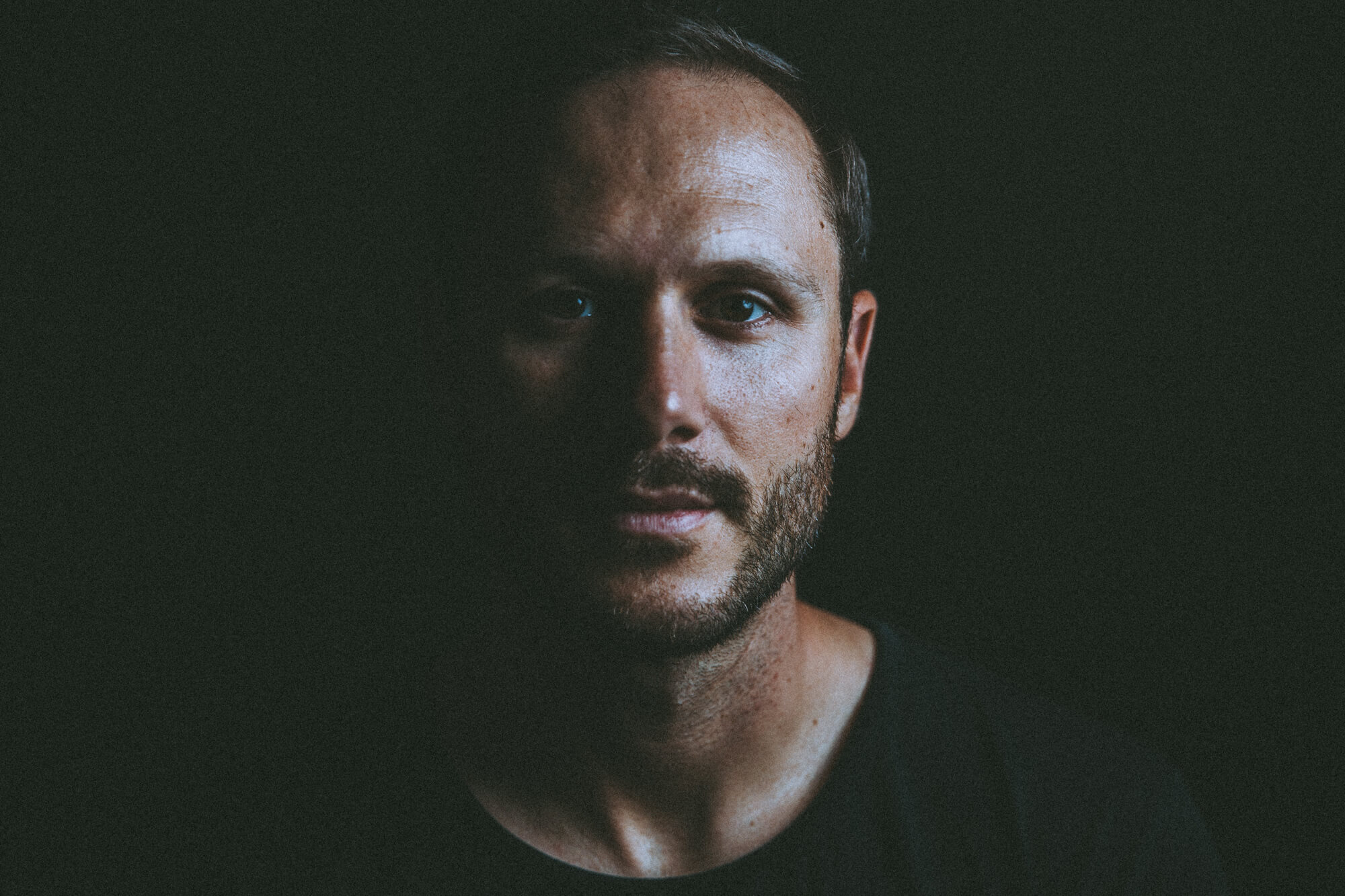
Hey! I'm Nick.
PHOTOGRAPHER
BRAND ALCHEMIST
TEACHER
At vero eos et accusamus et iusto odio dignissimos ducimus qui blanditiis praesentium voluptatum deleniti atque corrupti quos dolores et quas molestias excepturi sint occaecati cupiditate non provident, similique sunt in culpa qui officia deserunt mollitia.
Build authority from the inside out.
Emanate is a creative-direction-led photography experience for entrepreneurs, speakers, and thought leaders in a moment of expansion. This isn’t about better photos. It’s about aligning how you’re seen with who you’ve become. For seasons of rebrand, visibility, and next-level leadership.

Magnetic Authority is a self-guided container for people who feel visible, but not fully anchored.
If your message keeps shifting, your brand feels inconsistent, or your presence doesn’t match your capability yet. This is where you build the foundation before you scale.
Take the Fit Check
Start Here
For founders, creatives, and leaders who want a trusted long-term partner. This isn’t coaching or traditional consulting.
It’s an ongoing creative partnership focused on bringing your personal brand identity to life.
Your brand. Your website. Your visuals.
All shaped as a direct extension of who you are. The work also includes a bespoke process of identifying and aligning the right experts when needed, so nothing gets built out of sync with your core.
Explore the Partnership

Quiet. Precise. Highly Selective.
read the latest
You had the insight. The breakthrough moment, the realization, the epiphany, the profound understanding. Deep knowing about who you are, what you offer, and how you’re different. Life-changing clarity about your positioning, your value, and your authority. Then what changed? Actually changed? Behaviorally, practically, visibly? In how you show up, how you speak, how you […]
You are established. Actually established. Years in business, real results created, genuine expertise developed, actual clients served, tangible transformations delivered, proven value demonstrated. You’ve built real authority through real work over real time with real outcomes. But you don’t look established. Your brand doesn’t show it, your presence doesn’t reflect it, your positioning doesn’t communicate […]
Connor Beaton leads men into their shadows. Not the surface-level masculinity work. Not the “alpha male” performance. Not the toxic patterns disguised as strength. Shadow work. Carl Jung. Integration. The parts men hide. The parts they fear. The parts that control them when unexamined. His brand needed to reflect that depth. That willingness to look […]
You keep rebuilding. New brand, new colors, new photos, new messaging, new positioning, new website, new everything. Every six months, every year, every time it feels wrong and stops working. Hoping this time fixes it, this time solves it, this time creates the authority and positioning you need. It doesn’t. It never does. Because you’re […]
You know things. Real things. Earned through years of experience. Patterns most people miss. Insights that could transform how your audience operates. But nobody knows you know them. You’re the hidden expert. Competent. Skilled. Valuable. Invisible. The shift from hidden expert to recognized authority doesn’t start where most people think. Not with better marketing. Not […]
Devotion isn’t soft. It’s the hardest thing you’ll ever practice. Most people think devotion means passion. Excitement. The feeling you get when inspiration strikes and everything flows. That’s not devotion. That’s infatuation. Devotion is showing up when inspiration is gone. When the work feels mechanical. When no one is watching and there’s no immediate reward. […]

You redesign your logo for the third time. Still doesn’t feel right. You hire another designer. Try different colors. New fonts. Different aesthetic entirely. Still wrong. So you conclude: “I just need better branding.” But the crisis isn’t your logo. It’s not your color palette. It’s not your website design. The crisis is deeper. You […]
You can be visible without being recognizable. Most people confuse the two. They post constantly. Show up everywhere. Maximize exposure. They think: “The more people see me, the more my brand grows.” But visibility isn’t the same as recognition. Visibility is being seen once. Recognition is being remembered. Visibility is impressions. Recognition is identity. You […]

Emma Reicher was hidden. No real brand. No photos of herself. Just lofi graphics that looked student-made. She had the credentials. Maturation coach. Qigong practitioner. Psychotherapy background. Real expertise. But nobody could see her. Nobody could feel her. The gap between who she was and how she showed up publicly was complete invisibility. The Fear […]

You’re not one person. You’re three. Right now, in this moment, you’re simultaneously living as three different versions of yourself. Most people never realize this. They think identity is singular. Fixed. One coherent self moving through the world. It’s not. You have a private self. The person you are when no one is watching. The […]

You got the photos back. They’re professionally lit. Perfectly composed. Technically flawless. But when you look at them, something feels wrong. That person in the images looks like you. Same face. Same features. But the energy is off. The presence doesn’t match. When you see those photos, you don’t think “that’s me.” You think “that’s […]

There’s a moment when someone stops holding back. Not loudly.Not dramatically. Quietly. That’s where Elena was when we began. The Moment Before the Shift Elena already had depth. Her thinking was clear.Her work was resonant.Her leadership was forming. But her visuals were still careful. They hinted at who she was becoming without fully letting her […]

TL;DR – What You’ll Learn in This Post There’s a feeling you recognize when it happens. Nothing is split.Nothing is rushed.Nothing is held back. Your thoughts, body, and actions move together. This is embodied coherence. What Embodied Coherence Really Is Embodied coherence isn’t intensity.It’s not confidence.It’s not motivation. It’s alignment in motion. What you feel […]

About the Blogger
I was born in a low middle class conservative religious family in the suburbs of Seattle. Art was and always has been my passion, and more than that a way of life. Starting as a graphic designer, I taught myself photography, built a commercial/editorial business shooting for the worlds biggest brands like Nike, Coca-Cola, Adidas and more. I've also had the opportunity to photograph the world's biggest celebrities like Justin Bieber, Usher, Jessica Alba and more. I've curated a lifestyle around creativity and have learned a lot along the way which I get to share here.
I was born in a low middle class conservative religious family in the suburbs of Seattle. Art was and always has been my passion, and more than that a way of life. Starting as a graphic designer, I taught myself photography, built a commercial/editorial business shooting for the worlds biggest brands like Nike, Coca-Cola, Adidas and more. I've also had the opportunity to photograph the world's biggest celebrities like Justin Bieber, Usher, Jessica Alba and more. I've curated a lifestyle around creativity and have learned a lot along the way which I get to share here.
