


[smart_track_player url=”https://soundcloud.com/nickonken/art-streiber-best-portrait-photographers” title=”Art Streiber – What It Takes To Become a World Class Photographer” image=”https://nionlife.com/wp-content/uploads/2014/07/24_ArtStrieber_NIONradio_02.jpg” color=”de4b9b” ]
“My workflow is: The answer is, ‘Yes.’ Now what’s the question?”
– Art Streiber
Hey guys, welcome back to ONKEN RADIO, the podcast where we explore the body, mind, and soul of the creative entrepreneur. It’s my goal to help you take your creativity, business, and life to the next level. I’m so glad you’re joining me on this journey!
What does it take to get to the top of your field? No matter what creative area you work in, you’ve got to have a certain amount of talent, but that’s not enough to make it to the level of someone like my guest today. What are the other pieces of the puzzle that have to come together for you to be a successful creative entrepreneur?
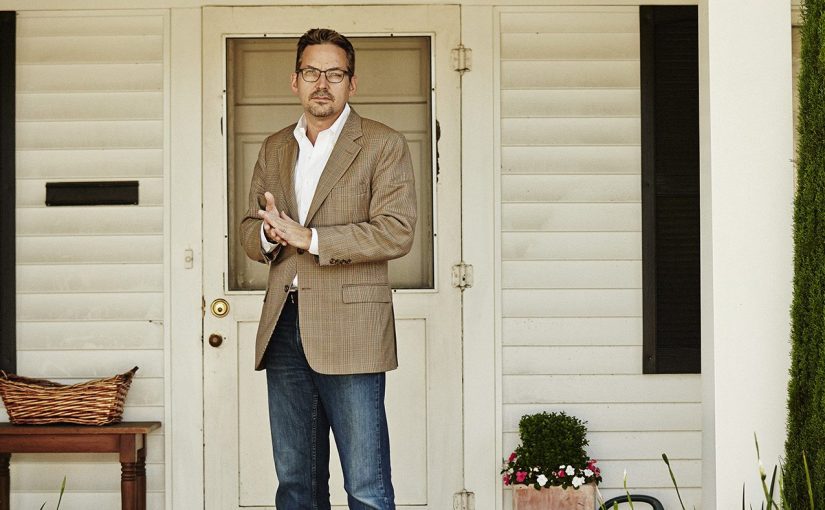
World-renowned portrait photographer Art Streiber has a few ideas on this subject. For more than 20 years now, he has been building a massive reputation. He’s one of the most talented photographers in the business, but he’s also a true leader. His years of experience have given him an enormous well of wisdom, and he’s generously agreed to sit down and share some of it with me today.
“… If you pick up a magazine … and you’re leafing through it, you stop for one of three reasons. Either the photograph has just drawn you in, or, two, the word ‘sex’ is in the headline, or, three, this subject directly resonates with you for some reason. … So the photography carries a lot of responsibility. It’s our job as … photographers to grab the viewer and draw them in … with imagery that makes you stop and say, ‘Wow, that is cool!’”
– Art Streiber
Art Streiber understands how important it is to tell a story with your art. He also understands how to create an organized business that facilitates the creative process. Let’s dive into this interview to see how we can all become more influential creative voices in the world.
Who Is Art Streiber?
Art Streiber is a legend in the world of photography. He’s a celebrated and highly-respected portrait photographer. If you can think of a celebrity, there’s a good chance that Art has taken their photograph at some point, but his work covers a much broader range of subjects than just Hollywood’s most famous.
Over his career, Art has shot for titans in the magazine industry, such as Vanity Fair, GQ, and Entertainment Weekly. And outside of the magazine world, he’s shot for ABC, NBC, HBO, Cadillac, Disneyland, and many more. If you want to check out Art’s body of work, take a look at his website. This man has produced some gorgeous works of art.
But Art isn’t just an incredibly talented artist. He’s also a genuinely warm human. I believe that leads him to create a strong rapport with his subjects, which allows him to take truly great photographs.
But rest assured, Art didn’t start at the top. He had to earn his place among the photography legends. When he was a little kid, he started playing around with his father’s camera and his grandfather’s darkroom. He worked for school newspapers in high school and college, and eventually landed his first major staff photographer position at Women’s Wear Daily in 1987. That’s where he got his start photographing the celebrity scene in LA, and this is when he truly developed his skills and work ethic.
“My training was, ‘Tell me the assignment, and I’ll go do it. I’ll just figure out how to get it done.’ So that was kind of my workflow, I would say, probably for the last 20 years. … I still kind of think that way, basically, that my workflow is, ‘The answer is yes. Now, what’s the [assignment]?’”
– Art Streiber
I’m so excited to have Art on the podcast today! I’ve been a fan of his work for a long time, so it’s great to sit down and have a conversation with him. Let’s dive in.
How Do You Eat An Elephant?
One of the things I was most excited to talk to Art about was his creative process. As a photographer myself, I’m always looking for ways to improve my craft and for advice from the greats who have gone before me. One of the best pieces of wisdom Art had to share was that in photography (or any major creative project), you just have to take it one little step at a time.
“One of the things that I’ve … been able to train myself to do is to just take the project and break it up into smaller pieces, so it doesn’t seem as overwhelming. And there’s that old joke … ‘How do you eat an elephant?’ And the answer is, ‘One bite at a time.’ So I just have to take it one piece at a time and break it down and solve each of those things piecemeal.”
– Art Streiber
It’s true. The best way to take on any significant creative project is to break it into small pieces and handle them one at a time. In the world of creative entrepreneurship, the drive to hustle and take on bigger and bigger projects is strong. But if you try to eat the elephant all at once, you’re going to get overwhelmed pretty quickly.
And it’s essential to avoid that experience of overwhelm and burnout because you can’t create your best work when you’re in that state. And whether you’re working on a personal passion project or a more commercial endeavor, you only want your name on your finest work. It’s important to take things slow and carefully protect your vision for the project.
“At the end of the day, you and I open a magazine, your name is on the photo. My name is on the photo. It doesn’t say, ‘concept by the editors at this magazine.’ It doesn’t say, ‘really mediocre idea by the editors at this magazine.’ It just says, ‘Art Streiber’ or, ‘Nick Onken.’”
– Art Streiber
If you’re going to put your name on a piece of art, it has to be the best, right? You want to be proud of your work. So make sure to take big projects in small pieces, and you’ll be sure to find success.
Balancing Collaboration and Leadership
When you’re in a creative industry — no matter your preferred medium or craft — you’re going to have the experience of working with other people. Collaboration is powerful, and often some of the best work comes out of our collaborations with other artists.
Art Streiber strongly values collaboration. He expects his team to bring their best to the set and speak up if they have ideas.
“… Once I’m committed, then I’m going to make this the best possible version of this thing I can — which means that now I am managing [the client’s] expectations and managing my crew and managing the wardrobe, hair, makeup, props, the publicist, the talent — all in the name of getting us to this place of realizing this idea and collaborating with everybody … all the while being open to the possibility that your idea could be improved by one of those collaborators.”
– Art Streiber
Art strikes a careful balance on his sets. He loves to get input from other people; if one of his assistants has a good suggestion, he’s happy to take it! But again, at the end of the day, it will be his name in the credits, and he knows he has to protect his vision while collaborating at the same time.
“… My best friend from college — who is a director and a video producer — he gave me a gift. And that gift was he came to one of my sets, and he said, ‘Oh, you’re a director.’ And I said, ‘No no no, I’m a photographer.’ And he said, ‘No, you’re a director.’ And I thought, ‘Oh crap. Right. I’m a director.’ My job is to inspire, move, push, encourage, reward, and manage this team.”
– Art Streiber
When you’re managing a team and working on a creative project, it’s essential to be a good leader. You’re the person in charge, and no one else is going to fulfill your vision for the project but you. However, it’s also important to listen to your collaborators’ input — sometimes their ideas can elevate yours and help you create something more beautiful than you might have imagined.
Get Organized
Let’s face it — sometimes as creatives, organizing is not our strong suit. Art has a funny theory about this:
“I have this theory called the ‘Van Gogh’s Ear Theory,’ which is: If you are an artist that is crazy enough to cut off his own ear, you probably need a studio manager. So either you run a small business, and you have to kind of treat it and organize it like a small business [or], if you can’t, you’ve got to find somebody who can …”
– Art Streiber
As artists and creative entrepreneurs, most of us are working independently. That means that if and when we don’t succeed in our business or finances, we have only ourselves to blame.
That’s why self-awareness is critical. If you know you can manage your own projects, handle the paperwork, communicate with clients and talent, and keep solid financial records by yourself, do it. But if you know that’s just too much for you, hire someone to handle that kind of work. If you want your business to grow, and you want to accumulate personal wealth through your work, you’re going to need somebody who can manage the business side of things.
And remember — hiring someone to help you with your business does not take away any of your creative autonomy. In fact, it frees you up to do the work you’re passionate about:
“… There are systems in place for every normal workflow that we have. … And that’s huge. … It frees me to spend more time on the creative because all of the nuts and bolts stuff is in place.”
– Art Streiber
Think about how you’re managing your small business. Would you benefit from having somebody to help you manage the financial side of things? It’s no different from collaborating with someone artistically — and this kind of business collaboration is certain to help you grow and expand your career as an entrepreneur.
Be a Creative Alchemist with Art Streiber
Alchemy is defined as the process of taking something ordinary and turning it into something extraordinary, sometimes in a way that cannot be explained.
With that being said, I define Creative Alchemy as using the process of creativity to create a lens of which to perform alchemy. These principles not only apply to artists and creatives in their own creative processes, but to anyone who wants to create an extraordinary life in color for themselves. I’ve found that 80% of creating is alchemizing the thoughts, emotions, and other inner blocks that keep you from putting the pen to the paper. Navigating to the act of creation takes alchemical processes.
Art Streiber is one of the most inspiring Creative Alchemists out there. His body of work speaks for itself, but I think what inspires me even more is his generosity and willingness to share his decades of experience and knowledge with younger artists. I’m incredibly grateful to him, and I want to acknowledge him for taking the time to sit down and talk with me today.
And I want you to know that Art’s passion for mentorship and service is just part of his everyday philosophy. I asked Art what he thinks it means to “live inspiration,” and here’s what he said:
“I have to be honest and say it’s a great feeling, obviously, to give back. It’s a great feeling to see somebody succeed because of some idea or introduction or insight or piece of wisdom or piece of gear and have them come back to you and say, ‘Oh my God, thank you so much.’ … I enjoy it because it’s the right thing to do.”
– Art Streiber
Those words are definitely inspiring to me, and I hope they’re inspiring to you too.
If you loved this episode, I sincerely hope you’ll share it on Instagram. Take a screenshot and tag me, @nickonken. And if you want to connect with the great Art Streiber, check out his website and Instagram, @aspictures.
Thanks so much for joining me today, guys. Now go share your creativity with the world.
I’ll talk to you later —
Nick Onken
“How do you eat an elephant? One bite at a time.”
– Art Streiber
Some things we learn in this podcast:
- How Art Streiber taught himself to be one of the best portrait photographers
- How he got his first full-time photography jobs on Women’s Wear Daily
- Moving to Milan to shoot runway fashion without a drop of experience
- How to cultivate a reputation as a problem solver and why it’s important
- On 20 years of growth amongst the best celebrity portrait photographers
- The monumental moments which shed the character of Art Streiber
- How to take a left brain/right brain approach to an important shoot
- The role of homework in creating a smart, subtle, sophisticated, and iconic shoot
- The Sunset Strip Test: Does it catch your eye?
- Show-stopping photos and the mindset of the photographer
- The role of heavy research in creating something that hasn’t been done before
- Managing the challenge of an agency’s vision while your name is on the line
- Advice for setting expectations of clients
- Stepping into the role of a director
- Why photographers are in the education business
- The HUGE importance of client management
- Optimizing business processes
- Manages with the ups and downs of a creative lifestyle
- How to make gaff tape stick (hint: use an iron)
- Excelling during the “burden state” or not working for long periods of time
- Art Streiber’s philosophy behind mentorship
- On the importance of your website as a creative entrepreneur
- Plus, much more…
Links mentioned:
- Check out Art on Vanity Fair
- Art Streiber’s Highly Recommended Software: FileMaker & DF Studio
- Personal projects mentioned in the show:
- Johnny Trego’s Passenger Side Window (Huffington Post Article)
- Shaughn Crawford’s Slurpee Project


LET'S CONSPIRE & CREATE
CULTIVATING YOUR VISUAL UNIQUENESS AND STREAMLINING YOUR BRAND'S EVOLUTION

[smart_track_player url=”https://soundcloud.com/nickonken/art-streiber-best-portrait-photographers” title=”Art Streiber – What It Takes To Become a World Class Photographer” image=”https://nionlife.com/wp-content/uploads/2014/07/24_ArtStrieber_NIONradio_02.jpg” color=”de4b9b” ]
“My workflow is: The answer is, ‘Yes.’ Now what’s the question?”
– Art Streiber
Hey guys, welcome back to ONKEN RADIO, the podcast where we explore the body, mind, and soul of the creative entrepreneur. It’s my goal to help you take your creativity, business, and life to the next level. I’m so glad you’re joining me on this journey!
What does it take to get to the top of your field? No matter what creative area you work in, you’ve got to have a certain amount of talent, but that’s not enough to make it to the level of someone like my guest today. What are the other pieces of the puzzle that have to come together for you to be a successful creative entrepreneur?
World-renowned portrait photographer Art Streiber has a few ideas on this subject. For more than 20 years now, he has been building a massive reputation. He’s one of the most talented photographers in the business, but he’s also a true leader. His years of experience have given him an enormous well of wisdom, and he’s generously agreed to sit down and share some of it with me today.
“… If you pick up a magazine … and you’re leafing through it, you stop for one of three reasons. Either the photograph has just drawn you in, or, two, the word ‘sex’ is in the headline, or, three, this subject directly resonates with you for some reason. … So the photography carries a lot of responsibility. It’s our job as … photographers to grab the viewer and draw them in … with imagery that makes you stop and say, ‘Wow, that is cool!’”
– Art Streiber
Art Streiber understands how important it is to tell a story with your art. He also understands how to create an organized business that facilitates the creative process. Let’s dive into this interview to see how we can all become more influential creative voices in the world.
Who Is Art Streiber?
Art Streiber is a legend in the world of photography. He’s a celebrated and highly-respected portrait photographer. If you can think of a celebrity, there’s a good chance that Art has taken their photograph at some point, but his work covers a much broader range of subjects than just Hollywood’s most famous.
Over his career, Art has shot for titans in the magazine industry, such as Vanity Fair, GQ, and Entertainment Weekly. And outside of the magazine world, he’s shot for ABC, NBC, HBO, Cadillac, Disneyland, and many more. If you want to check out Art’s body of work, take a look at his website. This man has produced some gorgeous works of art.
But Art isn’t just an incredibly talented artist. He’s also a genuinely warm human. I believe that leads him to create a strong rapport with his subjects, which allows him to take truly great photographs.
But rest assured, Art didn’t start at the top. He had to earn his place among the photography legends. When he was a little kid, he started playing around with his father’s camera and his grandfather’s darkroom. He worked for school newspapers in high school and college, and eventually landed his first major staff photographer position at Women’s Wear Daily in 1987. That’s where he got his start photographing the celebrity scene in LA, and this is when he truly developed his skills and work ethic.
“My training was, ‘Tell me the assignment, and I’ll go do it. I’ll just figure out how to get it done.’ So that was kind of my workflow, I would say, probably for the last 20 years. … I still kind of think that way, basically, that my workflow is, ‘The answer is yes. Now, what’s the [assignment]?’”
– Art Streiber
I’m so excited to have Art on the podcast today! I’ve been a fan of his work for a long time, so it’s great to sit down and have a conversation with him. Let’s dive in.
How Do You Eat An Elephant?
One of the things I was most excited to talk to Art about was his creative process. As a photographer myself, I’m always looking for ways to improve my craft and for advice from the greats who have gone before me. One of the best pieces of wisdom Art had to share was that in photography (or any major creative project), you just have to take it one little step at a time.
“One of the things that I’ve … been able to train myself to do is to just take the project and break it up into smaller pieces, so it doesn’t seem as overwhelming. And there’s that old joke … ‘How do you eat an elephant?’ And the answer is, ‘One bite at a time.’ So I just have to take it one piece at a time and break it down and solve each of those things piecemeal.”
– Art Streiber
It’s true. The best way to take on any significant creative project is to break it into small pieces and handle them one at a time. In the world of creative entrepreneurship, the drive to hustle and take on bigger and bigger projects is strong. But if you try to eat the elephant all at once, you’re going to get overwhelmed pretty quickly.
And it’s essential to avoid that experience of overwhelm and burnout because you can’t create your best work when you’re in that state. And whether you’re working on a personal passion project or a more commercial endeavor, you only want your name on your finest work. It’s important to take things slow and carefully protect your vision for the project.
“At the end of the day, you and I open a magazine, your name is on the photo. My name is on the photo. It doesn’t say, ‘concept by the editors at this magazine.’ It doesn’t say, ‘really mediocre idea by the editors at this magazine.’ It just says, ‘Art Streiber’ or, ‘Nick Onken.’”
– Art Streiber
If you’re going to put your name on a piece of art, it has to be the best, right? You want to be proud of your work. So make sure to take big projects in small pieces, and you’ll be sure to find success.
Balancing Collaboration and Leadership
When you’re in a creative industry — no matter your preferred medium or craft — you’re going to have the experience of working with other people. Collaboration is powerful, and often some of the best work comes out of our collaborations with other artists.
Art Streiber strongly values collaboration. He expects his team to bring their best to the set and speak up if they have ideas.
“… Once I’m committed, then I’m going to make this the best possible version of this thing I can — which means that now I am managing [the client’s] expectations and managing my crew and managing the wardrobe, hair, makeup, props, the publicist, the talent — all in the name of getting us to this place of realizing this idea and collaborating with everybody … all the while being open to the possibility that your idea could be improved by one of those collaborators.”
– Art Streiber
Art strikes a careful balance on his sets. He loves to get input from other people; if one of his assistants has a good suggestion, he’s happy to take it! But again, at the end of the day, it will be his name in the credits, and he knows he has to protect his vision while collaborating at the same time.
“… My best friend from college — who is a director and a video producer — he gave me a gift. And that gift was he came to one of my sets, and he said, ‘Oh, you’re a director.’ And I said, ‘No no no, I’m a photographer.’ And he said, ‘No, you’re a director.’ And I thought, ‘Oh crap. Right. I’m a director.’ My job is to inspire, move, push, encourage, reward, and manage this team.”
– Art Streiber
When you’re managing a team and working on a creative project, it’s essential to be a good leader. You’re the person in charge, and no one else is going to fulfill your vision for the project but you. However, it’s also important to listen to your collaborators’ input — sometimes their ideas can elevate yours and help you create something more beautiful than you might have imagined.
Get Organized
Let’s face it — sometimes as creatives, organizing is not our strong suit. Art has a funny theory about this:
“I have this theory called the ‘Van Gogh’s Ear Theory,’ which is: If you are an artist that is crazy enough to cut off his own ear, you probably need a studio manager. So either you run a small business, and you have to kind of treat it and organize it like a small business [or], if you can’t, you’ve got to find somebody who can …”
– Art Streiber
As artists and creative entrepreneurs, most of us are working independently. That means that if and when we don’t succeed in our business or finances, we have only ourselves to blame.
That’s why self-awareness is critical. If you know you can manage your own projects, handle the paperwork, communicate with clients and talent, and keep solid financial records by yourself, do it. But if you know that’s just too much for you, hire someone to handle that kind of work. If you want your business to grow, and you want to accumulate personal wealth through your work, you’re going to need somebody who can manage the business side of things.
And remember — hiring someone to help you with your business does not take away any of your creative autonomy. In fact, it frees you up to do the work you’re passionate about:
“… There are systems in place for every normal workflow that we have. … And that’s huge. … It frees me to spend more time on the creative because all of the nuts and bolts stuff is in place.”
– Art Streiber
Think about how you’re managing your small business. Would you benefit from having somebody to help you manage the financial side of things? It’s no different from collaborating with someone artistically — and this kind of business collaboration is certain to help you grow and expand your career as an entrepreneur.
Be a Creative Alchemist with Art Streiber
Alchemy is defined as the process of taking something ordinary and turning it into something extraordinary, sometimes in a way that cannot be explained.
With that being said, I define Creative Alchemy as using the process of creativity to create a lens of which to perform alchemy. These principles not only apply to artists and creatives in their own creative processes, but to anyone who wants to create an extraordinary life in color for themselves. I’ve found that 80% of creating is alchemizing the thoughts, emotions, and other inner blocks that keep you from putting the pen to the paper. Navigating to the act of creation takes alchemical processes.
Art Streiber is one of the most inspiring Creative Alchemists out there. His body of work speaks for itself, but I think what inspires me even more is his generosity and willingness to share his decades of experience and knowledge with younger artists. I’m incredibly grateful to him, and I want to acknowledge him for taking the time to sit down and talk with me today.
And I want you to know that Art’s passion for mentorship and service is just part of his everyday philosophy. I asked Art what he thinks it means to “live inspiration,” and here’s what he said:
“I have to be honest and say it’s a great feeling, obviously, to give back. It’s a great feeling to see somebody succeed because of some idea or introduction or insight or piece of wisdom or piece of gear and have them come back to you and say, ‘Oh my God, thank you so much.’ … I enjoy it because it’s the right thing to do.”
– Art Streiber
Those words are definitely inspiring to me, and I hope they’re inspiring to you too.
If you loved this episode, I sincerely hope you’ll share it on Instagram. Take a screenshot and tag me, @nickonken. And if you want to connect with the great Art Streiber, check out his website and Instagram, @aspictures.
Thanks so much for joining me today, guys. Now go share your creativity with the world.
I’ll talk to you later —
Nick Onken
“How do you eat an elephant? One bite at a time.”
– Art Streiber
Some things we learn in this podcast:
- How Art Streiber taught himself to be one of the best portrait photographers
- How he got his first full-time photography jobs on Women’s Wear Daily
- Moving to Milan to shoot runway fashion without a drop of experience
- How to cultivate a reputation as a problem solver and why it’s important
- On 20 years of growth amongst the best celebrity portrait photographers
- The monumental moments which shed the character of Art Streiber
- How to take a left brain/right brain approach to an important shoot
- The role of homework in creating a smart, subtle, sophisticated, and iconic shoot
- The Sunset Strip Test: Does it catch your eye?
- Show-stopping photos and the mindset of the photographer
- The role of heavy research in creating something that hasn’t been done before
- Managing the challenge of an agency’s vision while your name is on the line
- Advice for setting expectations of clients
- Stepping into the role of a director
- Why photographers are in the education business
- The HUGE importance of client management
- Optimizing business processes
- Manages with the ups and downs of a creative lifestyle
- How to make gaff tape stick (hint: use an iron)
- Excelling during the “burden state” or not working for long periods of time
- Art Streiber’s philosophy behind mentorship
- On the importance of your website as a creative entrepreneur
- Plus, much more…
Links mentioned:
- Check out Art on Vanity Fair
- Art Streiber’s Highly Recommended Software: FileMaker & DF Studio
- Personal projects mentioned in the show:
- Johnny Trego’s Passenger Side Window (Huffington Post Article)
- Shaughn Crawford’s Slurpee Project
7/02/14
24: Art Streiber – What It Takes To Become A World Class Photographer
infuse your vision with a fresh breath of creativity and vitality
BOOK A BRAND PHOTOSHOOT


GET THE DETAILS
GET THE DETAILS
infuse your vision with a fresh breath of creativity and vitality

PODCAST
BRAND INTELLIGENCE
CREATIVE INTELLIGENCE
LIFE INTELLIGENCE

masterfully aligning perception and reality through personal branding



masterfully aligning perception and reality through personal branding

[smart_track_player url=”https://soundcloud.com/nickonken/art-streiber-best-portrait-photographers” title=”Art Streiber – What It Takes To Become a World Class Photographer” image=”https://nionlife.com/wp-content/uploads/2014/07/24_ArtStrieber_NIONradio_02.jpg” color=”de4b9b” ]
“My workflow is: The answer is, ‘Yes.’ Now what’s the question?”
– Art Streiber
Hey guys, welcome back to ONKEN RADIO, the podcast where we explore the body, mind, and soul of the creative entrepreneur. It’s my goal to help you take your creativity, business, and life to the next level. I’m so glad you’re joining me on this journey!
What does it take to get to the top of your field? No matter what creative area you work in, you’ve got to have a certain amount of talent, but that’s not enough to make it to the level of someone like my guest today. What are the other pieces of the puzzle that have to come together for you to be a successful creative entrepreneur?
World-renowned portrait photographer Art Streiber has a few ideas on this subject. For more than 20 years now, he has been building a massive reputation. He’s one of the most talented photographers in the business, but he’s also a true leader. His years of experience have given him an enormous well of wisdom, and he’s generously agreed to sit down and share some of it with me today.
“… If you pick up a magazine … and you’re leafing through it, you stop for one of three reasons. Either the photograph has just drawn you in, or, two, the word ‘sex’ is in the headline, or, three, this subject directly resonates with you for some reason. … So the photography carries a lot of responsibility. It’s our job as … photographers to grab the viewer and draw them in … with imagery that makes you stop and say, ‘Wow, that is cool!’”
– Art Streiber
Art Streiber understands how important it is to tell a story with your art. He also understands how to create an organized business that facilitates the creative process. Let’s dive into this interview to see how we can all become more influential creative voices in the world.
Who Is Art Streiber?
Art Streiber is a legend in the world of photography. He’s a celebrated and highly-respected portrait photographer. If you can think of a celebrity, there’s a good chance that Art has taken their photograph at some point, but his work covers a much broader range of subjects than just Hollywood’s most famous.
Over his career, Art has shot for titans in the magazine industry, such as Vanity Fair, GQ, and Entertainment Weekly. And outside of the magazine world, he’s shot for ABC, NBC, HBO, Cadillac, Disneyland, and many more. If you want to check out Art’s body of work, take a look at his website. This man has produced some gorgeous works of art.
But Art isn’t just an incredibly talented artist. He’s also a genuinely warm human. I believe that leads him to create a strong rapport with his subjects, which allows him to take truly great photographs.
But rest assured, Art didn’t start at the top. He had to earn his place among the photography legends. When he was a little kid, he started playing around with his father’s camera and his grandfather’s darkroom. He worked for school newspapers in high school and college, and eventually landed his first major staff photographer position at Women’s Wear Daily in 1987. That’s where he got his start photographing the celebrity scene in LA, and this is when he truly developed his skills and work ethic.
“My training was, ‘Tell me the assignment, and I’ll go do it. I’ll just figure out how to get it done.’ So that was kind of my workflow, I would say, probably for the last 20 years. … I still kind of think that way, basically, that my workflow is, ‘The answer is yes. Now, what’s the [assignment]?’”
– Art Streiber
I’m so excited to have Art on the podcast today! I’ve been a fan of his work for a long time, so it’s great to sit down and have a conversation with him. Let’s dive in.
How Do You Eat An Elephant?
One of the things I was most excited to talk to Art about was his creative process. As a photographer myself, I’m always looking for ways to improve my craft and for advice from the greats who have gone before me. One of the best pieces of wisdom Art had to share was that in photography (or any major creative project), you just have to take it one little step at a time.
“One of the things that I’ve … been able to train myself to do is to just take the project and break it up into smaller pieces, so it doesn’t seem as overwhelming. And there’s that old joke … ‘How do you eat an elephant?’ And the answer is, ‘One bite at a time.’ So I just have to take it one piece at a time and break it down and solve each of those things piecemeal.”
– Art Streiber
It’s true. The best way to take on any significant creative project is to break it into small pieces and handle them one at a time. In the world of creative entrepreneurship, the drive to hustle and take on bigger and bigger projects is strong. But if you try to eat the elephant all at once, you’re going to get overwhelmed pretty quickly.
And it’s essential to avoid that experience of overwhelm and burnout because you can’t create your best work when you’re in that state. And whether you’re working on a personal passion project or a more commercial endeavor, you only want your name on your finest work. It’s important to take things slow and carefully protect your vision for the project.
“At the end of the day, you and I open a magazine, your name is on the photo. My name is on the photo. It doesn’t say, ‘concept by the editors at this magazine.’ It doesn’t say, ‘really mediocre idea by the editors at this magazine.’ It just says, ‘Art Streiber’ or, ‘Nick Onken.’”
– Art Streiber
If you’re going to put your name on a piece of art, it has to be the best, right? You want to be proud of your work. So make sure to take big projects in small pieces, and you’ll be sure to find success.
Balancing Collaboration and Leadership
When you’re in a creative industry — no matter your preferred medium or craft — you’re going to have the experience of working with other people. Collaboration is powerful, and often some of the best work comes out of our collaborations with other artists.
Art Streiber strongly values collaboration. He expects his team to bring their best to the set and speak up if they have ideas.
“… Once I’m committed, then I’m going to make this the best possible version of this thing I can — which means that now I am managing [the client’s] expectations and managing my crew and managing the wardrobe, hair, makeup, props, the publicist, the talent — all in the name of getting us to this place of realizing this idea and collaborating with everybody … all the while being open to the possibility that your idea could be improved by one of those collaborators.”
– Art Streiber
Art strikes a careful balance on his sets. He loves to get input from other people; if one of his assistants has a good suggestion, he’s happy to take it! But again, at the end of the day, it will be his name in the credits, and he knows he has to protect his vision while collaborating at the same time.
“… My best friend from college — who is a director and a video producer — he gave me a gift. And that gift was he came to one of my sets, and he said, ‘Oh, you’re a director.’ And I said, ‘No no no, I’m a photographer.’ And he said, ‘No, you’re a director.’ And I thought, ‘Oh crap. Right. I’m a director.’ My job is to inspire, move, push, encourage, reward, and manage this team.”
– Art Streiber
When you’re managing a team and working on a creative project, it’s essential to be a good leader. You’re the person in charge, and no one else is going to fulfill your vision for the project but you. However, it’s also important to listen to your collaborators’ input — sometimes their ideas can elevate yours and help you create something more beautiful than you might have imagined.
Get Organized
Let’s face it — sometimes as creatives, organizing is not our strong suit. Art has a funny theory about this:
“I have this theory called the ‘Van Gogh’s Ear Theory,’ which is: If you are an artist that is crazy enough to cut off his own ear, you probably need a studio manager. So either you run a small business, and you have to kind of treat it and organize it like a small business [or], if you can’t, you’ve got to find somebody who can …”
– Art Streiber
As artists and creative entrepreneurs, most of us are working independently. That means that if and when we don’t succeed in our business or finances, we have only ourselves to blame.
That’s why self-awareness is critical. If you know you can manage your own projects, handle the paperwork, communicate with clients and talent, and keep solid financial records by yourself, do it. But if you know that’s just too much for you, hire someone to handle that kind of work. If you want your business to grow, and you want to accumulate personal wealth through your work, you’re going to need somebody who can manage the business side of things.
And remember — hiring someone to help you with your business does not take away any of your creative autonomy. In fact, it frees you up to do the work you’re passionate about:
“… There are systems in place for every normal workflow that we have. … And that’s huge. … It frees me to spend more time on the creative because all of the nuts and bolts stuff is in place.”
– Art Streiber
Think about how you’re managing your small business. Would you benefit from having somebody to help you manage the financial side of things? It’s no different from collaborating with someone artistically — and this kind of business collaboration is certain to help you grow and expand your career as an entrepreneur.
Be a Creative Alchemist with Art Streiber
Alchemy is defined as the process of taking something ordinary and turning it into something extraordinary, sometimes in a way that cannot be explained.
With that being said, I define Creative Alchemy as using the process of creativity to create a lens of which to perform alchemy. These principles not only apply to artists and creatives in their own creative processes, but to anyone who wants to create an extraordinary life in color for themselves. I’ve found that 80% of creating is alchemizing the thoughts, emotions, and other inner blocks that keep you from putting the pen to the paper. Navigating to the act of creation takes alchemical processes.
Art Streiber is one of the most inspiring Creative Alchemists out there. His body of work speaks for itself, but I think what inspires me even more is his generosity and willingness to share his decades of experience and knowledge with younger artists. I’m incredibly grateful to him, and I want to acknowledge him for taking the time to sit down and talk with me today.
And I want you to know that Art’s passion for mentorship and service is just part of his everyday philosophy. I asked Art what he thinks it means to “live inspiration,” and here’s what he said:
“I have to be honest and say it’s a great feeling, obviously, to give back. It’s a great feeling to see somebody succeed because of some idea or introduction or insight or piece of wisdom or piece of gear and have them come back to you and say, ‘Oh my God, thank you so much.’ … I enjoy it because it’s the right thing to do.”
– Art Streiber
Those words are definitely inspiring to me, and I hope they’re inspiring to you too.
If you loved this episode, I sincerely hope you’ll share it on Instagram. Take a screenshot and tag me, @nickonken. And if you want to connect with the great Art Streiber, check out his website and Instagram, @aspictures.
Thanks so much for joining me today, guys. Now go share your creativity with the world.
I’ll talk to you later —
Nick Onken
“How do you eat an elephant? One bite at a time.”
– Art Streiber
Some things we learn in this podcast:
- How Art Streiber taught himself to be one of the best portrait photographers
- How he got his first full-time photography jobs on Women’s Wear Daily
- Moving to Milan to shoot runway fashion without a drop of experience
- How to cultivate a reputation as a problem solver and why it’s important
- On 20 years of growth amongst the best celebrity portrait photographers
- The monumental moments which shed the character of Art Streiber
- How to take a left brain/right brain approach to an important shoot
- The role of homework in creating a smart, subtle, sophisticated, and iconic shoot
- The Sunset Strip Test: Does it catch your eye?
- Show-stopping photos and the mindset of the photographer
- The role of heavy research in creating something that hasn’t been done before
- Managing the challenge of an agency’s vision while your name is on the line
- Advice for setting expectations of clients
- Stepping into the role of a director
- Why photographers are in the education business
- The HUGE importance of client management
- Optimizing business processes
- Manages with the ups and downs of a creative lifestyle
- How to make gaff tape stick (hint: use an iron)
- Excelling during the “burden state” or not working for long periods of time
- Art Streiber’s philosophy behind mentorship
- On the importance of your website as a creative entrepreneur
- Plus, much more…
Links mentioned:
- Check out Art on Vanity Fair
- Art Streiber’s Highly Recommended Software: FileMaker & DF Studio
- Personal projects mentioned in the show:
- Johnny Trego’s Passenger Side Window (Huffington Post Article)
- Shaughn Crawford’s Slurpee Project
7/02/14
24: Art Streiber – What It Takes To Become A World Class Photographer
When you need a trusted creative partner in the room.
Take the Fit Check
Be seen at the level you’re stepping into.

Hey! I'm Nick.
PHOTOGRAPHER
BRAND ALCHEMIST
TEACHER
At vero eos et accusamus et iusto odio dignissimos ducimus qui blanditiis praesentium voluptatum deleniti atque corrupti quos dolores et quas molestias excepturi sint occaecati cupiditate non provident, similique sunt in culpa qui officia deserunt mollitia.
Build authority from the inside out.
Emanate is a creative-direction-led photography experience for entrepreneurs, speakers, and thought leaders in a moment of expansion. This isn’t about better photos. It’s about aligning how you’re seen with who you’ve become. For seasons of rebrand, visibility, and next-level leadership.

Magnetic Authority is a self-guided container for people who feel visible, but not fully anchored.
If your message keeps shifting, your brand feels inconsistent, or your presence doesn’t match your capability yet. This is where you build the foundation before you scale.
Take the Fit Check
Start Here
For founders, creatives, and leaders who want a trusted long-term partner. This isn’t coaching or traditional consulting.
It’s an ongoing creative partnership focused on bringing your personal brand identity to life.
Your brand. Your website. Your visuals.
All shaped as a direct extension of who you are. The work also includes a bespoke process of identifying and aligning the right experts when needed, so nothing gets built out of sync with your core.
Explore the Partnership

Quiet. Precise. Highly Selective.
read the latest
Brand guidelines are static rules for the surface. A Brand Brain is a living codification of identity a team or an AI can generate from. The difference, defined.
We trained six styles of kung fu in one month. Sampling that widely taught me how a creative actually finds the practice worth years: breadth first, the pull as data, then depth.
Travel makes you more creative because unfamiliar places wake up your perception. Why the effect works, and how to bring the sharpened eye home with you.
Your brand photos lag behind you because you kept evolving and the images stayed frozen. Why the gap opens, how to spot it, and what closes it.
The kung fu school had rules: locked-in weekdays, dawn starts, push-ups for lateness. A month inside taught me that constraints you choose are what make depth possible.
A daily creative practice is making one real thing every day, however small, to stay in a proactive state. A working definition, and how to build one that lasts.

AI describes your brand by averaging your public record. How to codify one identity, repeat it everywhere, and get the machines to echo you back accurately.

I’ve photographed Justin Bieber several times and seen fame up close. His stripped-down Coachella set showed the thing I keep relearning about creative work: production amplifies, and only artistry carries.

You recover from creative burnout by treating it as a nervous system state: build real down-cycles, read your own signals, and return to the work you love.

A magnetic personal brand comes from coherence and one clear through-line. Here is how entrepreneurs build one, in order, and the trap that keeps most brands scattered.

I spent a month training kung fu in Wudang at 47, the oldest and slowest learner in the room. What being a beginner again in midlife taught me about pace, comparison, and starting anyway.
You develop taste through thousands of reps of looking closely and deciding what works. A photographer’s honest answer on how taste gets built.

You make a personal brand more coherent by naming the identity underneath it, distilling a one or two word through-line, and bringing the four layers into agreement. The full path, in order.

About the Blogger
I was born in a low middle class conservative religious family in the suburbs of Seattle. Art was and always has been my passion, and more than that a way of life. Starting as a graphic designer, I taught myself photography, built a commercial/editorial business shooting for the worlds biggest brands like Nike, Coca-Cola, Adidas and more. I've also had the opportunity to photograph the world's biggest celebrities like Justin Bieber, Usher, Jessica Alba and more. I've curated a lifestyle around creativity and have learned a lot along the way which I get to share here.
I was born in a low middle class conservative religious family in the suburbs of Seattle. Art was and always has been my passion, and more than that a way of life. Starting as a graphic designer, I taught myself photography, built a commercial/editorial business shooting for the worlds biggest brands like Nike, Coca-Cola, Adidas and more. I've also had the opportunity to photograph the world's biggest celebrities like Justin Bieber, Usher, Jessica Alba and more. I've curated a lifestyle around creativity and have learned a lot along the way which I get to share here.
