


When I was a kid, an ad for Sara Lee — a supermarket brand of cakes and breads — ran constantly on TV. The jingle went, Everybody doesn’t like something, but nobody doesn’t like Sara Lee!”
Though I dig the intentionally clunky double negative of “nobody doesn’t,” I call BS on that claim.
Sure, I used to love a Sara Lee frozen banana cake. You could lift the banana frosting right off the cake in one sheet with a fork and eat it like a roll-up. What’s not to like?
But you can bet someone out there didn’t like Sara Lee. Maybe because they only liked homemade. Maybe because they didn’t care for desserts. Maybe because the name “Sara” reminded them of the secretary their husband left them for. (It was that era.)
The lyrics should’ve been, “There’s nothing everyone likes.”
Because that’s the truth.
Think of any brand, personality, or thing that you fiercely love, and you can easily come up with someone who says, “Not for me.”
Case in point:
I don’t like sitting on bar stools.
I don’t like Wes Anderson movies, except for “Rushmore.”
I don’t like traditional room decor, jazz brunch, live music in general, magical realism, hazlenut- or any- flavored coffee, cats, sweet pickles, dangly earrings, or paintings of horses.
Anything with truffle oil makes me gag.
And you know what? I don’t like “Game of Thrones.” I know — Give it at least 5 episodes. I did.
So does that make “Game of Thrones” any less of a great show? Should HBO pull it from the air and retool it? (Cue HBO exec: “Hmm, maybe we should change it to ‘Summer is coming.’”)
Should your acclaimed restaurant yank the truffle fries from the menu because someone like me won’t order them?
Should my friend who matches every outfit with a pair of dangly earrings (usually turquoise) get a style makeover for my thumbs up? (OK, maybe.)
And how about Picasso?
Should he have cooled it with the Cubism and painted more realistically? A lot of people didn’t like those crazy mixed-up lady faces. That’s not where the nose goes!
Think everyone liked Warhol?
Bob Dylan?
To Kill a Mockingbird? Nope, Harper Lee got terrible reviews.
And so might you.
Negative reviews, criticism, “just trying to be helpful”-style feedback, “I wish you would make this, too” suggestions.
A friend will tell you not to shoot in black and white, because color is more “vibrant.”
A potential customer would prefer your gold bangle bracelets as a silver cuff.
Certain collectors won’t even consider your paintings of male nudes, because they don’t want someone’s junk hanging over their sofa. And “flesh color” clashes with their orange accent wall.
Someone will ask you to make some of your signature meat pies meat-free.
Whatever you do creatively, or whatever you sell, there will always be someone who doesn’t like it or get it.
Take it from me.
As a professional writer and blogger, I consider my emails some of my best and most fun work.
Hardcore fans who’ve been on my list for 8 years write me, “I love your stories about growing up in NYC and your rants about Real Housewives — even though I’ve never seen it. Yours are the only emails I actually open and read.”
Other subscribers, meanwhile, write me in a tone so offended, you’d think my newsletter called their grandmother a sack of poop. “I don’t have time for your drivel. It’s unprofessional. Take me off your list immediately or I will notify the authorities.”
I laugh. I email a screenshot to friends: “Ha. Can you believe this sucker?”
But I’d be lying if I said it didn’t sting a little. Should I be more buttoned up? I wonder for a hot second. Should I cut out the stories and just give “actionable tips”? I don’t like to turn people off.
It’s a fact of life, though — or of art:
You will turn some people off. To others, you’ll have to say “No, I don’t make that.”
You’d better hope that you do.
Because if you’re for everybody, you’re for nobody.
Watering down your style, your art, your brand in order to cater to the people who don’t get or like you means that you’ll have a whole lot of people who don’t think much of you one way or the other.
The only way to succeed as an artist or creative of any kind is to be for the weirdos who love what you do.
The ones who say “not for me” are not for you.
Raise a glass to those people, because they’ve just given you a hot clue about what you should be even more of. Not less.
Whatever they don’t like, dial that up to eleven.
Develop your signature style and stick to it — unless the one who wants it to be different is you.
Aiming for “nobody doesn’t like me” is a recipe for mediocrity. And even if mediocrity has decent banana frosting, that’s not what you’re here to be.
Laura Belgray, founder of Talking Shrimp, is an award-winning copywriting expert and unapologetic lazy person. She writes TV spots for clients like NBC, Fandango, and Bravo, and helps entrepreneurs and creatives get paid to be 100% themselves. Get her 5 Tips of Non-Sucky Copy here.


LET'S CONSPIRE & CREATE
CULTIVATING YOUR VISUAL UNIQUENESS AND STREAMLINING YOUR BRAND'S EVOLUTION

When I was a kid, an ad for Sara Lee — a supermarket brand of cakes and breads — ran constantly on TV. The jingle went, Everybody doesn’t like something, but nobody doesn’t like Sara Lee!”
Though I dig the intentionally clunky double negative of “nobody doesn’t,” I call BS on that claim.
Sure, I used to love a Sara Lee frozen banana cake. You could lift the banana frosting right off the cake in one sheet with a fork and eat it like a roll-up. What’s not to like?
But you can bet someone out there didn’t like Sara Lee. Maybe because they only liked homemade. Maybe because they didn’t care for desserts. Maybe because the name “Sara” reminded them of the secretary their husband left them for. (It was that era.)
The lyrics should’ve been, “There’s nothing everyone likes.”
Because that’s the truth.
Think of any brand, personality, or thing that you fiercely love, and you can easily come up with someone who says, “Not for me.”
Case in point:
I don’t like sitting on bar stools.
I don’t like Wes Anderson movies, except for “Rushmore.”
I don’t like traditional room decor, jazz brunch, live music in general, magical realism, hazlenut- or any- flavored coffee, cats, sweet pickles, dangly earrings, or paintings of horses.
Anything with truffle oil makes me gag.
And you know what? I don’t like “Game of Thrones.” I know — Give it at least 5 episodes. I did.
So does that make “Game of Thrones” any less of a great show? Should HBO pull it from the air and retool it? (Cue HBO exec: “Hmm, maybe we should change it to ‘Summer is coming.’”)
Should your acclaimed restaurant yank the truffle fries from the menu because someone like me won’t order them?
Should my friend who matches every outfit with a pair of dangly earrings (usually turquoise) get a style makeover for my thumbs up? (OK, maybe.)
And how about Picasso?
Should he have cooled it with the Cubism and painted more realistically? A lot of people didn’t like those crazy mixed-up lady faces. That’s not where the nose goes!
Think everyone liked Warhol?
Bob Dylan?
To Kill a Mockingbird? Nope, Harper Lee got terrible reviews.
And so might you.
Negative reviews, criticism, “just trying to be helpful”-style feedback, “I wish you would make this, too” suggestions.
A friend will tell you not to shoot in black and white, because color is more “vibrant.”
A potential customer would prefer your gold bangle bracelets as a silver cuff.
Certain collectors won’t even consider your paintings of male nudes, because they don’t want someone’s junk hanging over their sofa. And “flesh color” clashes with their orange accent wall.
Someone will ask you to make some of your signature meat pies meat-free.
Whatever you do creatively, or whatever you sell, there will always be someone who doesn’t like it or get it.
Take it from me.
As a professional writer and blogger, I consider my emails some of my best and most fun work.
Hardcore fans who’ve been on my list for 8 years write me, “I love your stories about growing up in NYC and your rants about Real Housewives — even though I’ve never seen it. Yours are the only emails I actually open and read.”
Other subscribers, meanwhile, write me in a tone so offended, you’d think my newsletter called their grandmother a sack of poop. “I don’t have time for your drivel. It’s unprofessional. Take me off your list immediately or I will notify the authorities.”
I laugh. I email a screenshot to friends: “Ha. Can you believe this sucker?”
But I’d be lying if I said it didn’t sting a little. Should I be more buttoned up? I wonder for a hot second. Should I cut out the stories and just give “actionable tips”? I don’t like to turn people off.
It’s a fact of life, though — or of art:
You will turn some people off. To others, you’ll have to say “No, I don’t make that.”
You’d better hope that you do.
Because if you’re for everybody, you’re for nobody.
Watering down your style, your art, your brand in order to cater to the people who don’t get or like you means that you’ll have a whole lot of people who don’t think much of you one way or the other.
The only way to succeed as an artist or creative of any kind is to be for the weirdos who love what you do.
The ones who say “not for me” are not for you.
Raise a glass to those people, because they’ve just given you a hot clue about what you should be even more of. Not less.
Whatever they don’t like, dial that up to eleven.
Develop your signature style and stick to it — unless the one who wants it to be different is you.
Aiming for “nobody doesn’t like me” is a recipe for mediocrity. And even if mediocrity has decent banana frosting, that’s not what you’re here to be.
Laura Belgray, founder of Talking Shrimp, is an award-winning copywriting expert and unapologetic lazy person. She writes TV spots for clients like NBC, Fandango, and Bravo, and helps entrepreneurs and creatives get paid to be 100% themselves. Get her 5 Tips of Non-Sucky Copy here.

4/26/18
A Toast To The People Who Will Never, Ever Like Or Get What You Do
infuse your vision with a fresh breath of creativity and vitality
BOOK A BRAND PHOTOSHOOT


GET THE DETAILS
GET THE DETAILS
infuse your vision with a fresh breath of creativity and vitality

PODCAST
BRAND INTELLIGENCE
CREATIVE INTELLIGENCE
LIFE INTELLIGENCE


masterfully aligning perception and reality through personal branding



masterfully aligning perception and reality through personal branding


When I was a kid, an ad for Sara Lee — a supermarket brand of cakes and breads — ran constantly on TV. The jingle went, Everybody doesn’t like something, but nobody doesn’t like Sara Lee!”
Though I dig the intentionally clunky double negative of “nobody doesn’t,” I call BS on that claim.
Sure, I used to love a Sara Lee frozen banana cake. You could lift the banana frosting right off the cake in one sheet with a fork and eat it like a roll-up. What’s not to like?
But you can bet someone out there didn’t like Sara Lee. Maybe because they only liked homemade. Maybe because they didn’t care for desserts. Maybe because the name “Sara” reminded them of the secretary their husband left them for. (It was that era.)
The lyrics should’ve been, “There’s nothing everyone likes.”
Because that’s the truth.
Think of any brand, personality, or thing that you fiercely love, and you can easily come up with someone who says, “Not for me.”
Case in point:
I don’t like sitting on bar stools.
I don’t like Wes Anderson movies, except for “Rushmore.”
I don’t like traditional room decor, jazz brunch, live music in general, magical realism, hazlenut- or any- flavored coffee, cats, sweet pickles, dangly earrings, or paintings of horses.
Anything with truffle oil makes me gag.
And you know what? I don’t like “Game of Thrones.” I know — Give it at least 5 episodes. I did.
So does that make “Game of Thrones” any less of a great show? Should HBO pull it from the air and retool it? (Cue HBO exec: “Hmm, maybe we should change it to ‘Summer is coming.’”)
Should your acclaimed restaurant yank the truffle fries from the menu because someone like me won’t order them?
Should my friend who matches every outfit with a pair of dangly earrings (usually turquoise) get a style makeover for my thumbs up? (OK, maybe.)
And how about Picasso?
Should he have cooled it with the Cubism and painted more realistically? A lot of people didn’t like those crazy mixed-up lady faces. That’s not where the nose goes!
Think everyone liked Warhol?
Bob Dylan?
To Kill a Mockingbird? Nope, Harper Lee got terrible reviews.
And so might you.
Negative reviews, criticism, “just trying to be helpful”-style feedback, “I wish you would make this, too” suggestions.
A friend will tell you not to shoot in black and white, because color is more “vibrant.”
A potential customer would prefer your gold bangle bracelets as a silver cuff.
Certain collectors won’t even consider your paintings of male nudes, because they don’t want someone’s junk hanging over their sofa. And “flesh color” clashes with their orange accent wall.
Someone will ask you to make some of your signature meat pies meat-free.
Whatever you do creatively, or whatever you sell, there will always be someone who doesn’t like it or get it.
Take it from me.
As a professional writer and blogger, I consider my emails some of my best and most fun work.
Hardcore fans who’ve been on my list for 8 years write me, “I love your stories about growing up in NYC and your rants about Real Housewives — even though I’ve never seen it. Yours are the only emails I actually open and read.”
Other subscribers, meanwhile, write me in a tone so offended, you’d think my newsletter called their grandmother a sack of poop. “I don’t have time for your drivel. It’s unprofessional. Take me off your list immediately or I will notify the authorities.”
I laugh. I email a screenshot to friends: “Ha. Can you believe this sucker?”
But I’d be lying if I said it didn’t sting a little. Should I be more buttoned up? I wonder for a hot second. Should I cut out the stories and just give “actionable tips”? I don’t like to turn people off.
It’s a fact of life, though — or of art:
You will turn some people off. To others, you’ll have to say “No, I don’t make that.”
You’d better hope that you do.
Because if you’re for everybody, you’re for nobody.
Watering down your style, your art, your brand in order to cater to the people who don’t get or like you means that you’ll have a whole lot of people who don’t think much of you one way or the other.
The only way to succeed as an artist or creative of any kind is to be for the weirdos who love what you do.
The ones who say “not for me” are not for you.
Raise a glass to those people, because they’ve just given you a hot clue about what you should be even more of. Not less.
Whatever they don’t like, dial that up to eleven.
Develop your signature style and stick to it — unless the one who wants it to be different is you.
Aiming for “nobody doesn’t like me” is a recipe for mediocrity. And even if mediocrity has decent banana frosting, that’s not what you’re here to be.
Laura Belgray, founder of Talking Shrimp, is an award-winning copywriting expert and unapologetic lazy person. She writes TV spots for clients like NBC, Fandango, and Bravo, and helps entrepreneurs and creatives get paid to be 100% themselves. Get her 5 Tips of Non-Sucky Copy here.
4/26/18
A Toast To The People Who Will Never, Ever Like Or Get What You Do
When you need a trusted creative partner in the room.
Take the Fit Check
Be seen at the level you’re stepping into.

Hey! I'm Nick.
PHOTOGRAPHER
BRAND ALCHEMIST
TEACHER
At vero eos et accusamus et iusto odio dignissimos ducimus qui blanditiis praesentium voluptatum deleniti atque corrupti quos dolores et quas molestias excepturi sint occaecati cupiditate non provident, similique sunt in culpa qui officia deserunt mollitia.
Build authority from the inside out.
Emanate is a creative-direction-led photography experience for entrepreneurs, speakers, and thought leaders in a moment of expansion. This isn’t about better photos. It’s about aligning how you’re seen with who you’ve become. For seasons of rebrand, visibility, and next-level leadership.

Magnetic Authority is a self-guided container for people who feel visible, but not fully anchored.
If your message keeps shifting, your brand feels inconsistent, or your presence doesn’t match your capability yet. This is where you build the foundation before you scale.
Take the Fit Check
Start Here
For founders, creatives, and leaders who want a trusted long-term partner. This isn’t coaching or traditional consulting.
It’s an ongoing creative partnership focused on bringing your personal brand identity to life.
Your brand. Your website. Your visuals.
All shaped as a direct extension of who you are. The work also includes a bespoke process of identifying and aligning the right experts when needed, so nothing gets built out of sync with your core.
Explore the Partnership

Quiet. Precise. Highly Selective.
read the latest
Creativity as intelligence is the idea that creative work isn’t about expressing who you already are. It’s about constructing who you’re becoming. Most people treat creativity as output. It’s actually architecture. Here’s why that changes everything.
The personal brand identity gap is the distance between your expertise and your visibility. When who you are doesn’t match how you’re seen online, it’s not a marketing problem. It’s a coherence problem. Here’s how to close it.
Most personal brands skip visual translation entirely. They jump from identity straight to content. But brand identity before website, before content, before the sales page is the order that actually works. Here’s the layer you’re missing.
Most personal brand strategy frameworks skip the foundation. Brand intelligence is built in four layers: Identity, Visual Translation, Content, and Business. Here’s why starting at layer three is the reason your brand feels off.
Your personal brand feels off but you can’t explain why. It’s not your logo or colors. It’s a coherence problem, a structural gap between who you are and how you’re seen. Here’s what to do.
Authority isn’t binary. You’re not either an authority or not an authority. Authority exists in levels, stages, and progressions. Each level has distinct characteristics, distinct positioning, distinct challenges, and distinct requirements for advancement. Most people get stuck at Level One. They’re visible, active, creating content, showing up regularly. But they’re not building actual authority. They’re […]

You had the insight. The breakthrough moment, the realization, the epiphany, the profound understanding. Deep knowing about who you are, what you offer, and how you’re different. Life-changing clarity about your positioning, your value, and your authority. Then what changed? Actually changed? Behaviorally, practically, visibly? In how you show up, how you speak, how you […]

You are established. Actually established. Years in business, real results created, genuine expertise developed, actual clients served, tangible transformations delivered, proven value demonstrated. You’ve built real authority through real work over real time with real outcomes. But you don’t look established. Your brand doesn’t show it, your presence doesn’t reflect it, your positioning doesn’t communicate […]
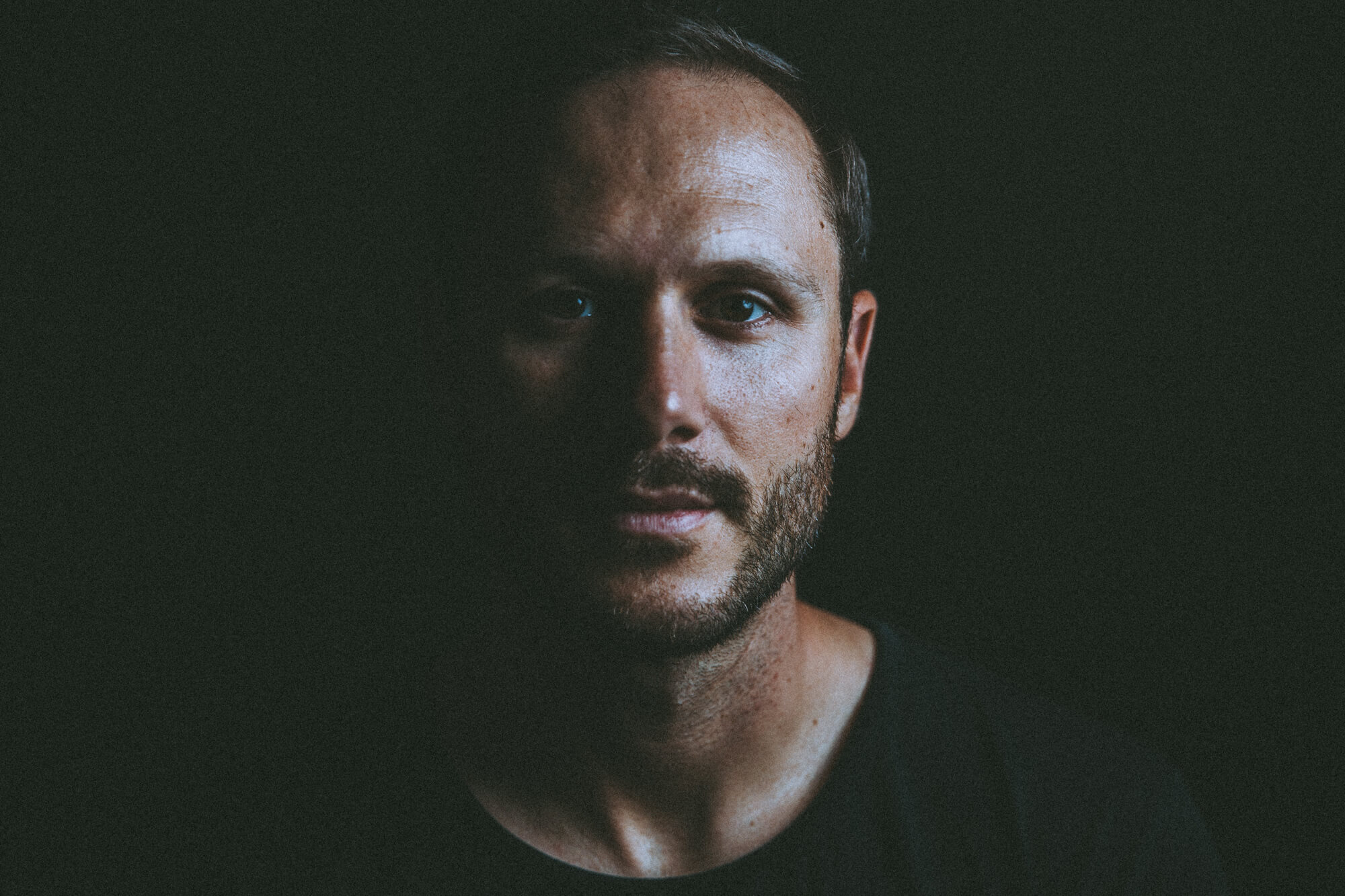
Connor Beaton leads men into their shadows. Not the surface-level masculinity work. Not the “alpha male” performance. Not the toxic patterns disguised as strength. Shadow work. Carl Jung. Integration. The parts men hide. The parts they fear. The parts that control them when unexamined. His brand needed to reflect that depth. That willingness to look […]

You keep rebuilding. New brand, new colors, new photos, new messaging, new positioning, new website, new everything. Every six months, every year, every time it feels wrong and stops working. Hoping this time fixes it, this time solves it, this time creates the authority and positioning you need. It doesn’t. It never does. Because you’re […]

You know things. Real things. Earned through years of experience. Patterns most people miss. Insights that could transform how your audience operates. But nobody knows you know them. You’re the hidden expert. Competent. Skilled. Valuable. Invisible. The shift from hidden expert to recognized authority doesn’t start where most people think. Not with better marketing. Not […]

Devotion isn’t soft. It’s the hardest thing you’ll ever practice. Most people think devotion means passion. Excitement. The feeling you get when inspiration strikes and everything flows. That’s not devotion. That’s infatuation. Devotion is showing up when inspiration is gone. When the work feels mechanical. When no one is watching and there’s no immediate reward. […]

You redesign your logo for the third time. Still doesn’t feel right. You hire another designer. Try different colors. New fonts. Different aesthetic entirely. Still wrong. So you conclude: “I just need better branding.” But the crisis isn’t your logo. It’s not your color palette. It’s not your website design. The crisis is deeper. You […]

About the Blogger
I was born in a low middle class conservative religious family in the suburbs of Seattle. Art was and always has been my passion, and more than that a way of life. Starting as a graphic designer, I taught myself photography, built a commercial/editorial business shooting for the worlds biggest brands like Nike, Coca-Cola, Adidas and more. I've also had the opportunity to photograph the world's biggest celebrities like Justin Bieber, Usher, Jessica Alba and more. I've curated a lifestyle around creativity and have learned a lot along the way which I get to share here.
I was born in a low middle class conservative religious family in the suburbs of Seattle. Art was and always has been my passion, and more than that a way of life. Starting as a graphic designer, I taught myself photography, built a commercial/editorial business shooting for the worlds biggest brands like Nike, Coca-Cola, Adidas and more. I've also had the opportunity to photograph the world's biggest celebrities like Justin Bieber, Usher, Jessica Alba and more. I've curated a lifestyle around creativity and have learned a lot along the way which I get to share here.
