


Your “Default” is what you shoot, what you default to when you’re under the pressure to perform. It’s your natural “go to” when you’re in the moment, and maybe things aren’t going completely right, or things you were expecting didn’t come through. Your default is your muscle memory, and the result of how you’ve conditioned yourself to the maximum capacity of your creative capabilities. This default is WHAT you show in your portfolio. I’ve heard it said many times, you are only as good as your WORST image. Your portfolio is who you are in the game of photography. It shows what you shoot, how you shoot it, and how good you are while you’re shooting. When Art Buyers, Art Directors, and Photo Editors look at your book, they can see everything about you. They see the production value of your work, the elements you choose which conveys your tastes, they see how you direct and interact with your subjects, etc. They can read everything by looking at the images in your book.
The more you are shooting and pushing yourself on your own time, the more you are expanding your creative default. SEEING is what photography is all about. I am constantly pushing myself to see more, and that seeing more comes through starting in the production stages. How can I choose better elements to infuse into my images? Locations? Props? Models? Styling? How can I refine my taste to convey a better quality image?
Expanding your default can also translate into the realm of WHAT you shoot while still living under your creative vision and style. That is something that I am working on in my own vision. How can I diversify the content of what I’m shooting, or the style of lighting, while staying under the umbrella of MY style? How am I pushing myself to see better and more unique compositions, and better direct my subjects to add to my default? These are all things that become innate and subconscious. It’s like exercising your muscle memory to better help you problem solve and perform under the pressure of a real job without having to stress about them.
This is why art is a process, a process of learning to see. That’s why as much as we look through magazines and think “oh I could have shot that”, more than likely unless our portfolios contain that level of imagery that we are “think we could have shot”, we can’t. I remember so many times thinking that over the last few years, and now looking back I laugh because at that stage in my creative potential/default there’s no way I could have. In the same respect I look at certain images now and think the same thing, but in reality until I actually do it, I’m not there yet.
All this said, what are you doing to push your creative capabilities and expand your default?


LET'S CONSPIRE & CREATE
CULTIVATING YOUR VISUAL UNIQUENESS AND STREAMLINING YOUR BRAND'S EVOLUTION

Your “Default” is what you shoot, what you default to when you’re under the pressure to perform. It’s your natural “go to” when you’re in the moment, and maybe things aren’t going completely right, or things you were expecting didn’t come through. Your default is your muscle memory, and the result of how you’ve conditioned yourself to the maximum capacity of your creative capabilities. This default is WHAT you show in your portfolio. I’ve heard it said many times, you are only as good as your WORST image. Your portfolio is who you are in the game of photography. It shows what you shoot, how you shoot it, and how good you are while you’re shooting. When Art Buyers, Art Directors, and Photo Editors look at your book, they can see everything about you. They see the production value of your work, the elements you choose which conveys your tastes, they see how you direct and interact with your subjects, etc. They can read everything by looking at the images in your book.
The more you are shooting and pushing yourself on your own time, the more you are expanding your creative default. SEEING is what photography is all about. I am constantly pushing myself to see more, and that seeing more comes through starting in the production stages. How can I choose better elements to infuse into my images? Locations? Props? Models? Styling? How can I refine my taste to convey a better quality image?
Expanding your default can also translate into the realm of WHAT you shoot while still living under your creative vision and style. That is something that I am working on in my own vision. How can I diversify the content of what I’m shooting, or the style of lighting, while staying under the umbrella of MY style? How am I pushing myself to see better and more unique compositions, and better direct my subjects to add to my default? These are all things that become innate and subconscious. It’s like exercising your muscle memory to better help you problem solve and perform under the pressure of a real job without having to stress about them.
This is why art is a process, a process of learning to see. That’s why as much as we look through magazines and think “oh I could have shot that”, more than likely unless our portfolios contain that level of imagery that we are “think we could have shot”, we can’t. I remember so many times thinking that over the last few years, and now looking back I laugh because at that stage in my creative potential/default there’s no way I could have. In the same respect I look at certain images now and think the same thing, but in reality until I actually do it, I’m not there yet.
All this said, what are you doing to push your creative capabilities and expand your default?

4/28/14
Expanding your default
infuse your vision with a fresh breath of creativity and vitality
BOOK A BRAND PHOTOSHOOT


GET THE DETAILS
GET THE DETAILS
infuse your vision with a fresh breath of creativity and vitality

PODCAST
BRAND INTELLIGENCE
CREATIVE INTELLIGENCE
LIFE INTELLIGENCE

masterfully aligning perception and reality through personal branding
masterfully aligning perception and reality through personal branding
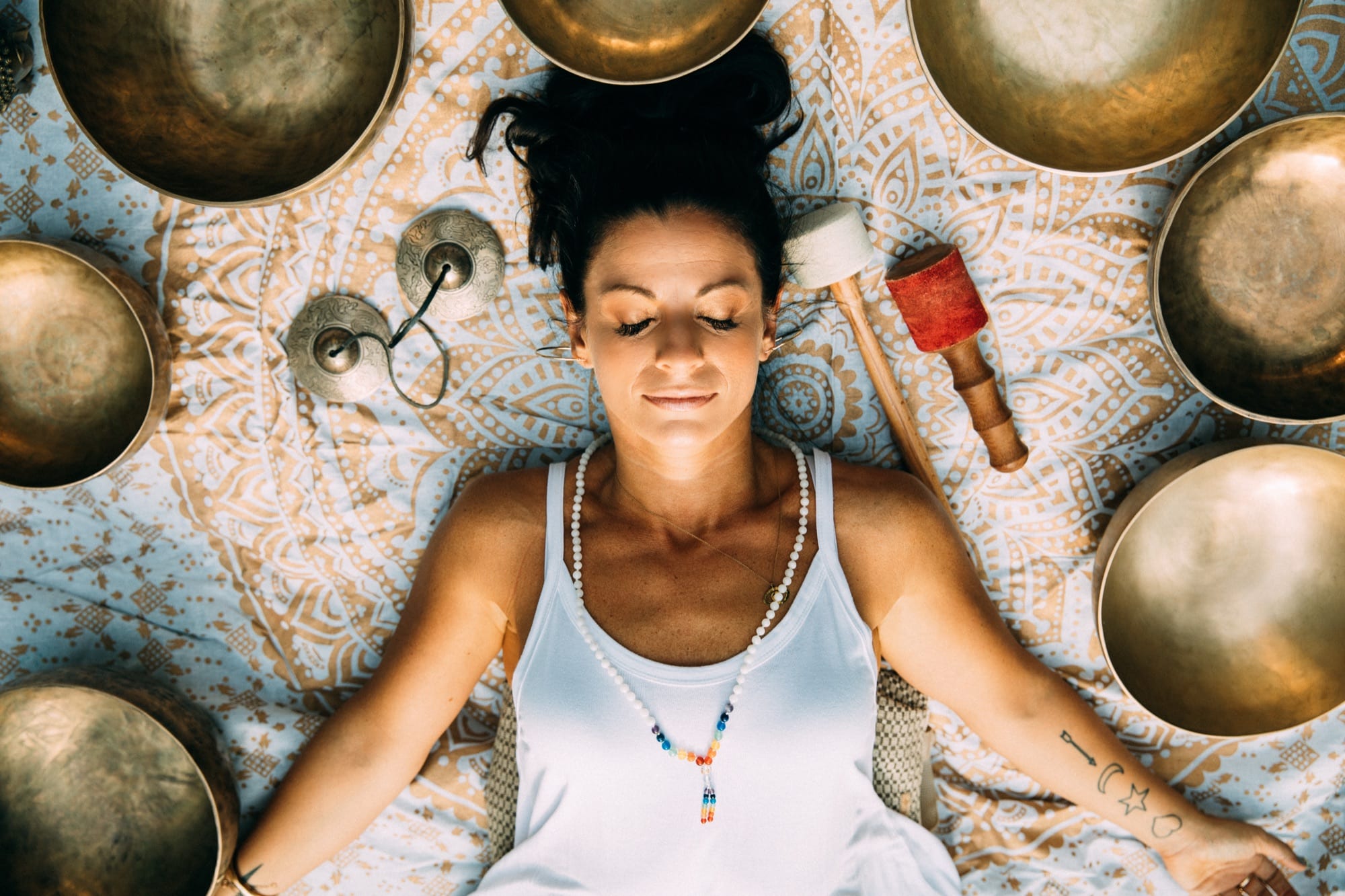

Your “Default” is what you shoot, what you default to when you’re under the pressure to perform. It’s your natural “go to” when you’re in the moment, and maybe things aren’t going completely right, or things you were expecting didn’t come through. Your default is your muscle memory, and the result of how you’ve conditioned yourself to the maximum capacity of your creative capabilities. This default is WHAT you show in your portfolio. I’ve heard it said many times, you are only as good as your WORST image. Your portfolio is who you are in the game of photography. It shows what you shoot, how you shoot it, and how good you are while you’re shooting. When Art Buyers, Art Directors, and Photo Editors look at your book, they can see everything about you. They see the production value of your work, the elements you choose which conveys your tastes, they see how you direct and interact with your subjects, etc. They can read everything by looking at the images in your book.
The more you are shooting and pushing yourself on your own time, the more you are expanding your creative default. SEEING is what photography is all about. I am constantly pushing myself to see more, and that seeing more comes through starting in the production stages. How can I choose better elements to infuse into my images? Locations? Props? Models? Styling? How can I refine my taste to convey a better quality image?
Expanding your default can also translate into the realm of WHAT you shoot while still living under your creative vision and style. That is something that I am working on in my own vision. How can I diversify the content of what I’m shooting, or the style of lighting, while staying under the umbrella of MY style? How am I pushing myself to see better and more unique compositions, and better direct my subjects to add to my default? These are all things that become innate and subconscious. It’s like exercising your muscle memory to better help you problem solve and perform under the pressure of a real job without having to stress about them.
This is why art is a process, a process of learning to see. That’s why as much as we look through magazines and think “oh I could have shot that”, more than likely unless our portfolios contain that level of imagery that we are “think we could have shot”, we can’t. I remember so many times thinking that over the last few years, and now looking back I laugh because at that stage in my creative potential/default there’s no way I could have. In the same respect I look at certain images now and think the same thing, but in reality until I actually do it, I’m not there yet.
All this said, what are you doing to push your creative capabilities and expand your default?
4/28/14
Expanding your default
When you need a trusted creative partner in the room.
Take the Fit Check
Be seen at the level you’re stepping into.

Hey! I'm Nick.
PHOTOGRAPHER
BRAND ALCHEMIST
TEACHER
At vero eos et accusamus et iusto odio dignissimos ducimus qui blanditiis praesentium voluptatum deleniti atque corrupti quos dolores et quas molestias excepturi sint occaecati cupiditate non provident, similique sunt in culpa qui officia deserunt mollitia.
Build authority from the inside out.
Emanate is a creative-direction-led photography experience for entrepreneurs, speakers, and thought leaders in a moment of expansion. This isn’t about better photos. It’s about aligning how you’re seen with who you’ve become. For seasons of rebrand, visibility, and next-level leadership.

Magnetic Authority is a self-guided container for people who feel visible, but not fully anchored.
If your message keeps shifting, your brand feels inconsistent, or your presence doesn’t match your capability yet. This is where you build the foundation before you scale.
Take the Fit Check
Start Here
For founders, creatives, and leaders who want a trusted long-term partner. This isn’t coaching or traditional consulting.
It’s an ongoing creative partnership focused on bringing your personal brand identity to life.
Your brand. Your website. Your visuals.
All shaped as a direct extension of who you are. The work also includes a bespoke process of identifying and aligning the right experts when needed, so nothing gets built out of sync with your core.
Explore the Partnership

Quiet. Precise. Highly Selective.
read the latest
The Brand Intelligence Engine is an AI personal brand system that builds the complete infrastructure of a premium brand in three phases. Here’s exactly what happens inside, what it produces, and who it’s built for.
Your content strategy is not working because the problem isn’t content. It’s what’s underneath it. When your brand lacks identity and visual translation, posting more just amplifies incoherence. Here’s the trap and how to escape it.
This personal brand audit takes two minutes and reveals exactly where your brand is broken. Four questions, one for each layer of brand intelligence. Most people fail at least two. Here’s the diagnostic.
Your personal brand identity is not you. It’s a translation of you. When you confuse the two, you either freeze up or perform. Neither builds authority. Here’s the distinction that changes how you show up online.
The biggest personal brand photography investment mistake isn’t underspending on photos. It’s investing $50,000 in coaching, ads, and masterminds while spending $500 on visual identity. Here’s what that costs you and how to fix the order.
I spent 20 years photographing personal brands. I watched brilliant people stay invisible because they skipped the layers nobody talks about. So I built the Brand Intelligence Engine to fix it. Here’s the full story.
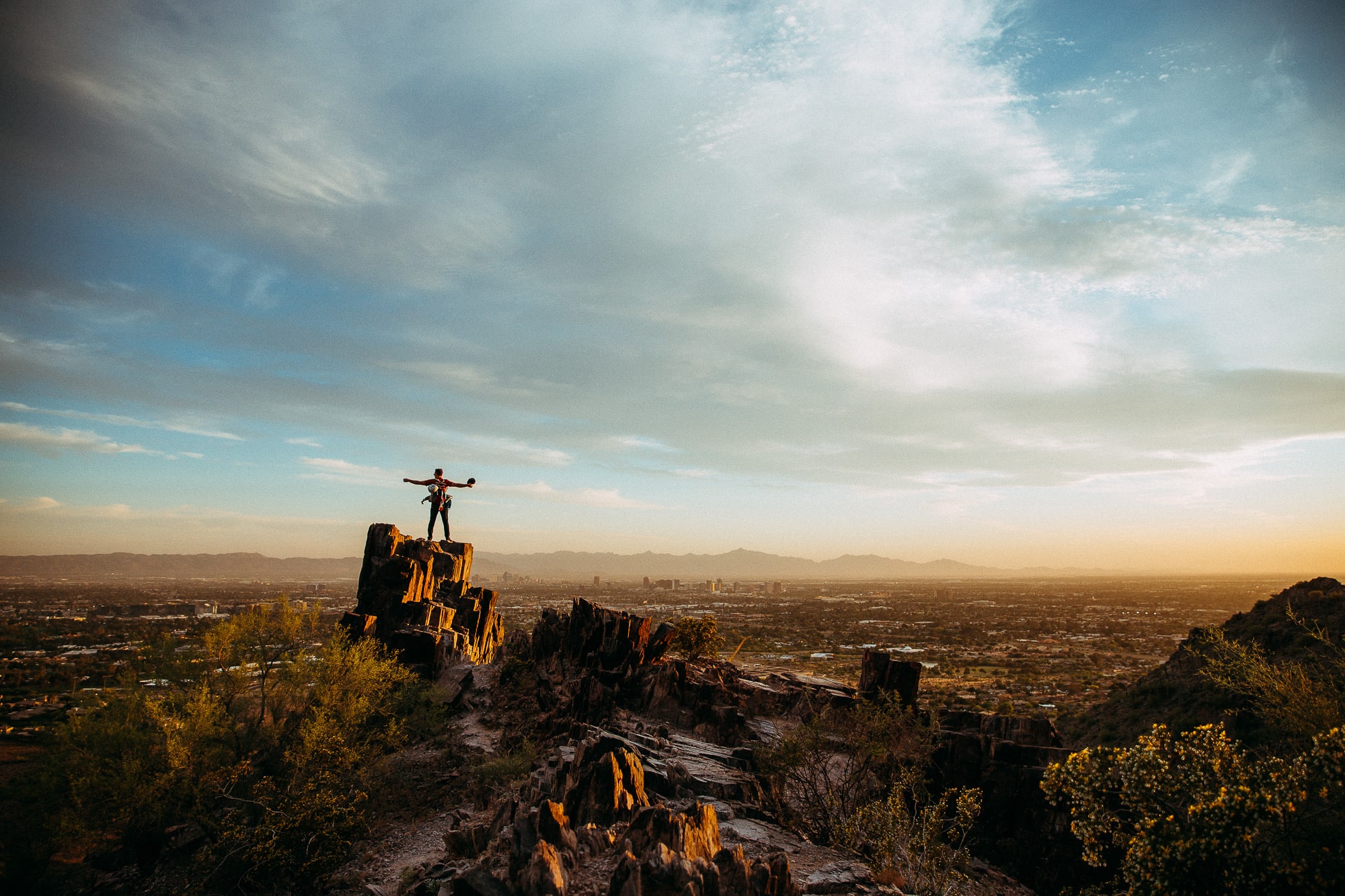
Your AI content sounds generic because the AI doesn’t know who you are. It’s not a tool problem. It’s an input problem. Without your identity, voice, and brand intelligence loaded, every AI produces the same bland output. Here’s how to fix it.
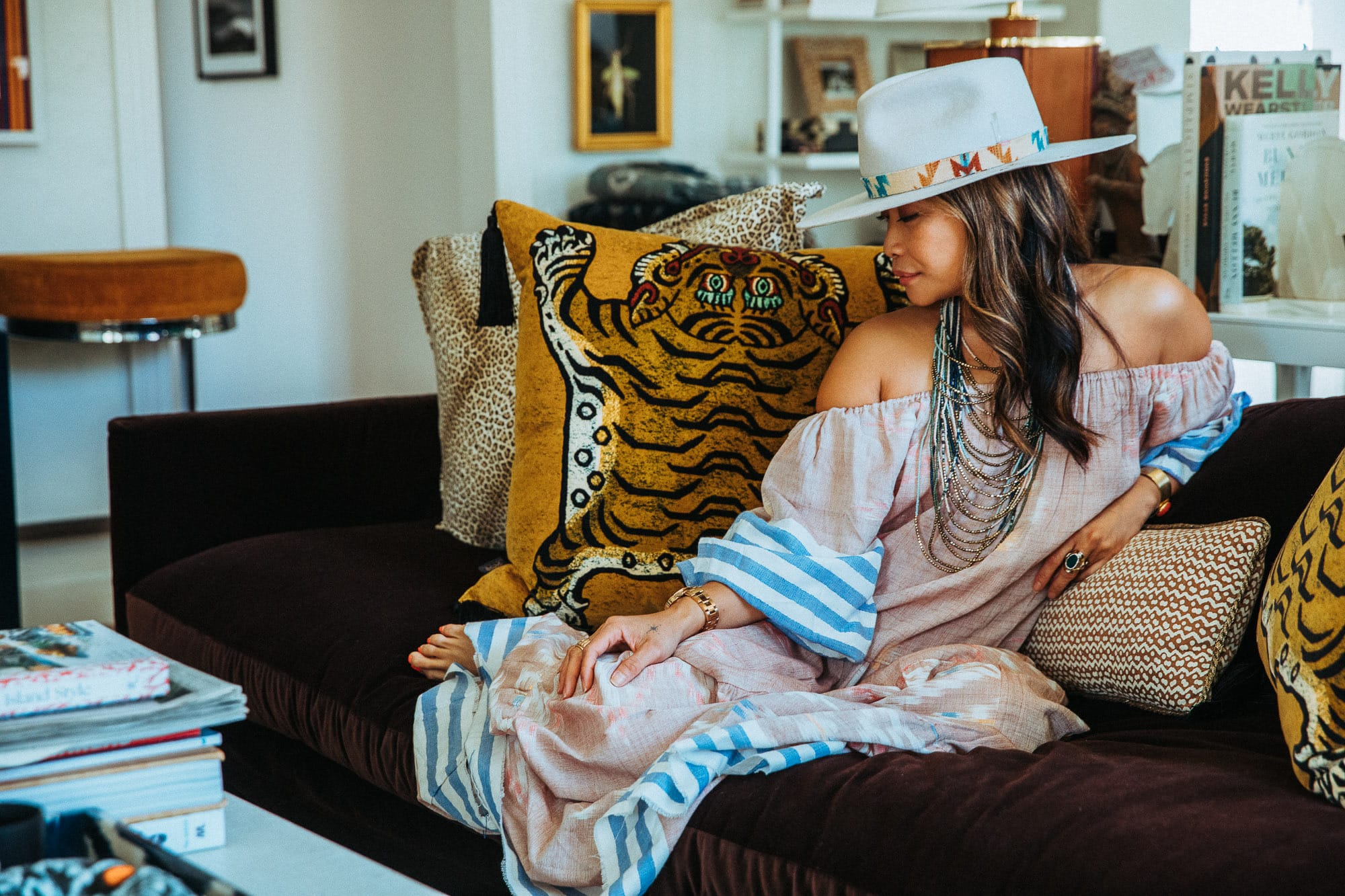
Creativity as intelligence is the idea that creative work isn’t about expressing who you already are. It’s about constructing who you’re becoming. Most people treat creativity as output. It’s actually architecture. Here’s why that changes everything.
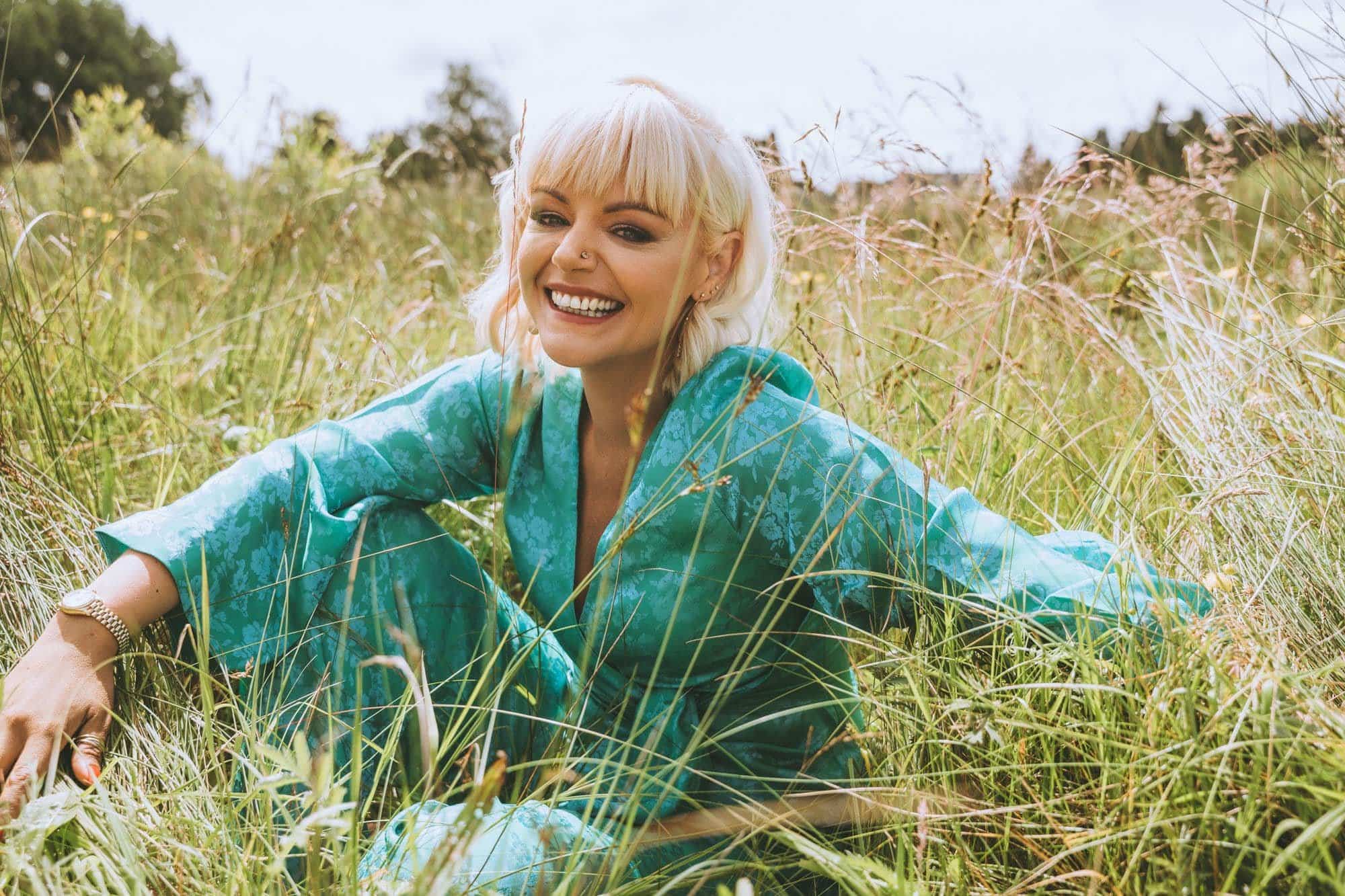
The personal brand identity gap is the distance between your expertise and your visibility. When who you are doesn’t match how you’re seen online, it’s not a marketing problem. It’s a coherence problem. Here’s how to close it.
Most personal brands skip visual translation entirely. They jump from identity straight to content. But brand identity before website, before content, before the sales page is the order that actually works. Here’s the layer you’re missing.
Most personal brand strategy frameworks skip the foundation. Brand intelligence is built in four layers: Identity, Visual Translation, Content, and Business. Here’s why starting at layer three is the reason your brand feels off.
Your personal brand feels off but you can’t explain why. It’s not your logo or colors. It’s a coherence problem, a structural gap between who you are and how you’re seen. Here’s what to do.
Authority isn’t binary. You’re not either an authority or not an authority. Authority exists in levels, stages, and progressions. Each level has distinct characteristics, distinct positioning, distinct challenges, and distinct requirements for advancement. Most people get stuck at Level One. They’re visible, active, creating content, showing up regularly. But they’re not building actual authority. They’re […]

About the Blogger
I was born in a low middle class conservative religious family in the suburbs of Seattle. Art was and always has been my passion, and more than that a way of life. Starting as a graphic designer, I taught myself photography, built a commercial/editorial business shooting for the worlds biggest brands like Nike, Coca-Cola, Adidas and more. I've also had the opportunity to photograph the world's biggest celebrities like Justin Bieber, Usher, Jessica Alba and more. I've curated a lifestyle around creativity and have learned a lot along the way which I get to share here.
I was born in a low middle class conservative religious family in the suburbs of Seattle. Art was and always has been my passion, and more than that a way of life. Starting as a graphic designer, I taught myself photography, built a commercial/editorial business shooting for the worlds biggest brands like Nike, Coca-Cola, Adidas and more. I've also had the opportunity to photograph the world's biggest celebrities like Justin Bieber, Usher, Jessica Alba and more. I've curated a lifestyle around creativity and have learned a lot along the way which I get to share here.
